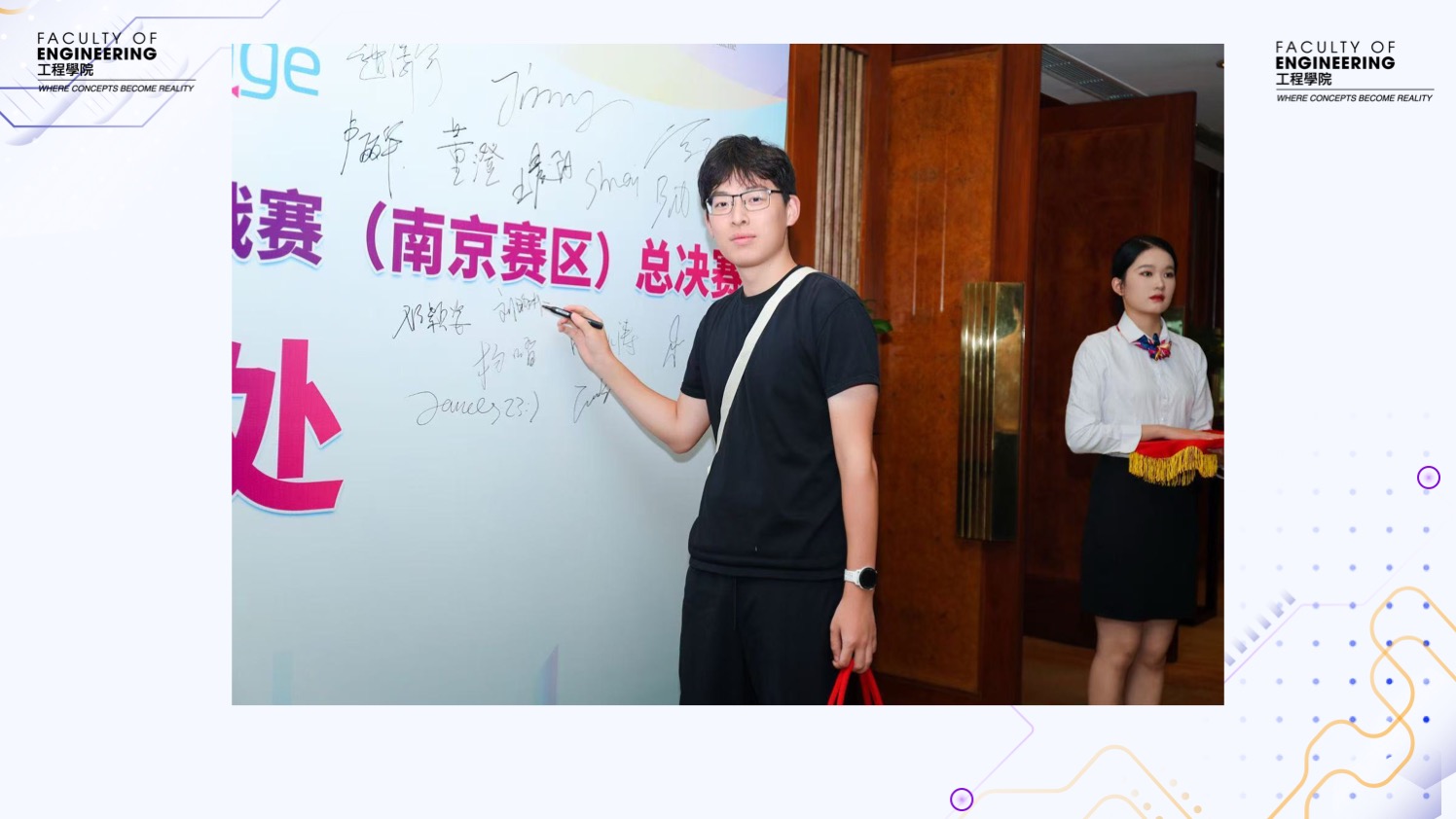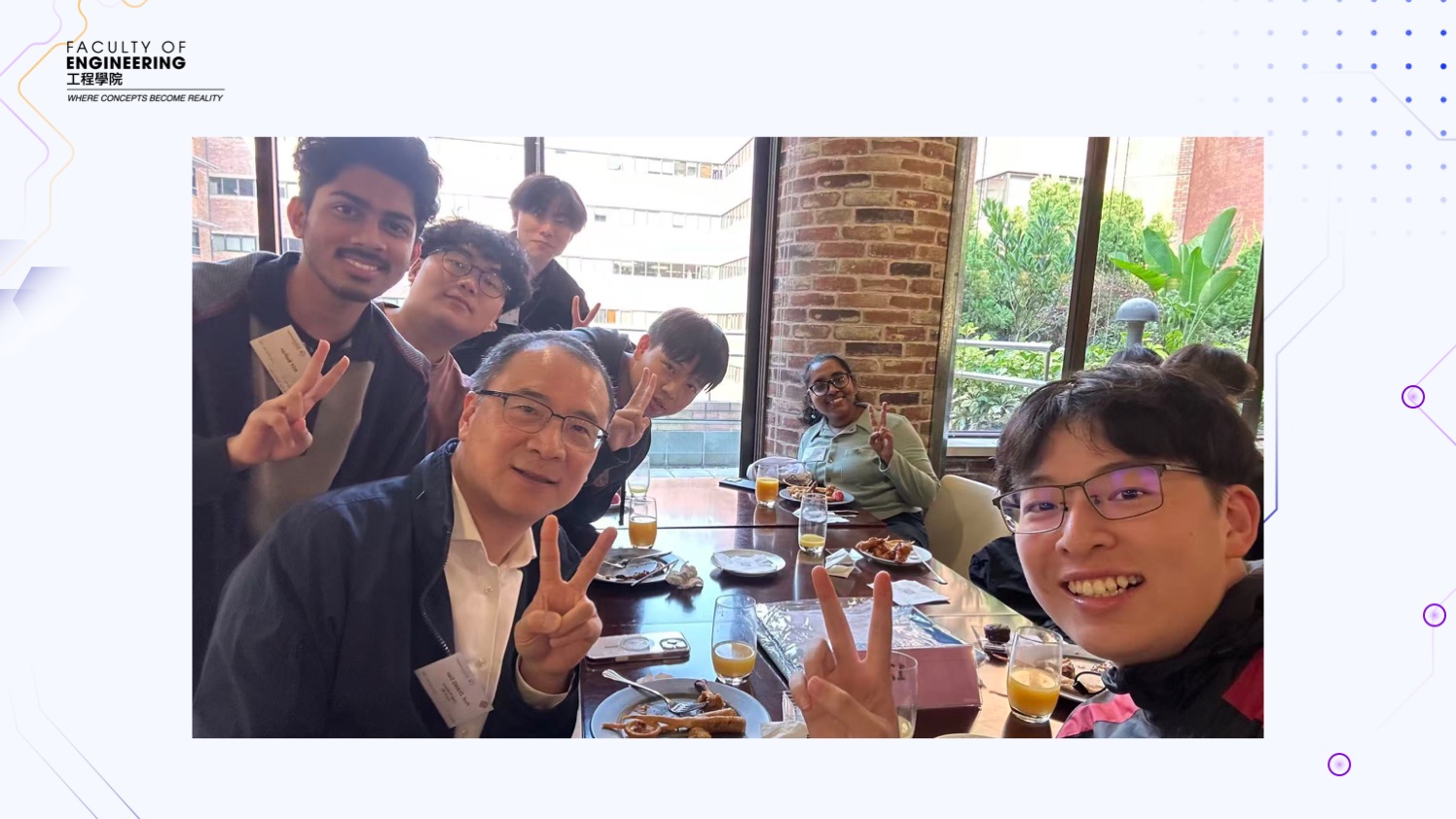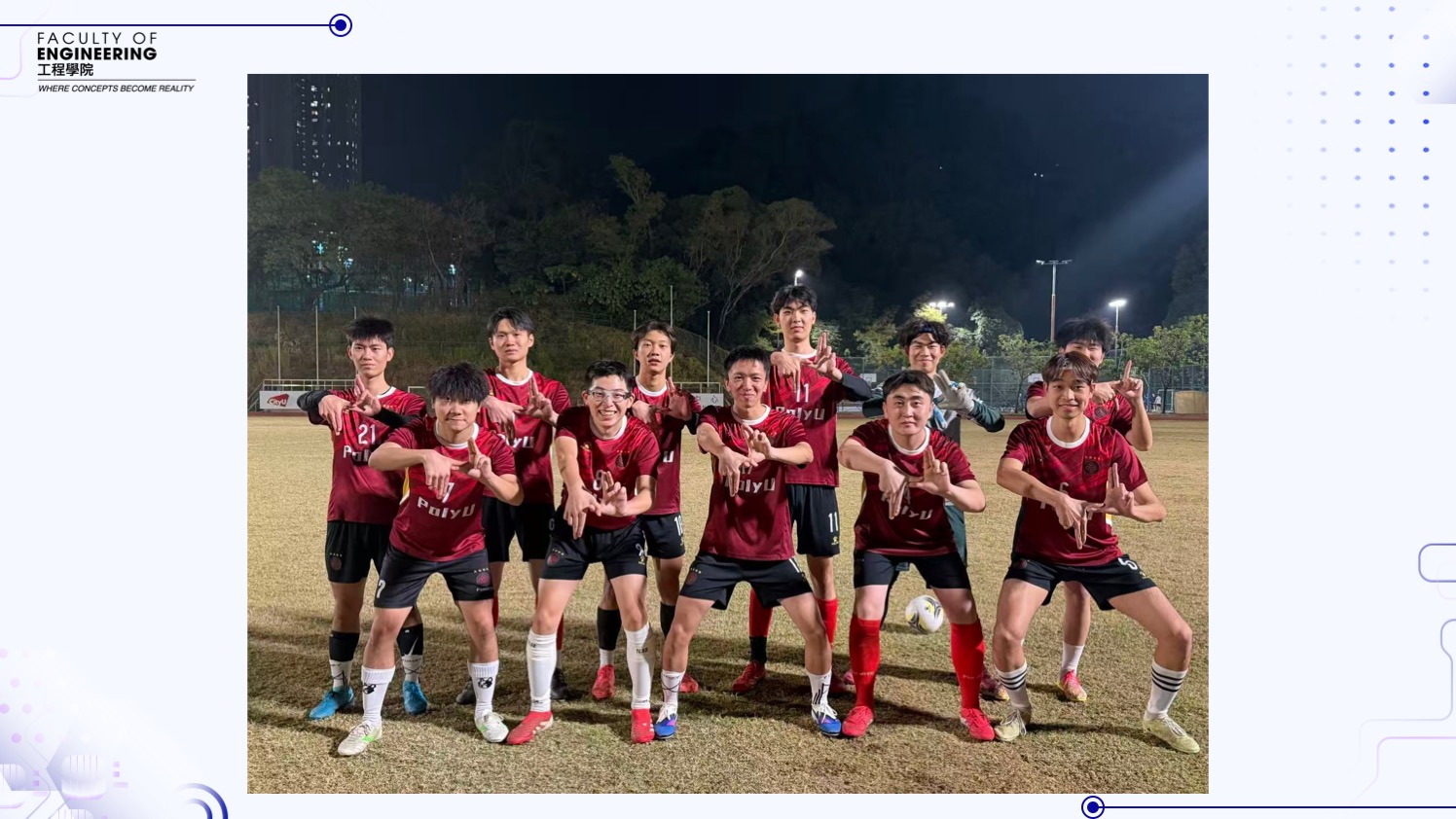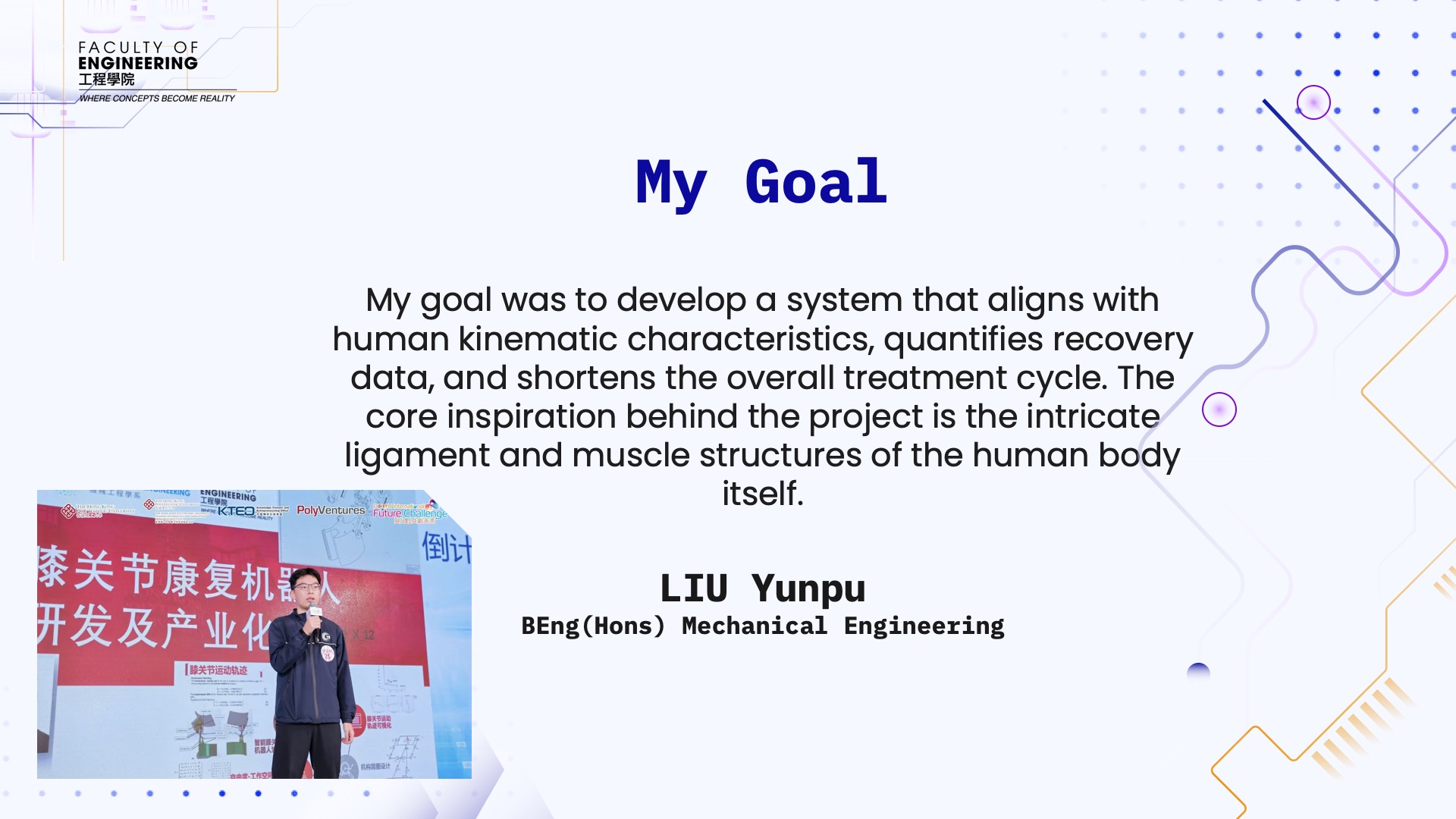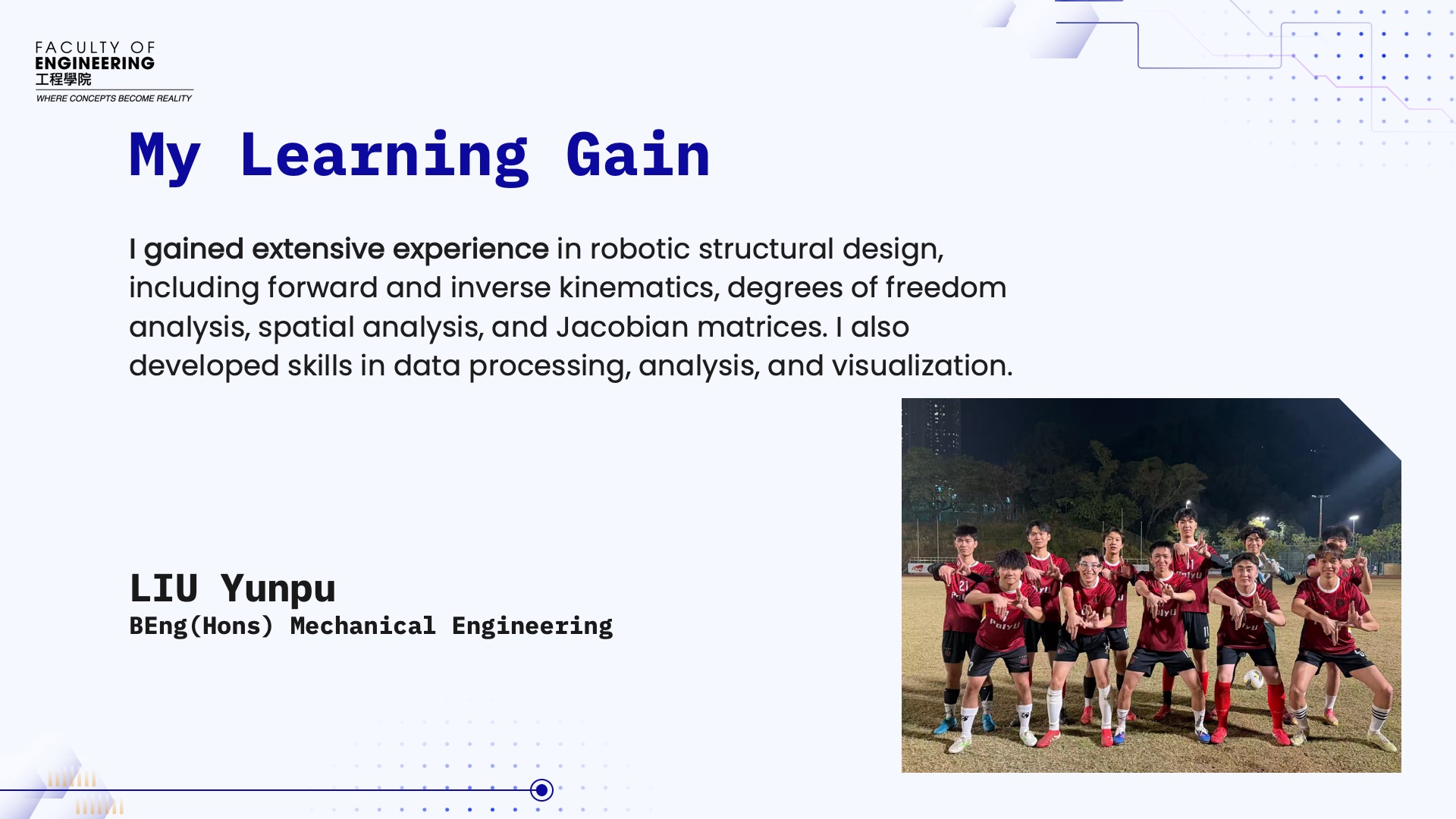



Driven by his love for football, LIU Yunpu developed an exoskeleton to aid ligament rehabilitation after surgery. The system’s flexible design mirrors human joint movement, offering customized recovery. Designing the structure was a major challenge, requiring advanced robotics and mathematics beyond typical undergraduate study.
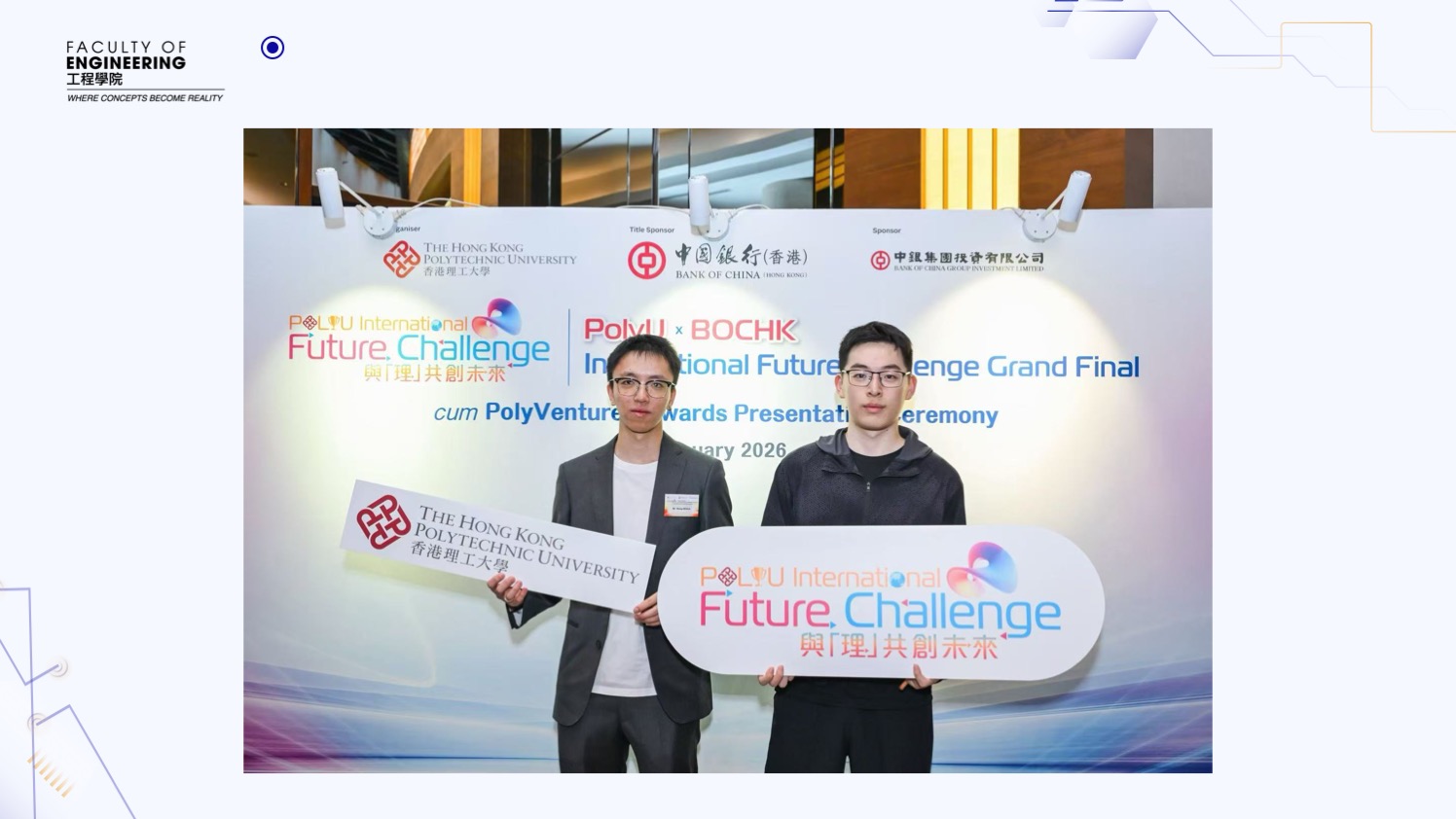
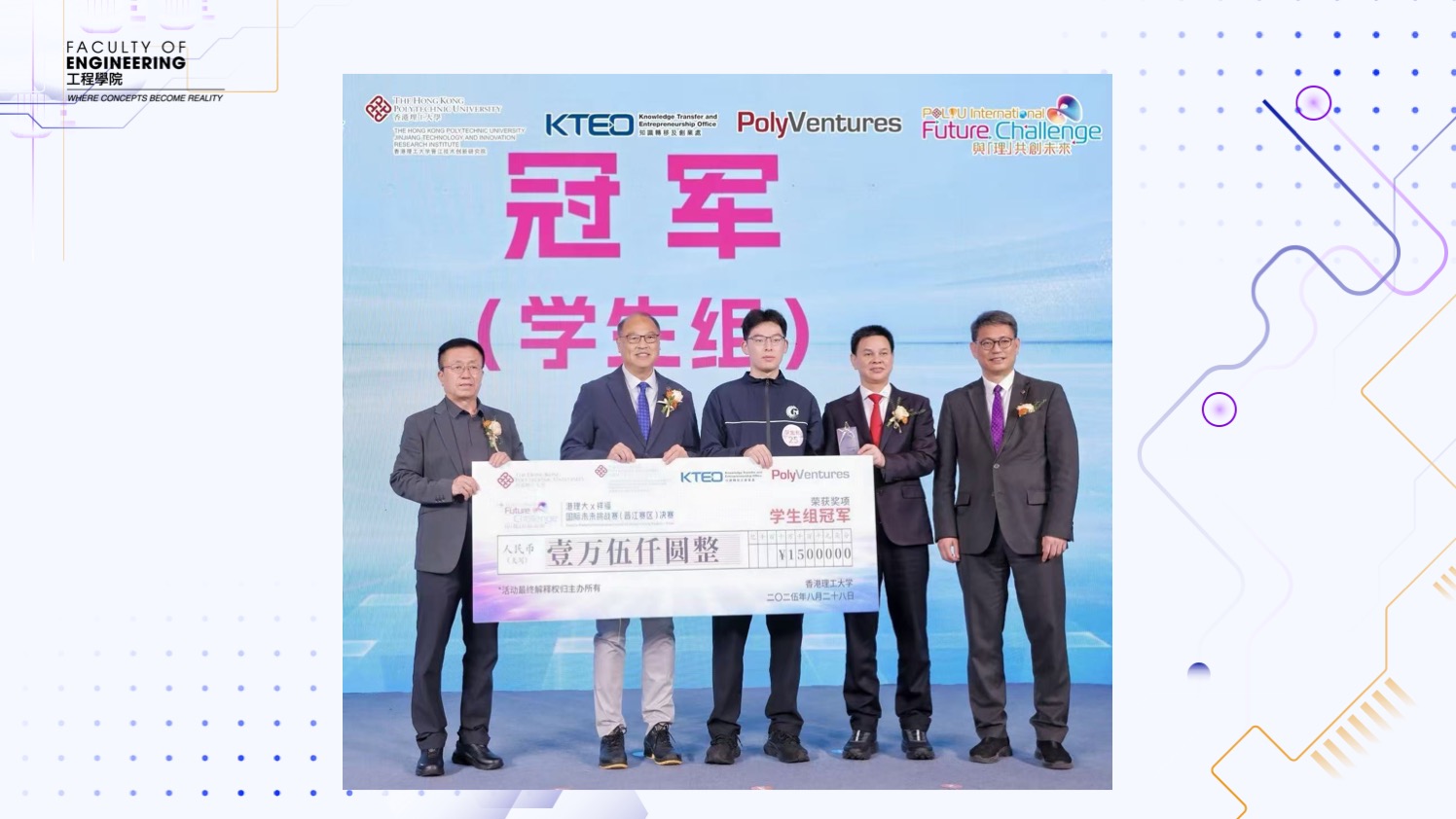
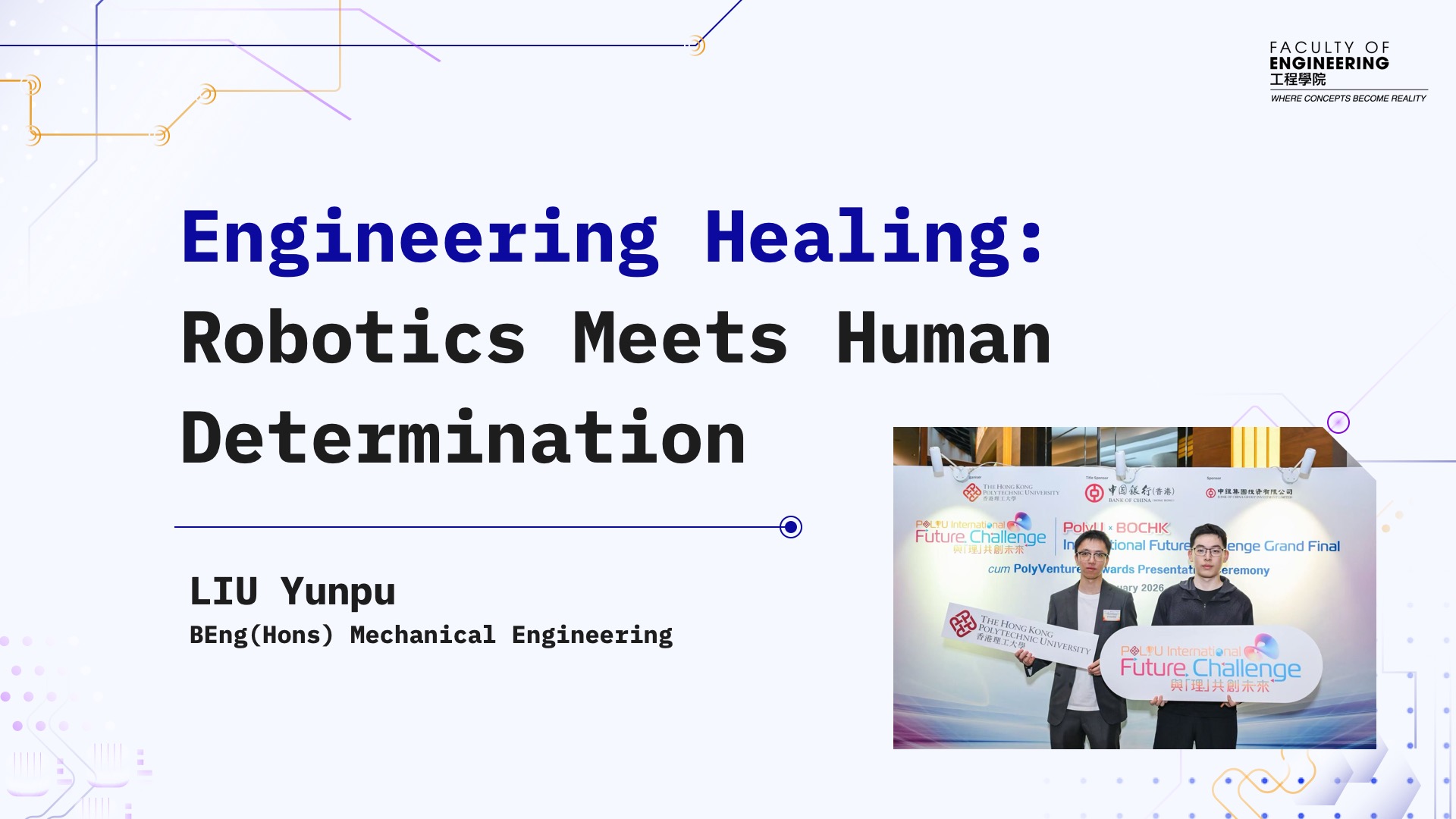
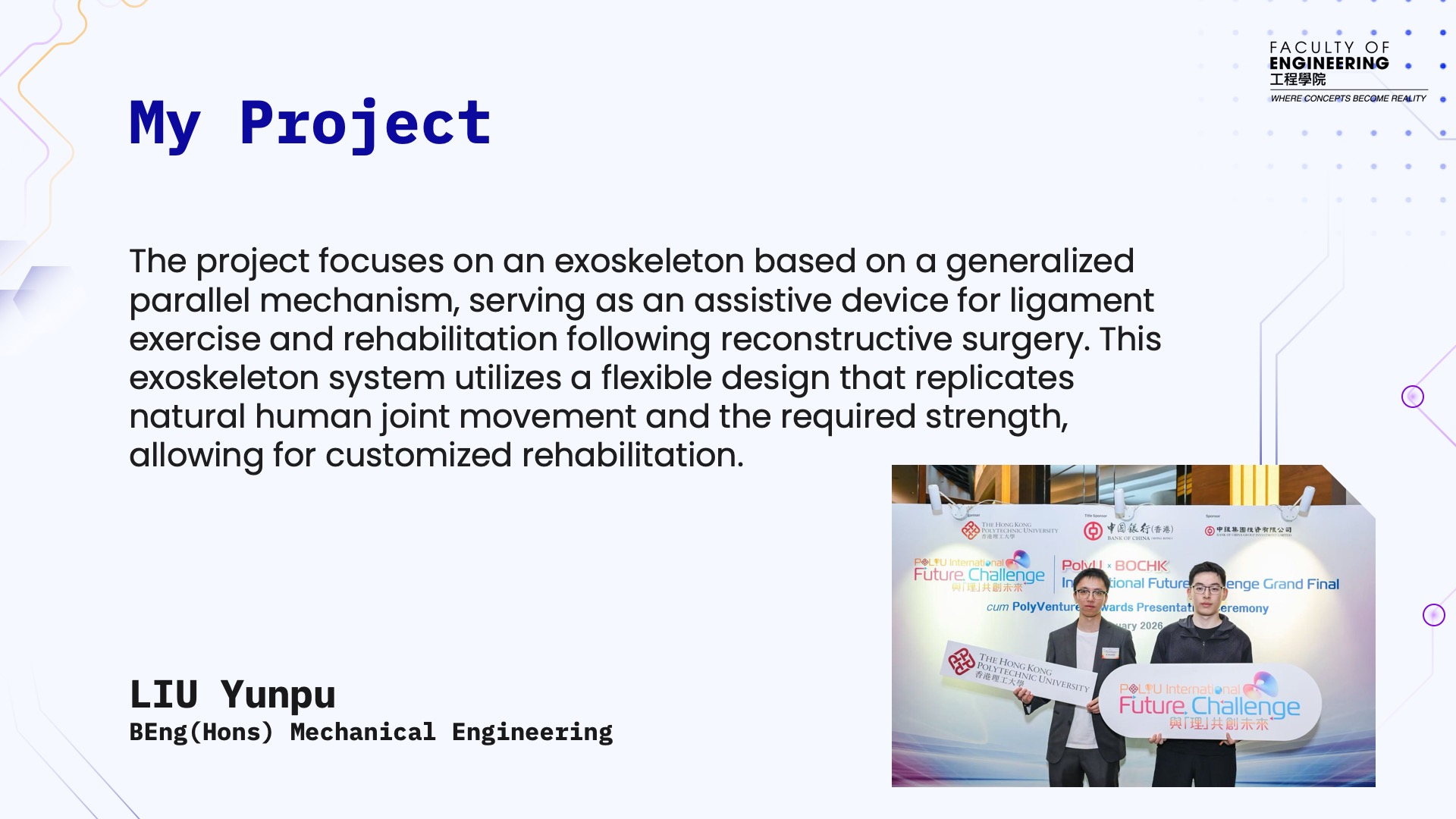
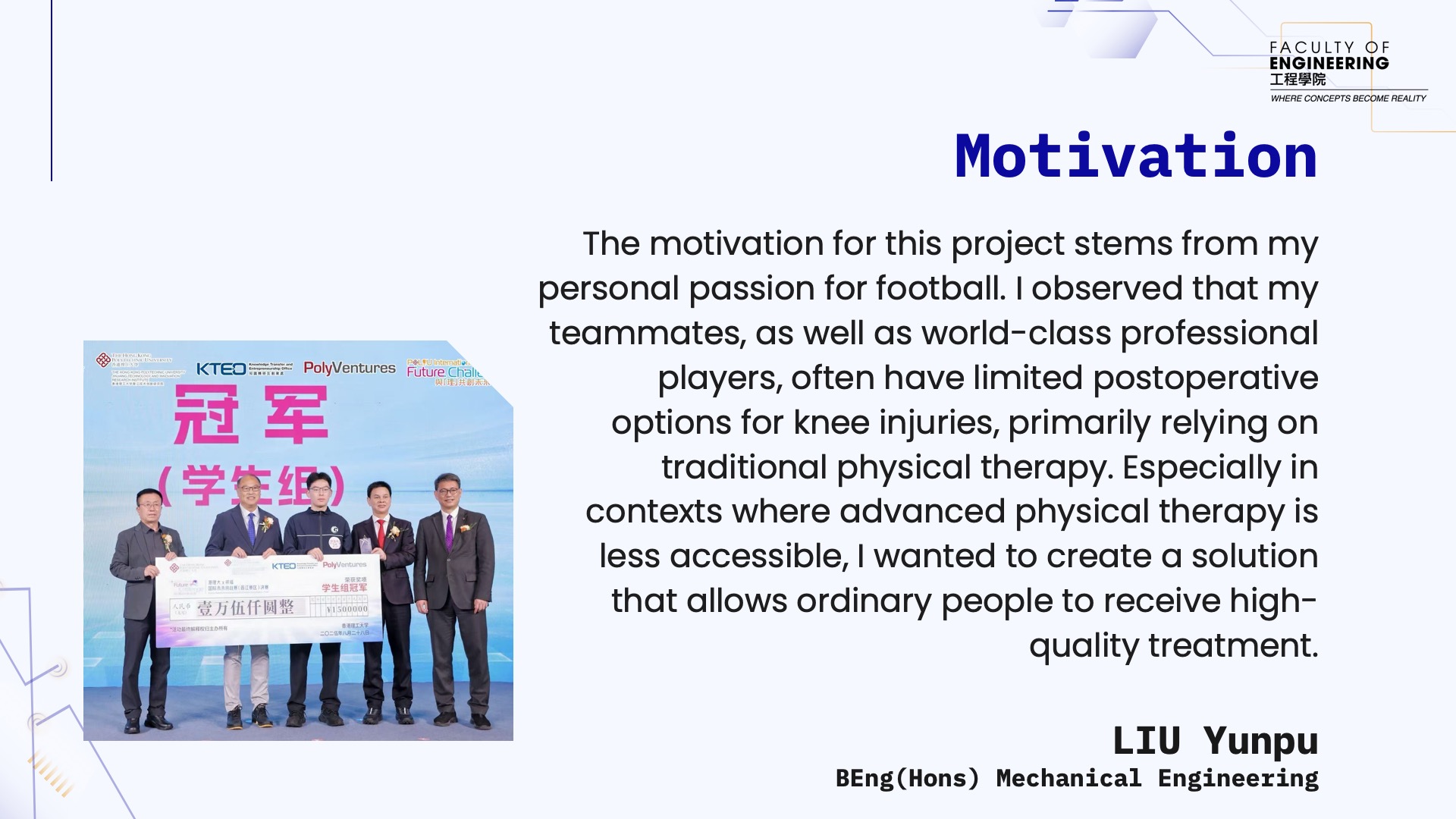
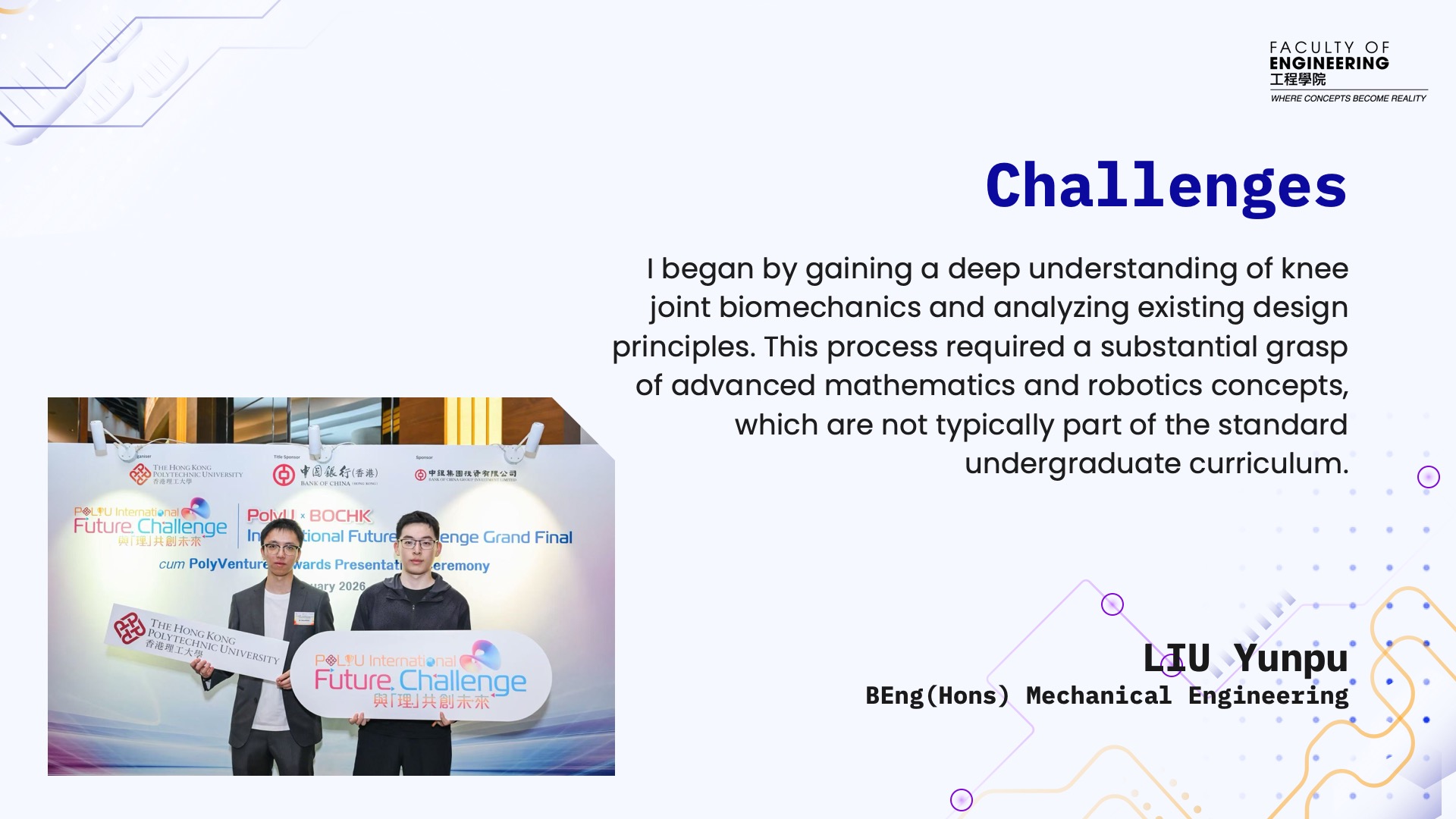
Yunpu sought guidance from mentors and peers, learning kinematic analysis and troubleshooting complex problems. His persistence paid off when the project won the Champion title at the PolyU International Future Challenge. Along the way, he gained expertise in robotic structural design, data visualization, and systematic planning. Most importantly, Yunpu learned resilience and discipline, proving that determination and collaboration can transform personal passion into impactful innovation for rehabilitation.
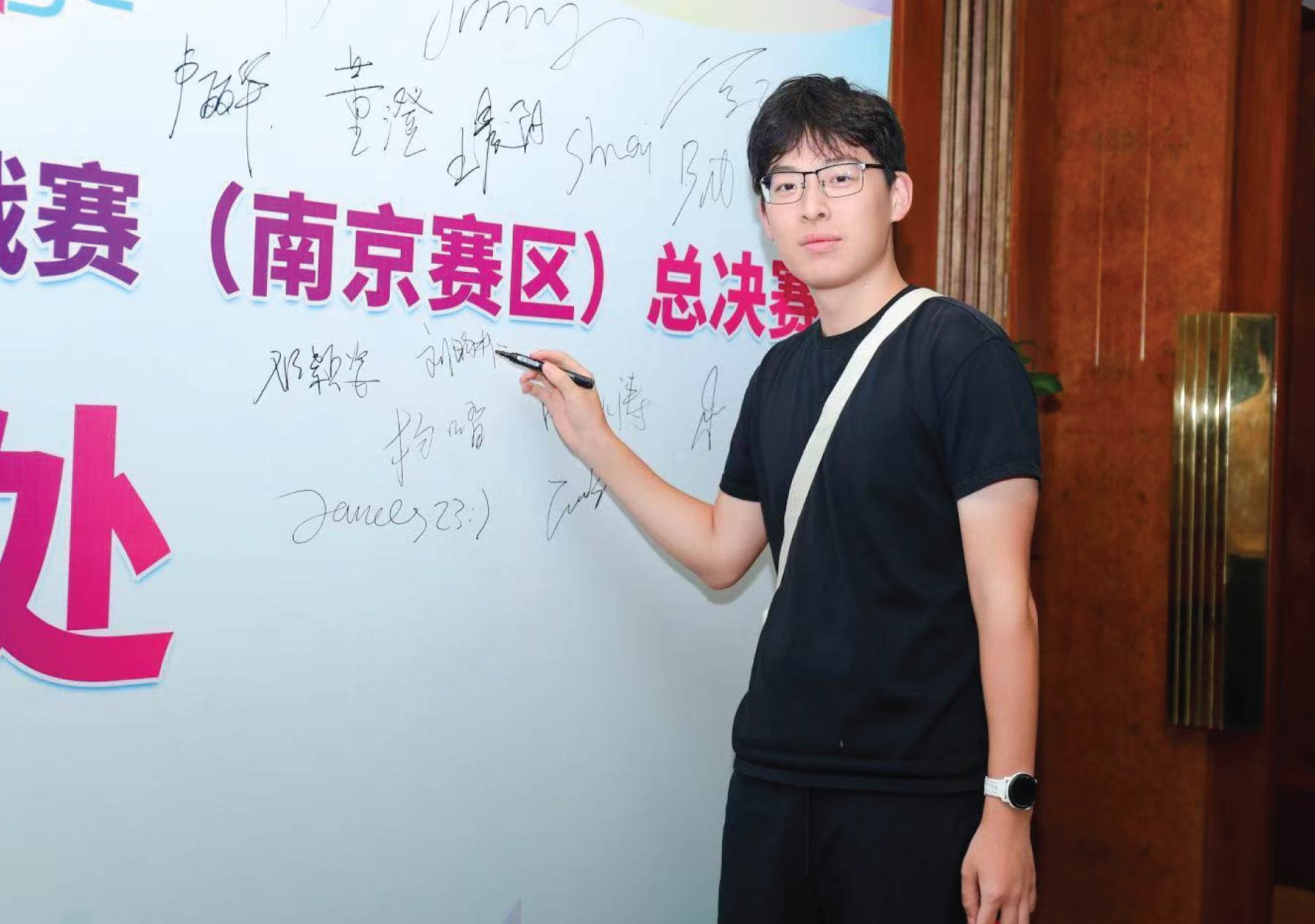
Mr. LIU Yunpu
Department of Mechanical Engineering
Faculty of Engineering
Parallel mechanisms consist of a moving platform connected to a fixed base by multiple independent kinematic chains (limbs). Unlike serial robots (such as standard robotic arms), parallel mechanisms offer superior structural stiffness, high payload-to-weight ratios, lower inertia, and precise load distribution. In spatial mechanism design, configuring these closed-loop linkages requires complex geometric modeling to control multi-axis forces.
Yunpu chose a "generalized parallel mechanism" as the core structure for his lower-limb rehabilitation exoskeleton. By utilizing a closed-loop configuration with three general limbs, the mechanism is structurally capable of distributing specific, high-fidelity forces across three major muscle groups of the leg: the quadriceps, hamstrings, and adductors. This high mechanical rigidity and precision are vital when dealing with vulnerable postoperative knee ligaments.
Kinematics is the study of motion without regard to the forces that cause it. Forward Kinematics (FK) calculates the spatial position and orientation of the end-effector (or moving platform) given the active joint displacements. Conversely, Inverse Kinematics (IK) calculates the required joint or actuator displacements to achieve a desired spatial position. For parallel robots, IK is typically straightforward, whereas FK is highly non-linear and mathematically complex, often requiring numerical solver methods.
To program the exoskeleton to safely guide a patient’s leg, Yunpu had to master forward and inverse kinematics. These mathematical frameworks allowed the system to translate desired rehabilitation path trajectories (IK) into precise actuator lengths for the three limbs, while simultaneously calculating the exact real-time orientation of the patient's leg (FK) to "quantify recovery data" and monitor progress.
Degree of Freedom (DoF) analysis determines the number of independent inputs or coordinates required to uniquely define the configuration of a mechanical system. For spatial parallel mechanisms, this is mathematically evaluated using structural formulas such as the Chebyshev-Grübler-Kutzbach criterion. Analyzing spatial constraints is critical to ensure that a mechanism is neither over-constrained (which leads to physical binding and actuator damage) nor under-constrained (which leads to unstable, uncontrollable movement).
The human knee is not a simple, single-axis hinge; it exhibits a complex, multi-axial spatial rolling and sliding motion. Yunpu conducted rigorous DoF and spatial analysis to design a structure that aligns with "human kinematic characteristics." This engineering analysis ensured that the exoskeleton perfectly mirrored the knee’s natural, complex pathways without over-constraining the joint, avoiding harmful mechanical strain on the patient's reconstructed ligaments.
The Jacobian matrix is a fundamental operator in robotics. In differential kinematics, it maps the velocities of the joint space to the velocities of the end-effector in Cartesian space. Crucially, through the principle of virtual work, the transpose of the Jacobian matrix also maps the joint forces/torques to the output forces exerted by the mechanism. Additionally, Jacobian analysis is essential for identifying "singularities"—critical configurations where a mechanism can lose control, locking up or exerting infinite force.
To safely provide targeted resistive or assistive forces during "ligament exercise," Yunpu utilized Jacobian matrices to calculate and control the precise forces delivered to the leg. This mathematical mapping ensured that the physical force exerted by the actuators on the three limbs translated into perfectly calibrated, safe biomechanical loads on the knee, preventing sudden torque spikes or singular configurations that could re-injure the patient.
Biomechatronics is an applied engineering science that integrates biological systems with mechatronic components. In wearable robotics and exoskeletons, a primary engineering challenge is "kinematic misalignment." If the rotational axes of the exoskeleton do not align perfectly with the physiological joint centers of the human body, parasitic shear forces and sliding occur at the physical interface, causing pain, skin abrasion, and joint damage.
Yunpu's design of an "assistive device for ligament exercise... after reconstructive surgery" directly represents this biomechatronic challenge. He had to analyze "knee joint movement characteristics" to create a "flexible design that copies how human joints move and the strength they need." By synthesizing biological kinematics with mechanical joints, his design minimized parasitic shear forces, allowing for a comfortable, biomechanically aligned, and customized rehabilitation therapy session.
Yunpu demonstrated a strong ability to learn independently when their project demanded knowledge far beyond their current academic level.
To design the parallel mechanism for the exoskeleton, Yunpu had to grasp advanced robotics concepts (degrees of freedom, forward/inverse kinematics, spatial analysis, and Jacobian matrices) and advanced mathematics.
Because these complex theories "are not usually part of the standard undergraduate curriculum," Yunpu successfully adapted his learning strategies to master these postgraduate-level concepts to successfully complete their project.
Realizing the complexity of simulating human knee joint kinematics, Yunpu actively sought out academic resources and expert mentorship.
Yunpu consulted research papers and sought direct guidance from a postdoc in their lab, Dr. Wang Lin, who provided "essential bibliographies" and taught them how to conduct kinematic analysis.
Yunpu routinely troublesat engineering problems by consulting postgraduate student Ji Zexian and Dr. Yi Zhenni. They also proactively sought academic and career guidance by participating in "Academic Advisor Meet-up" events to connect with senior department heads.
As the project grew from an idea to a award-winning champion prototype, Yunpu had to develop highly disciplined personal management systems.
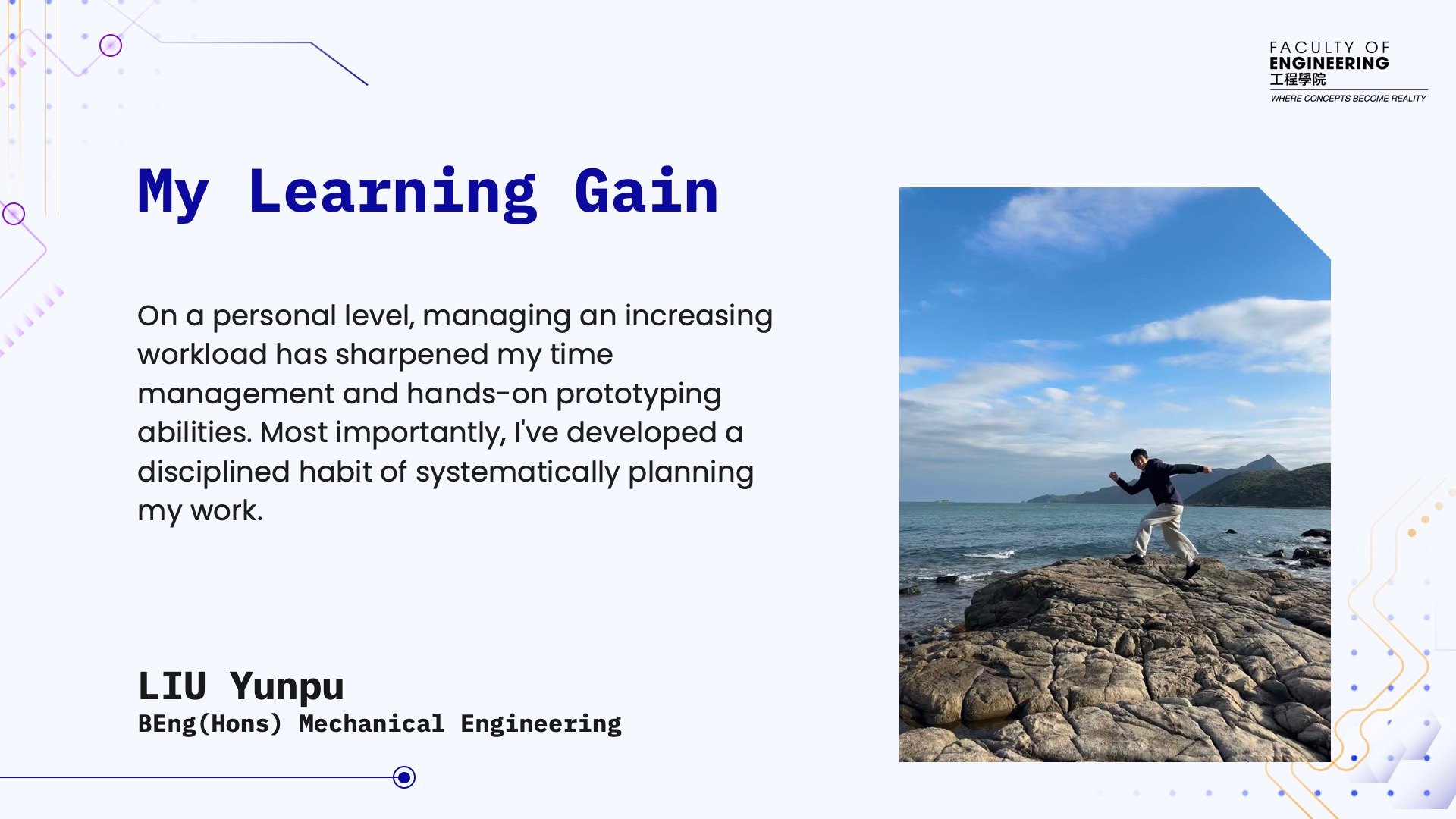
Yunpu explicitly noted that the biggest personal gain from this intense experience was developing "a disciplined habit of systematically planning my work."
Facing an increasingly heavy workload—which involved writing URIS and USRA research proposals, preparing for international competitions, and studying—the student strategically balanced their time to manage hands-on prototyping, research writing, and securing a future research internship at the University of Toronto.
Yunpu pushed past personal comfort zones to present and pitch their research to diverse audiences, including panels for research grants and competition judges.
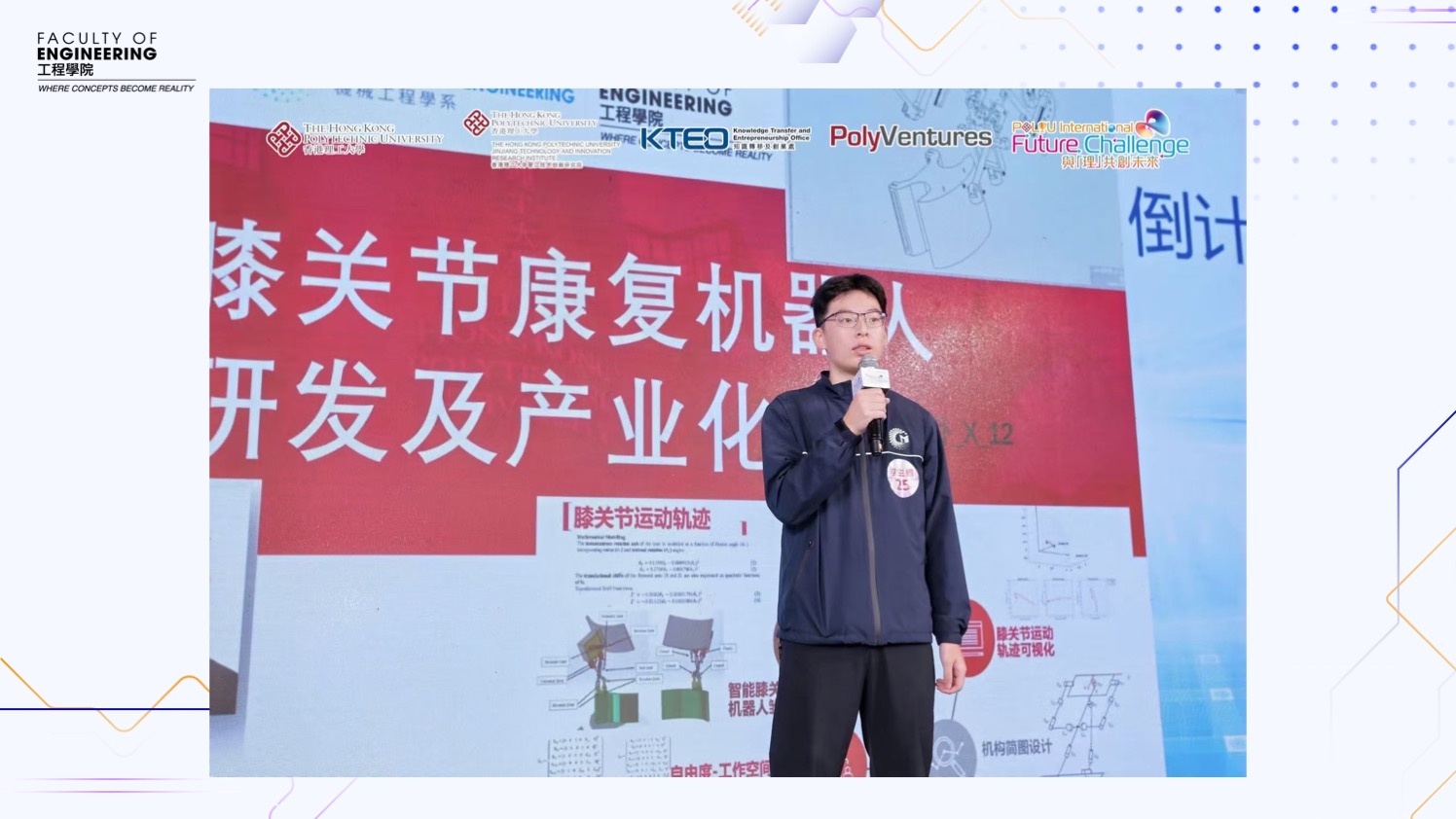
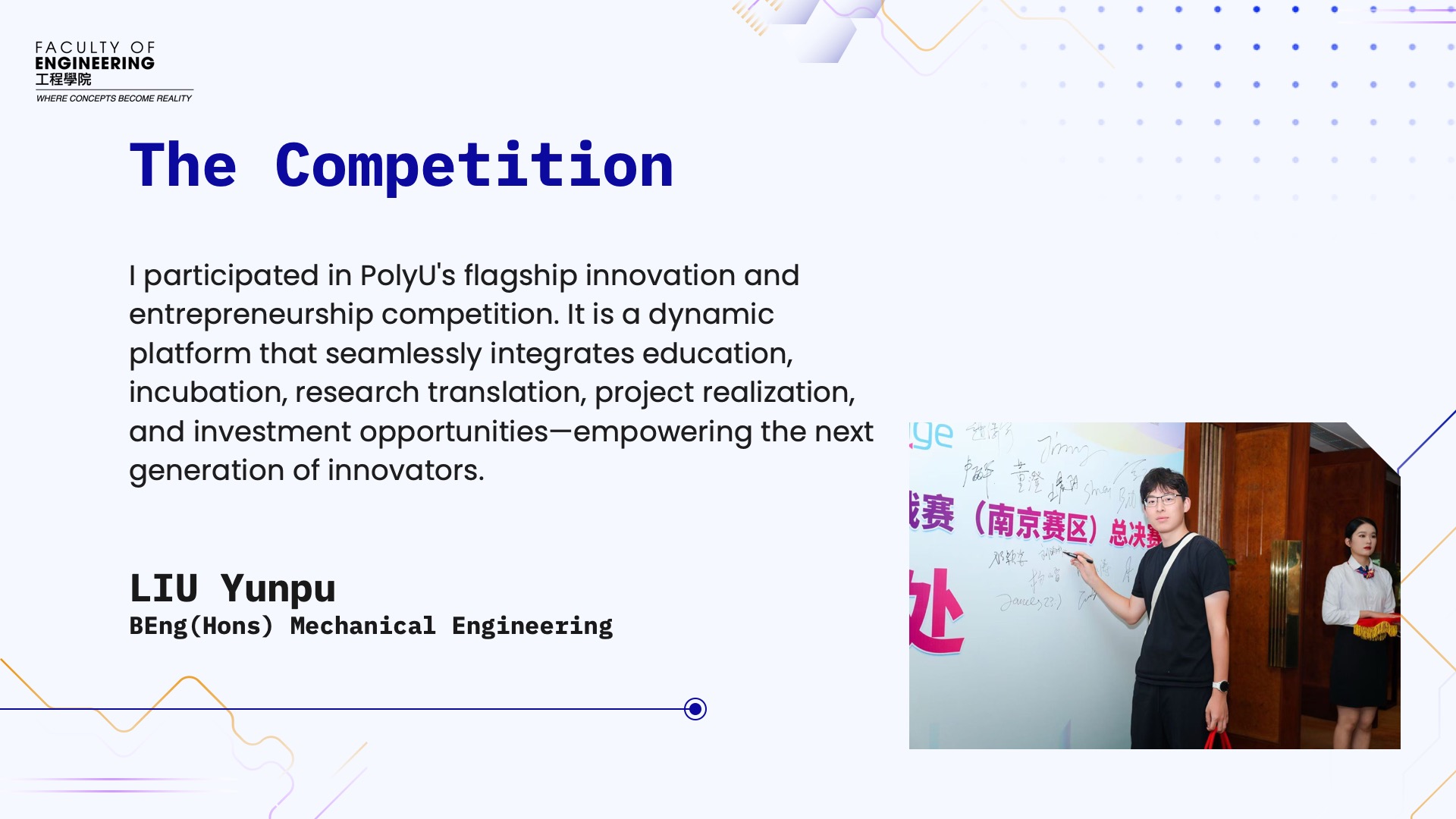
During PolyU’s flagship innovation and entrepreneurship competition (IFC), Yunpu experienced a high-pressure moment where they "got nervous and stumbled during [their] speech." Instead of giving up, they embraced the audience's encouragement, completed the presentation, and went on to win the Champion title.
Yunpu also honed his written communication skills by drafting successful research grant proposals (URIS and USRA) under the guidance of faculty professors.
Yunpu used a personal passion for football and an observation of a real-world healthcare gap to design a novel, practical medical device.
Yunpu creatively designed an exoskeleton that mirrors the "intricate ligament and muscle structures of the human body itself," copying how human joints move to allow for customized rehabilitation.
Motivated by the lack of accessible, advanced postoperative physical therapy for ordinary football players, Yunpu combined advanced parallel mechanisms with practical physical therapy needs to create a tool designed to shorten the recovery cycle for everyday people.
The pursuit of knowledge is a lifelong journey! To further expand your knowledge and continue your personal and professional growth. Click and explore the following learning resources:
Generalized Parallel Mechanisms
Kinematic Human-Robot Alignment
Research and Information Literacy