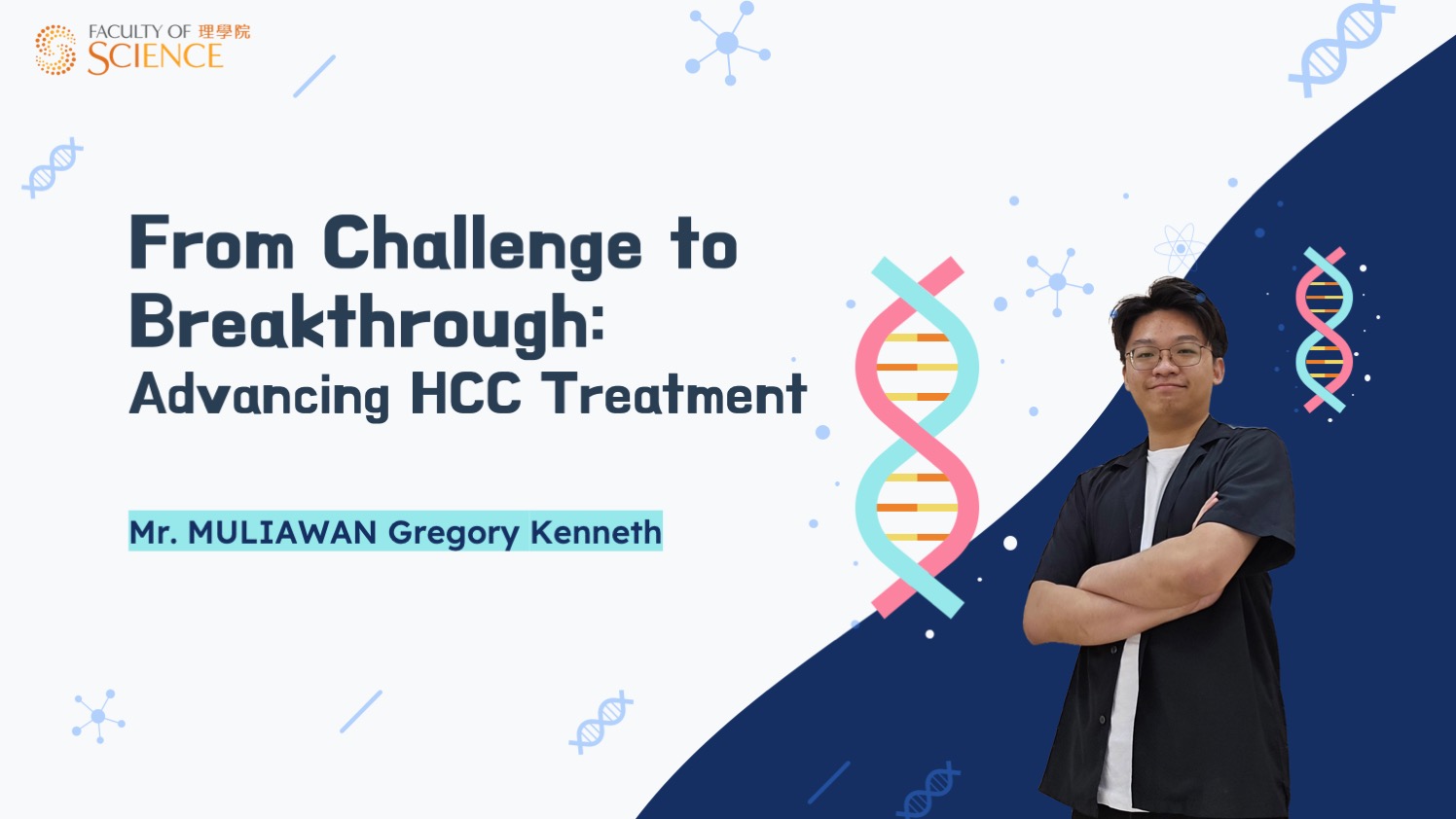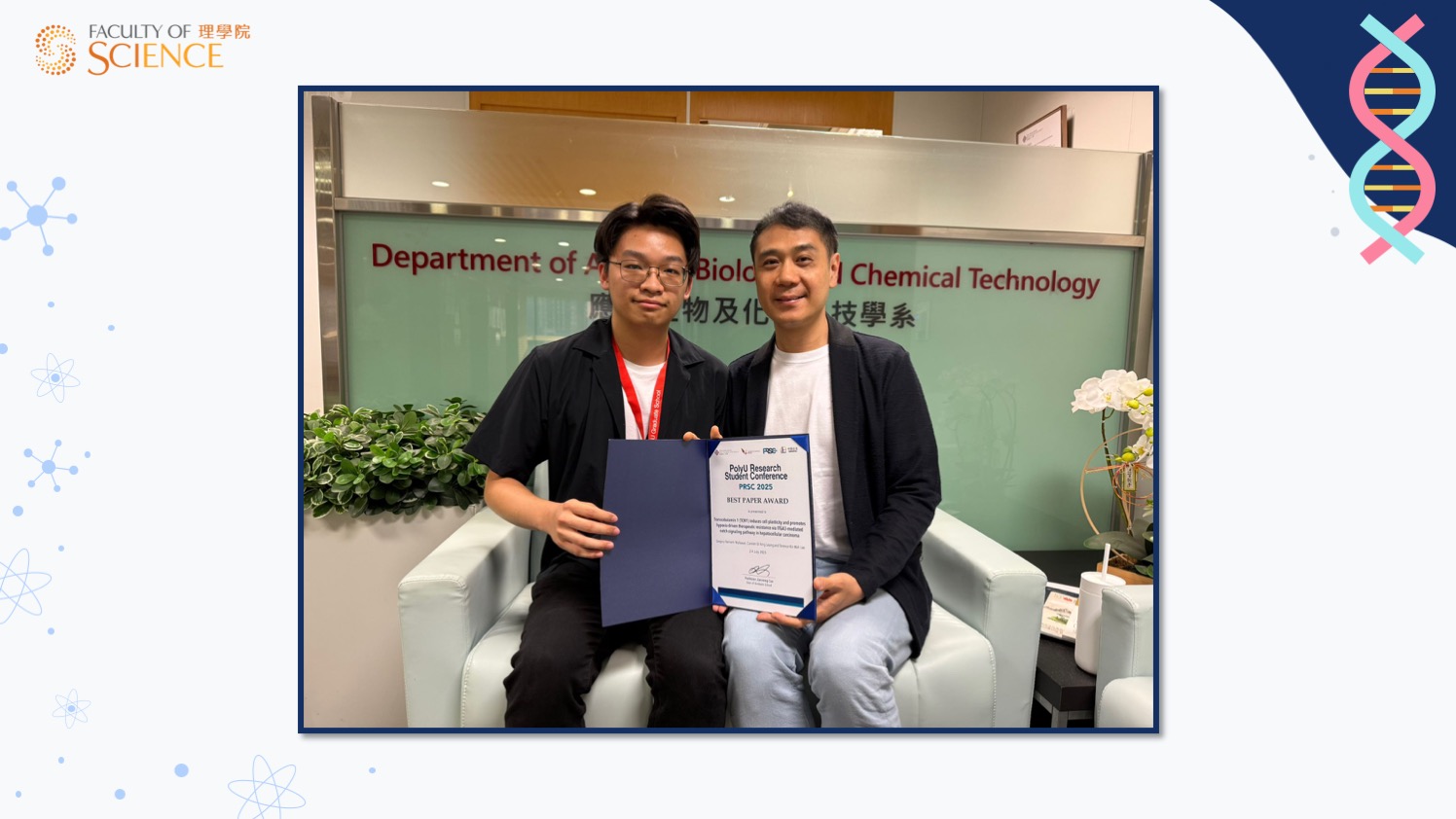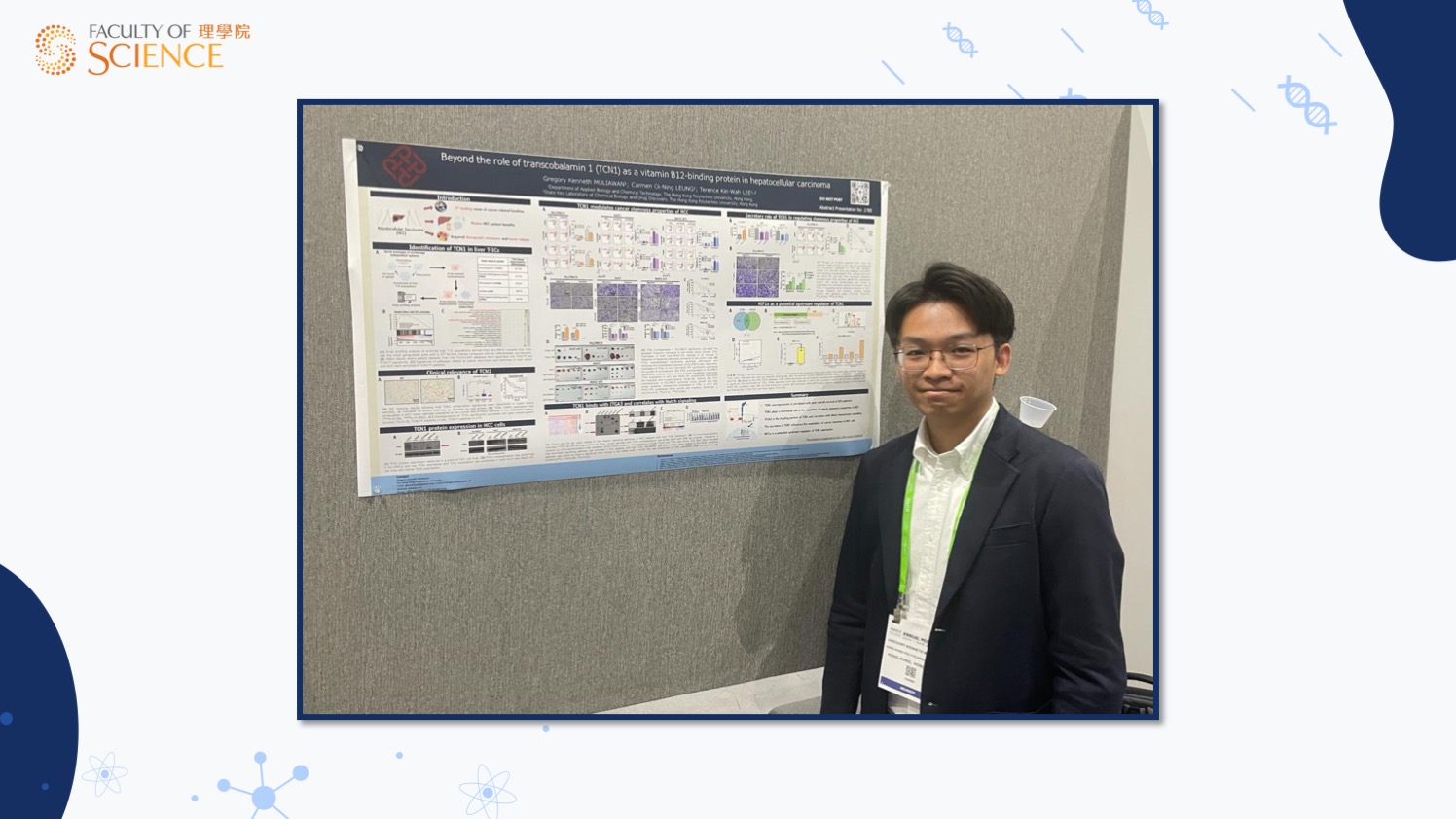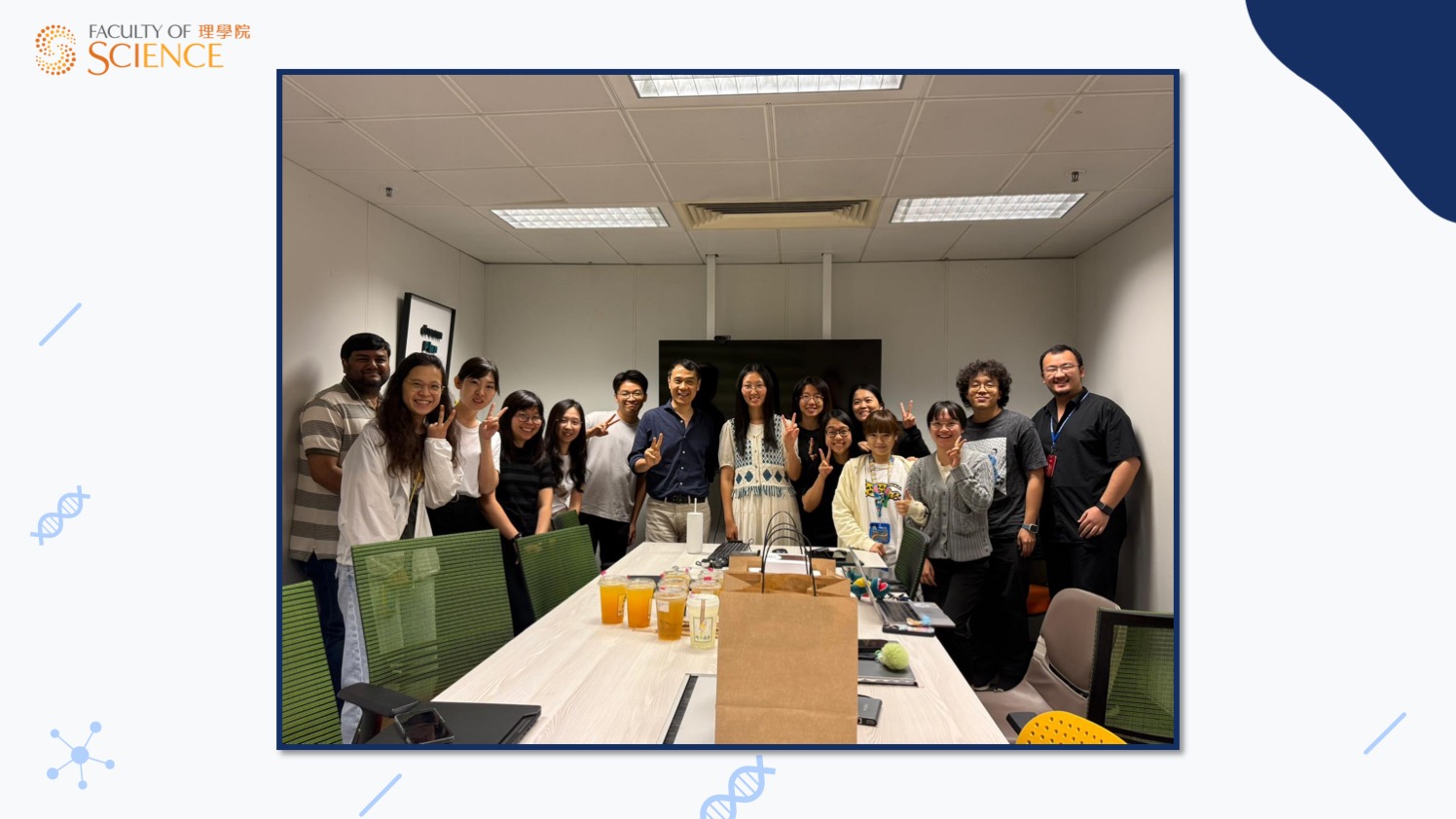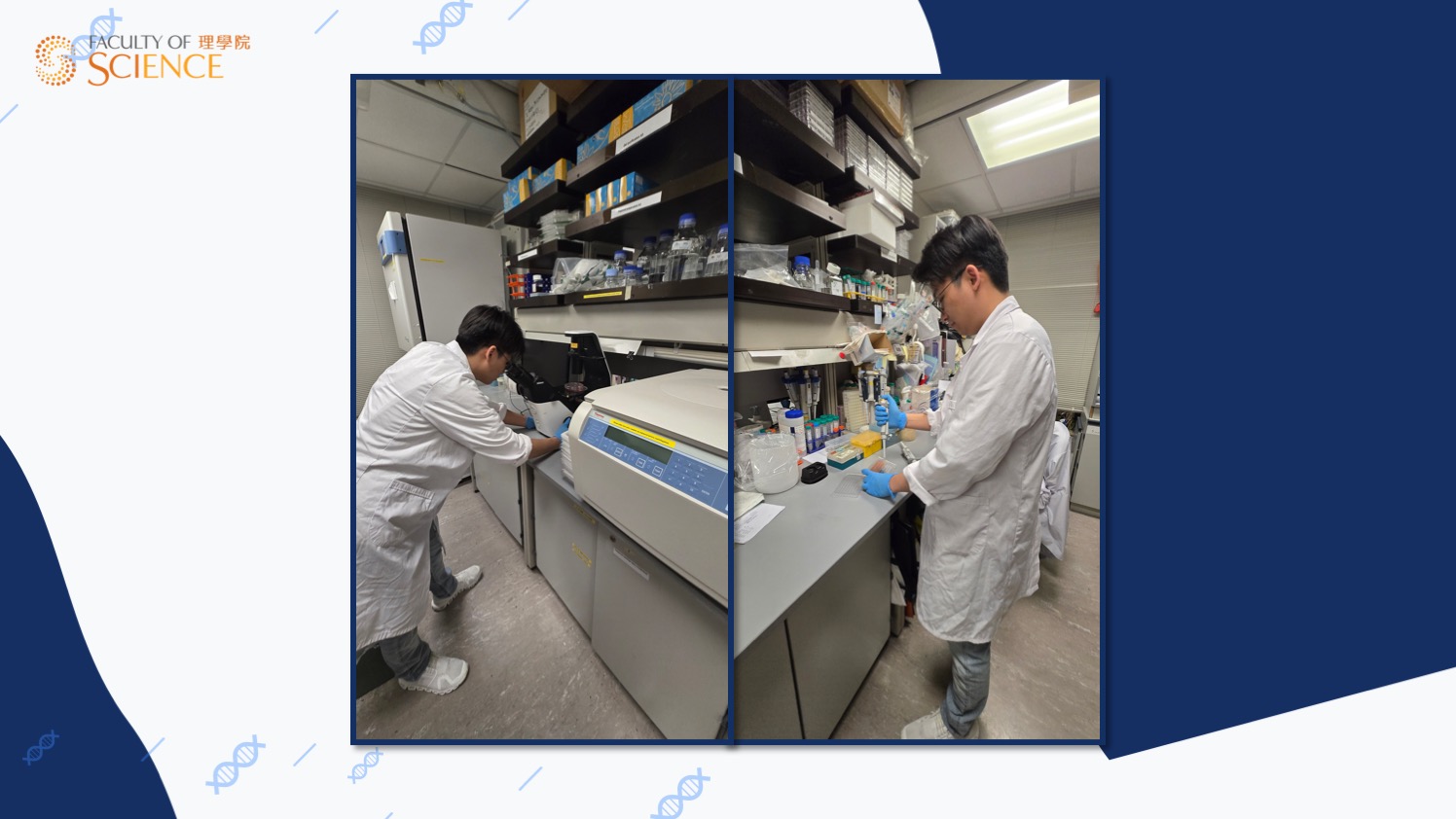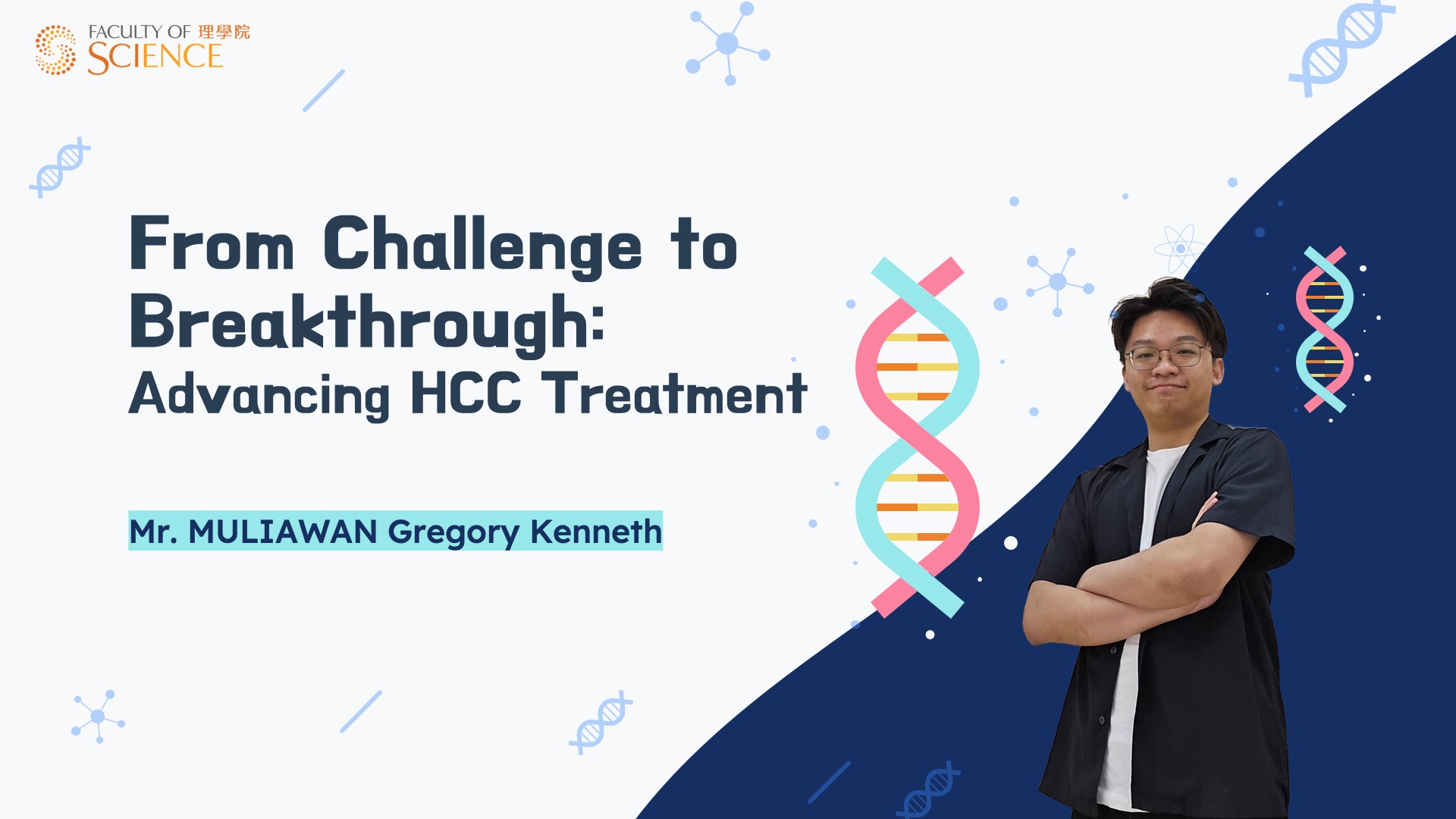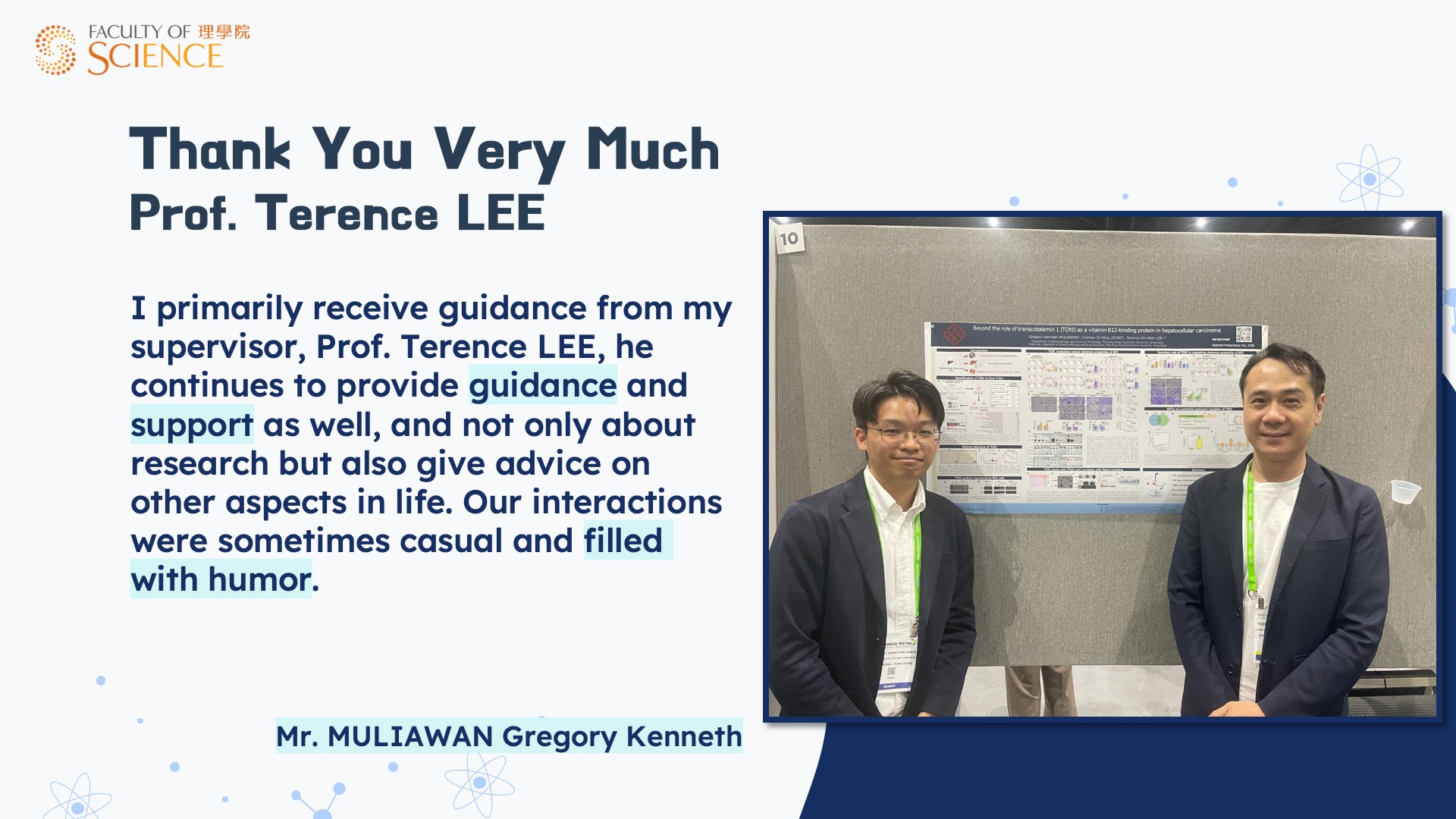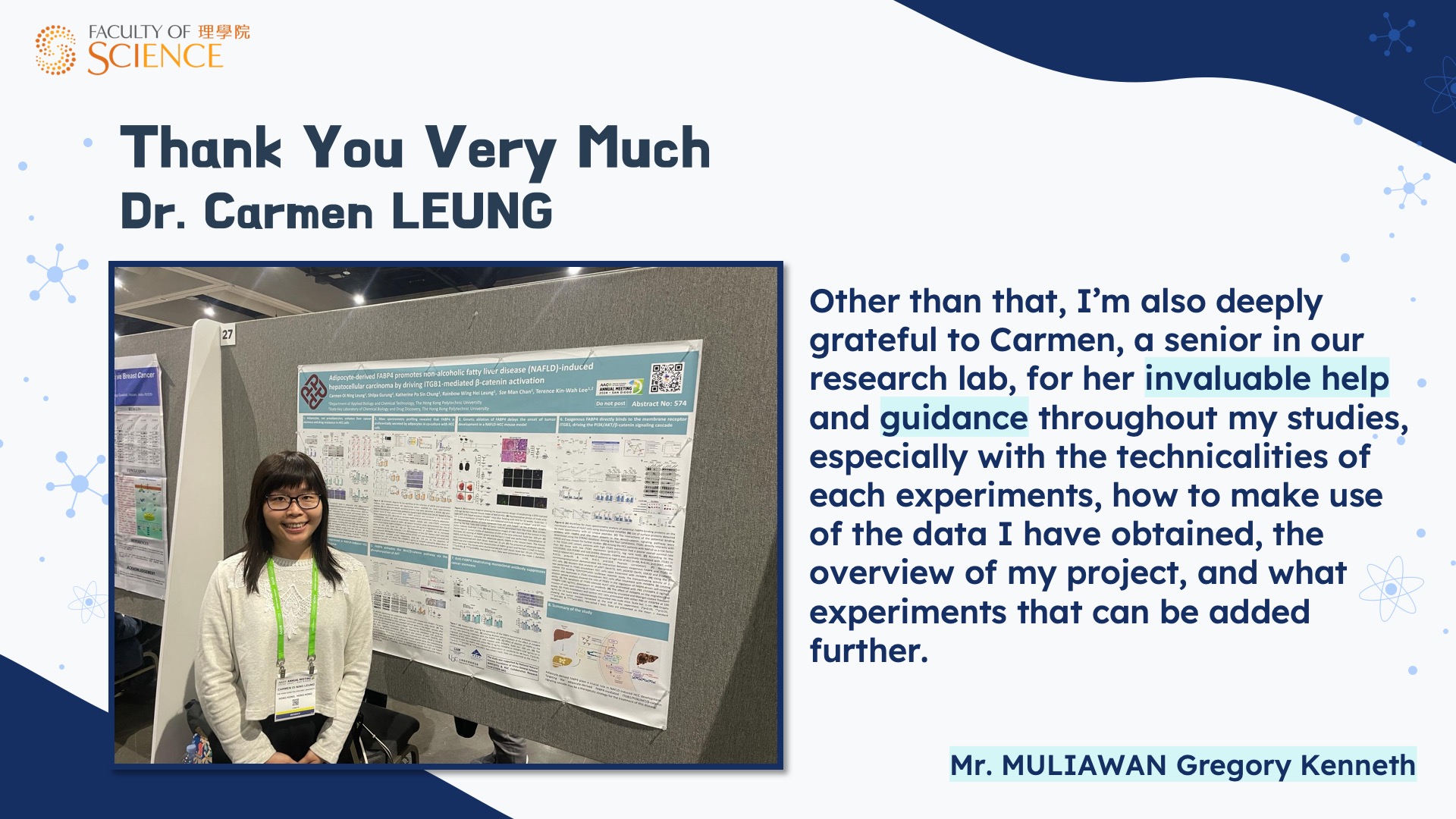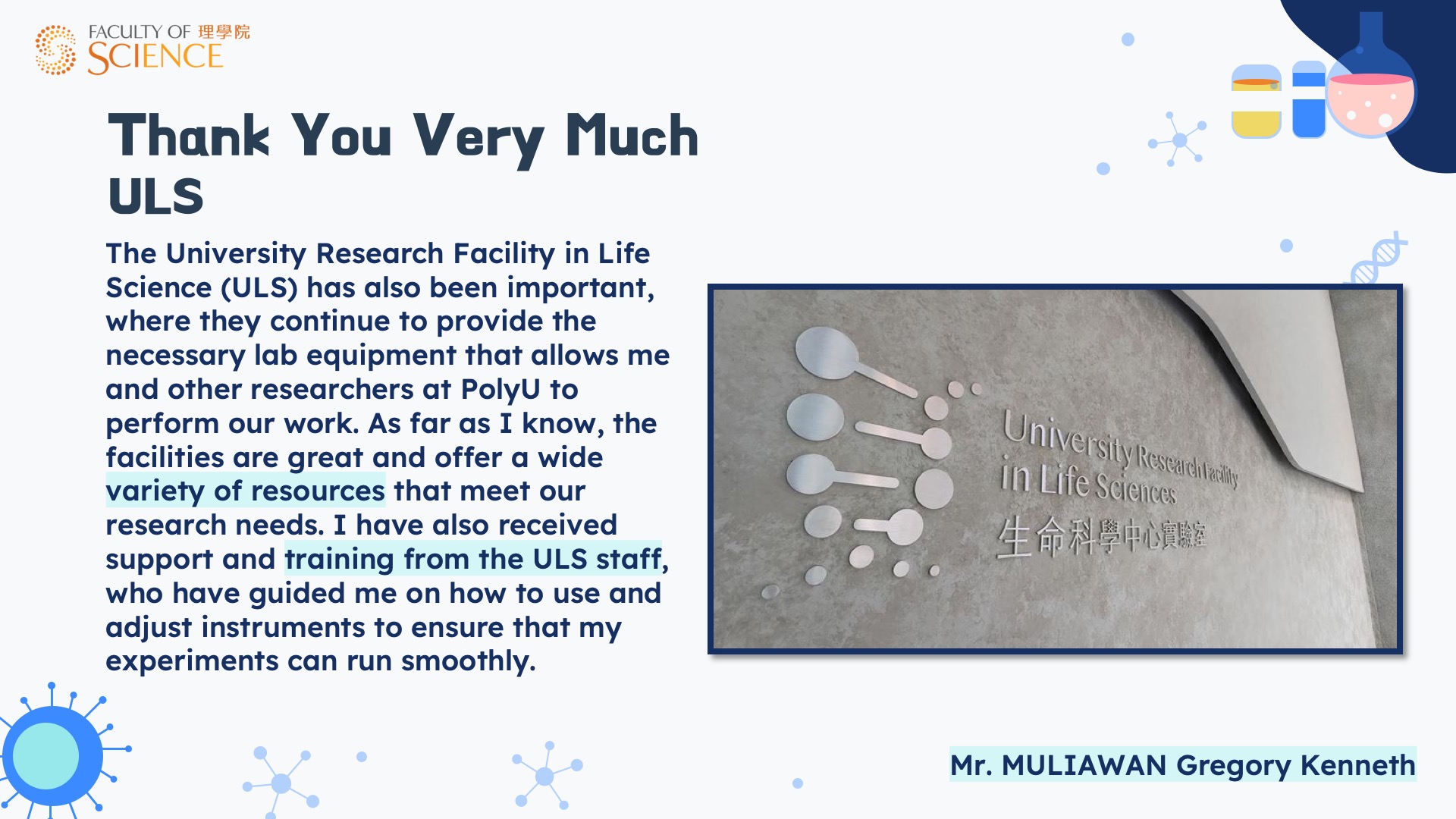


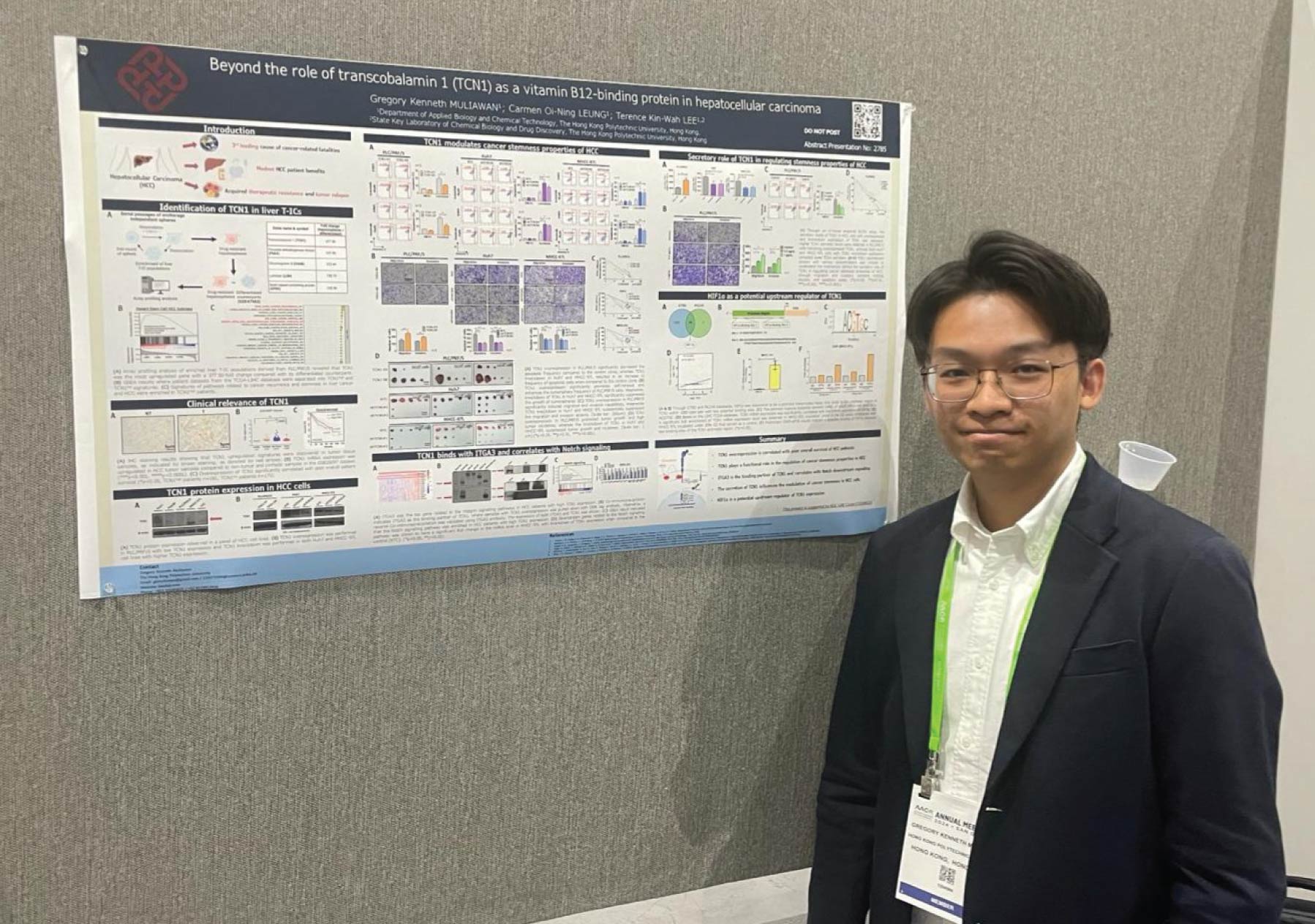
Driven by the urgent need for better treatments for hepatocellular carcinoma (HCC), Kenneth embarked on a challenging PhD journey at PolyU. His research seeks to uncover new therapeutic targets and understand why HCC resists existing drugs. The path was not easy—Kenneth faced frequent experimental failures and had to adapt quickly to the demanding research environment. With steadfast support from his supervisor Terence, senior Carmen, and lab teammates, Kenneth built resilience and honed his problem-solving skills. PolyU’s advanced facilities and dedicated staff played a key role in his progress.
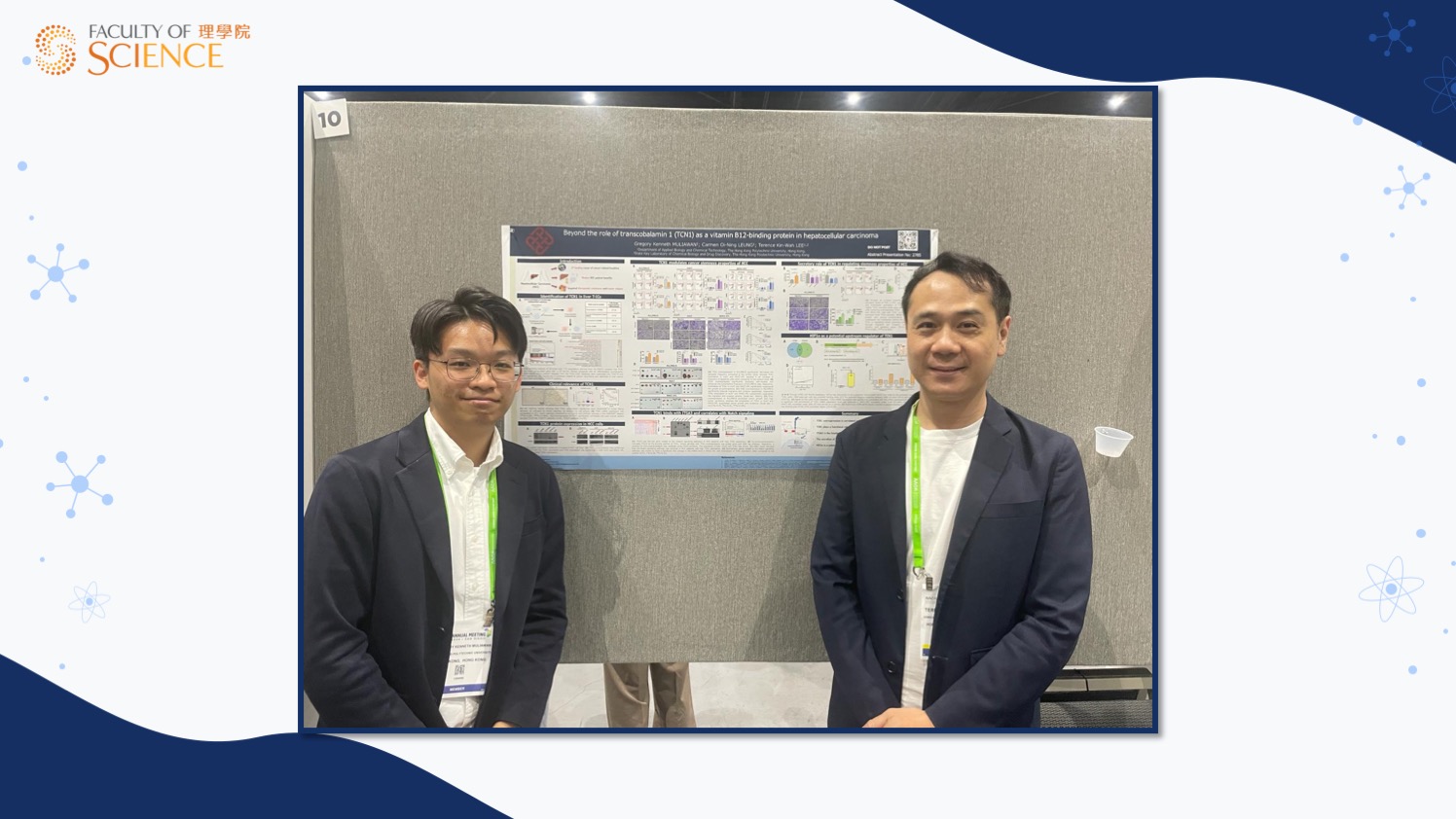
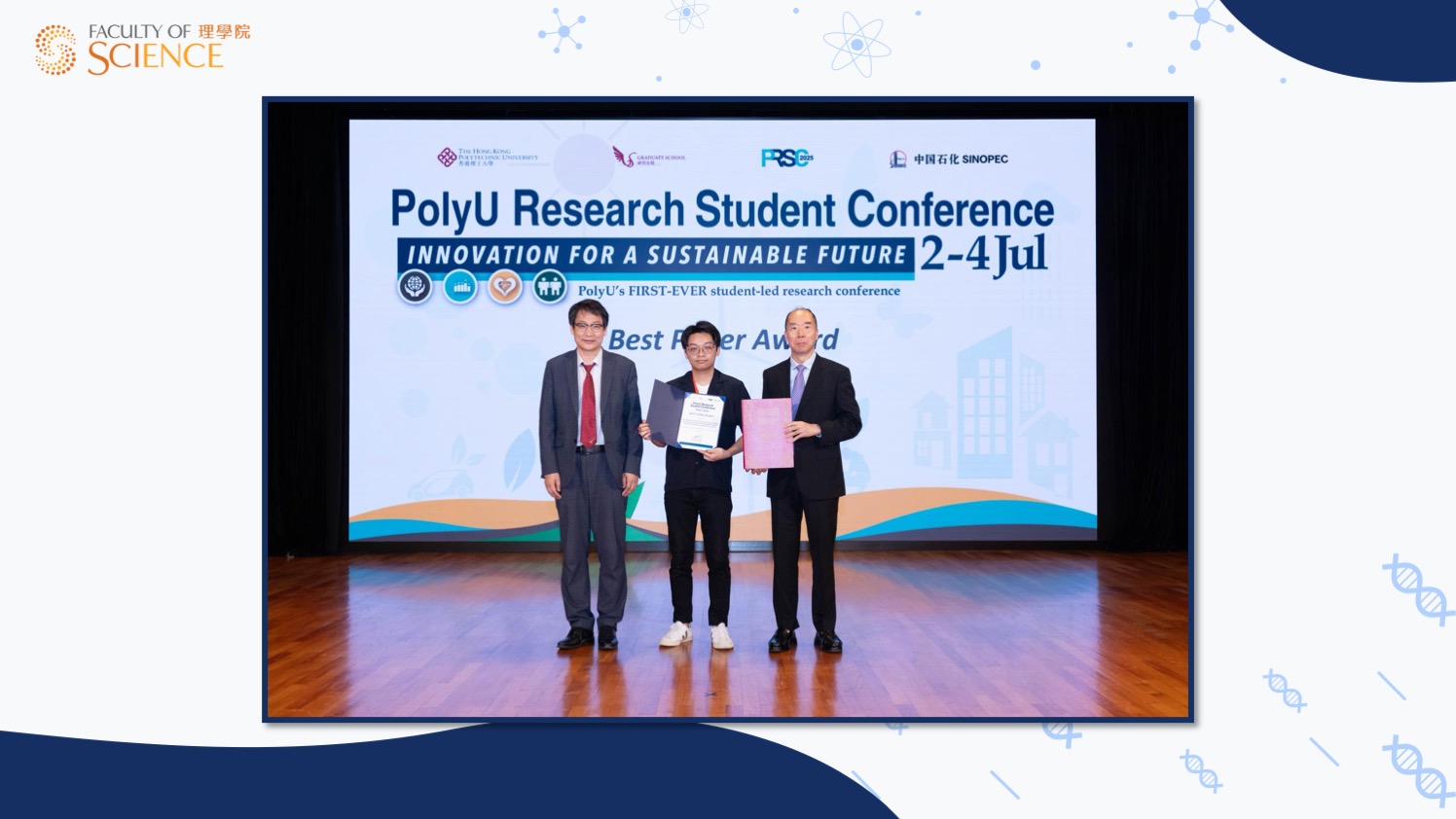
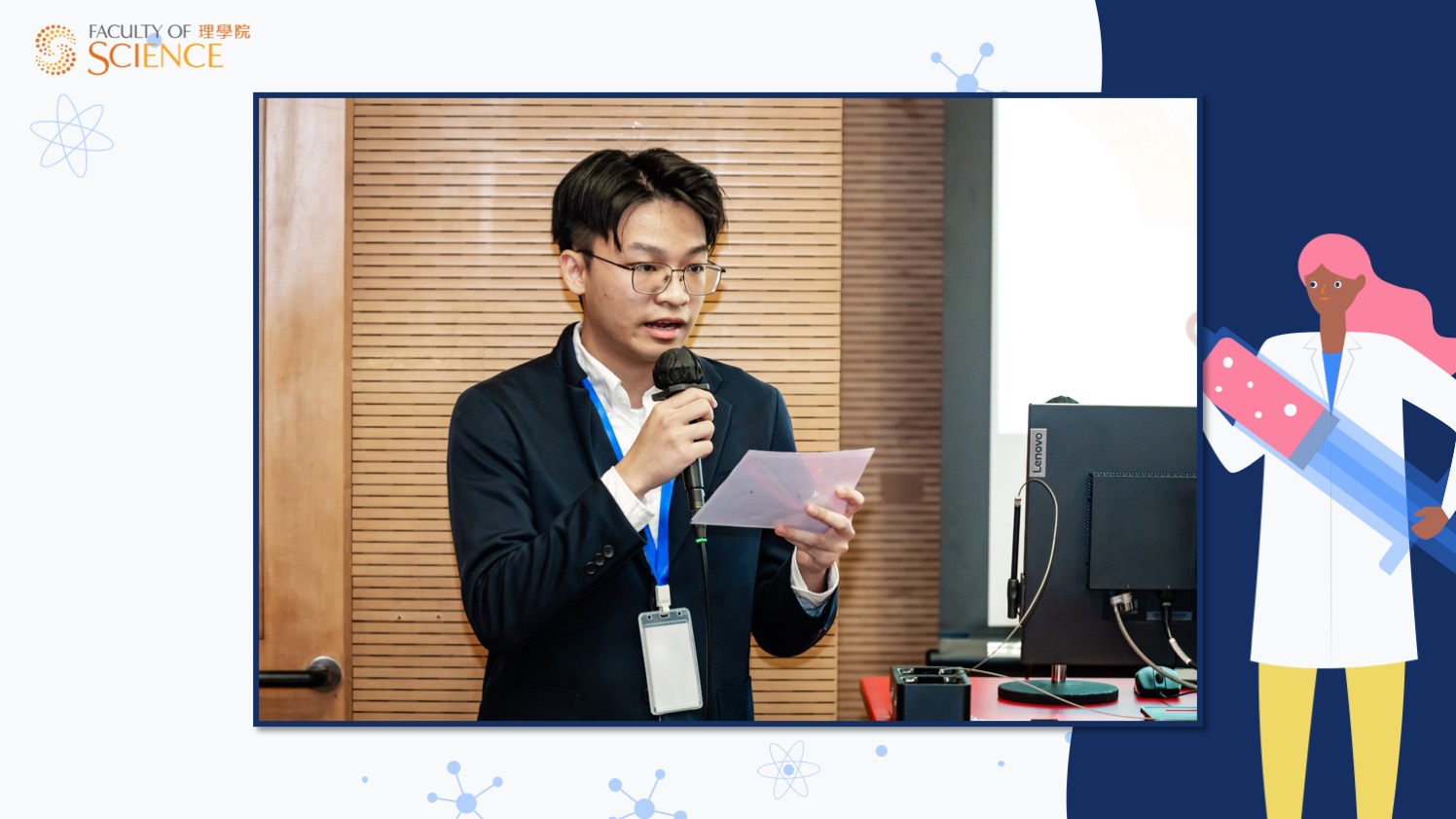
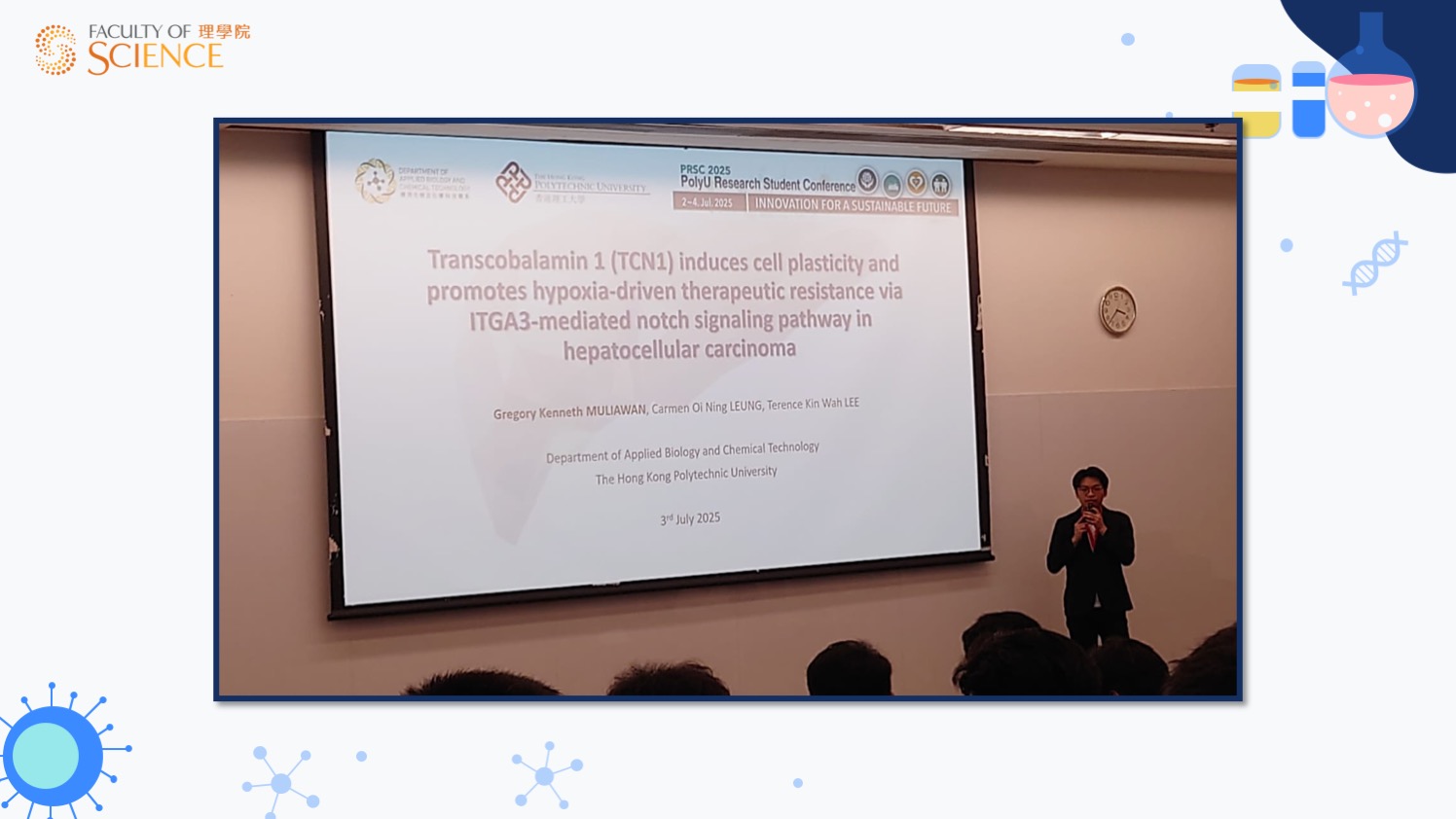
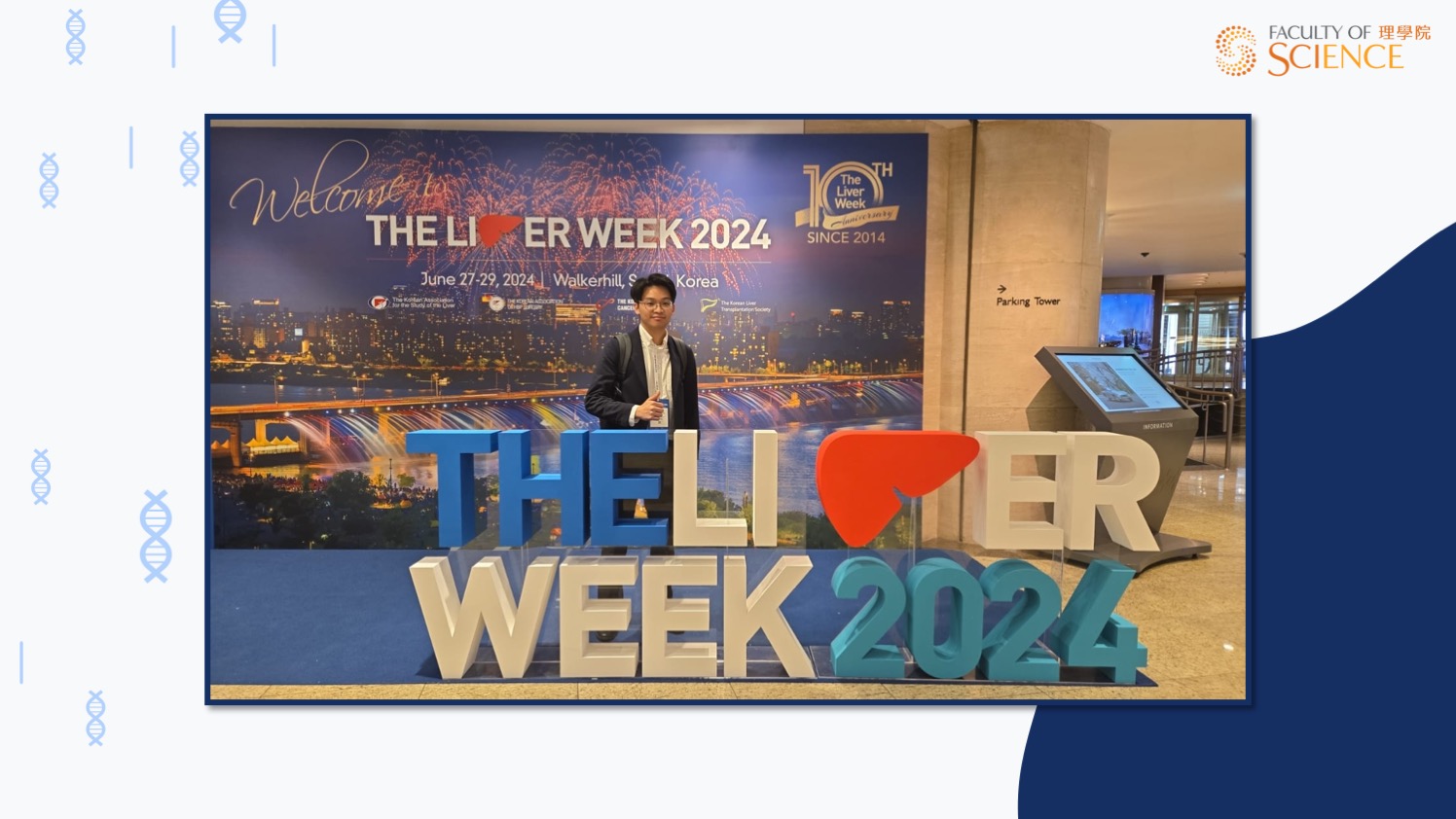
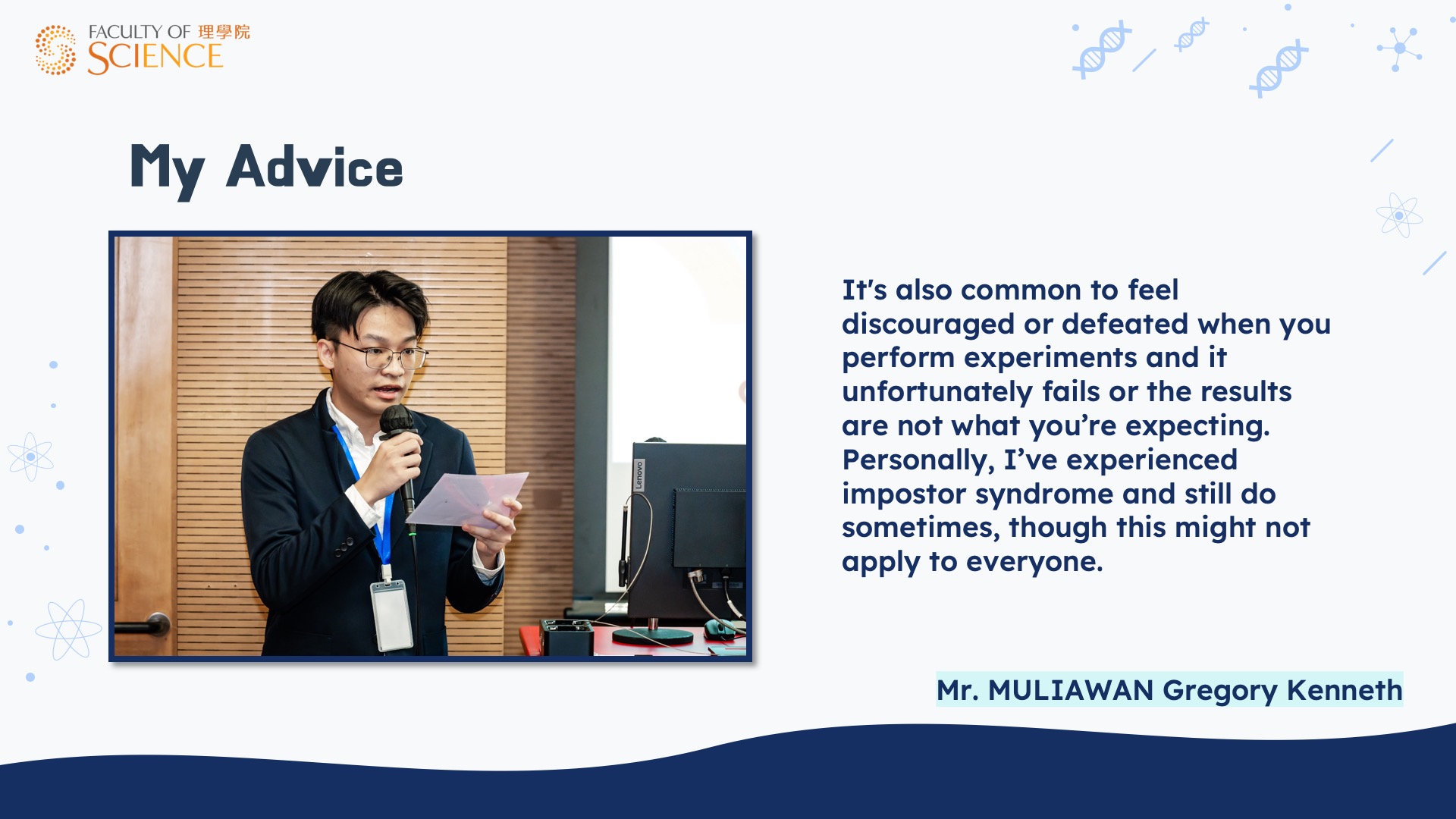
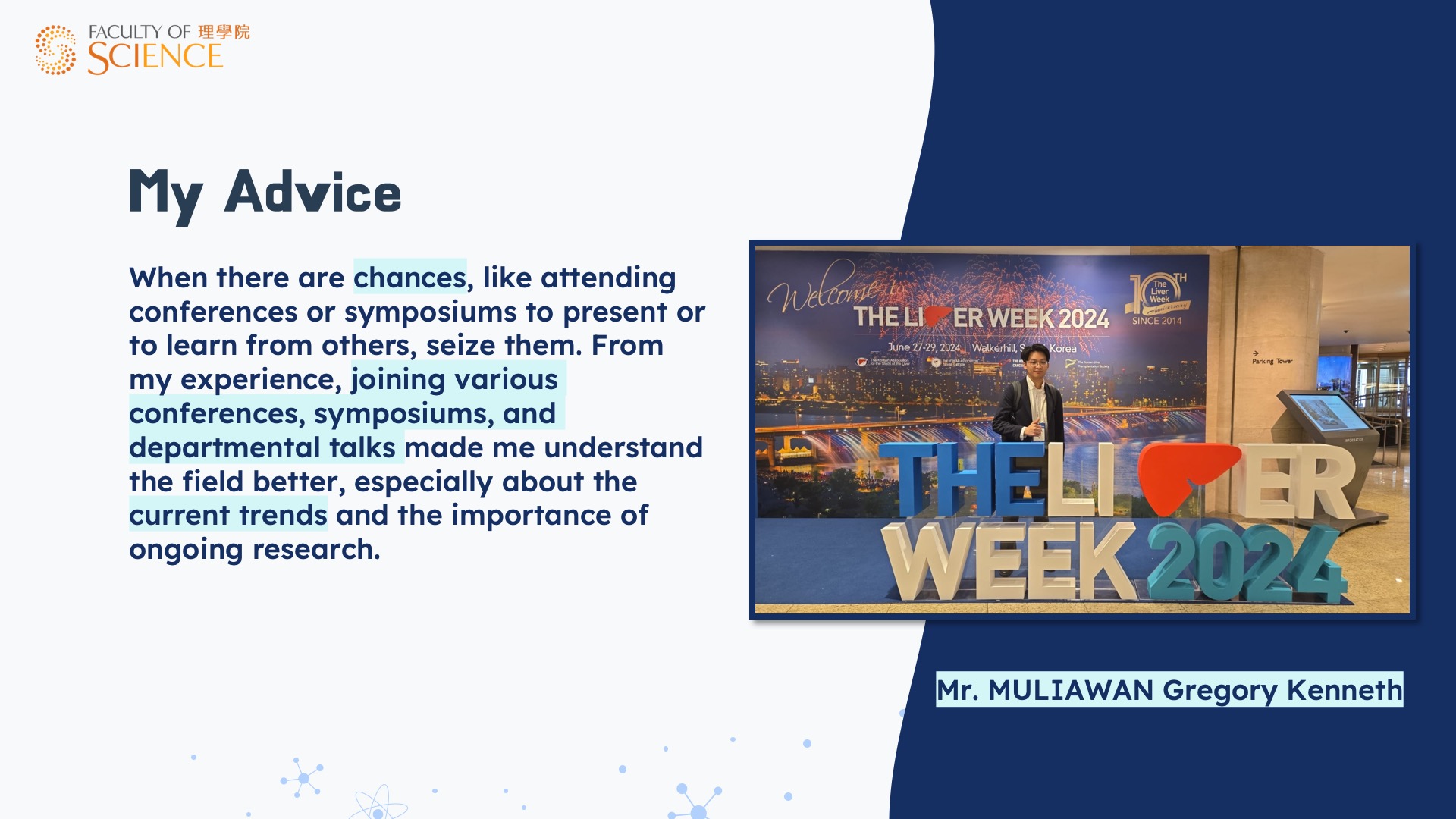
Through conferences and collaborative projects, Kenneth developed strong communication and presentation skills, transforming from a reserved student to a confident researcher. Kenneth’s experiences have prepared him to make a meaningful impact in cancer research, whether in academia or industry, by bridging the gap between clinical needs and innovative solutions.
Mr. MULIAWAN Gregory Kenneth
Faculty of Science
Department of Applied Biology and Chemical Technology
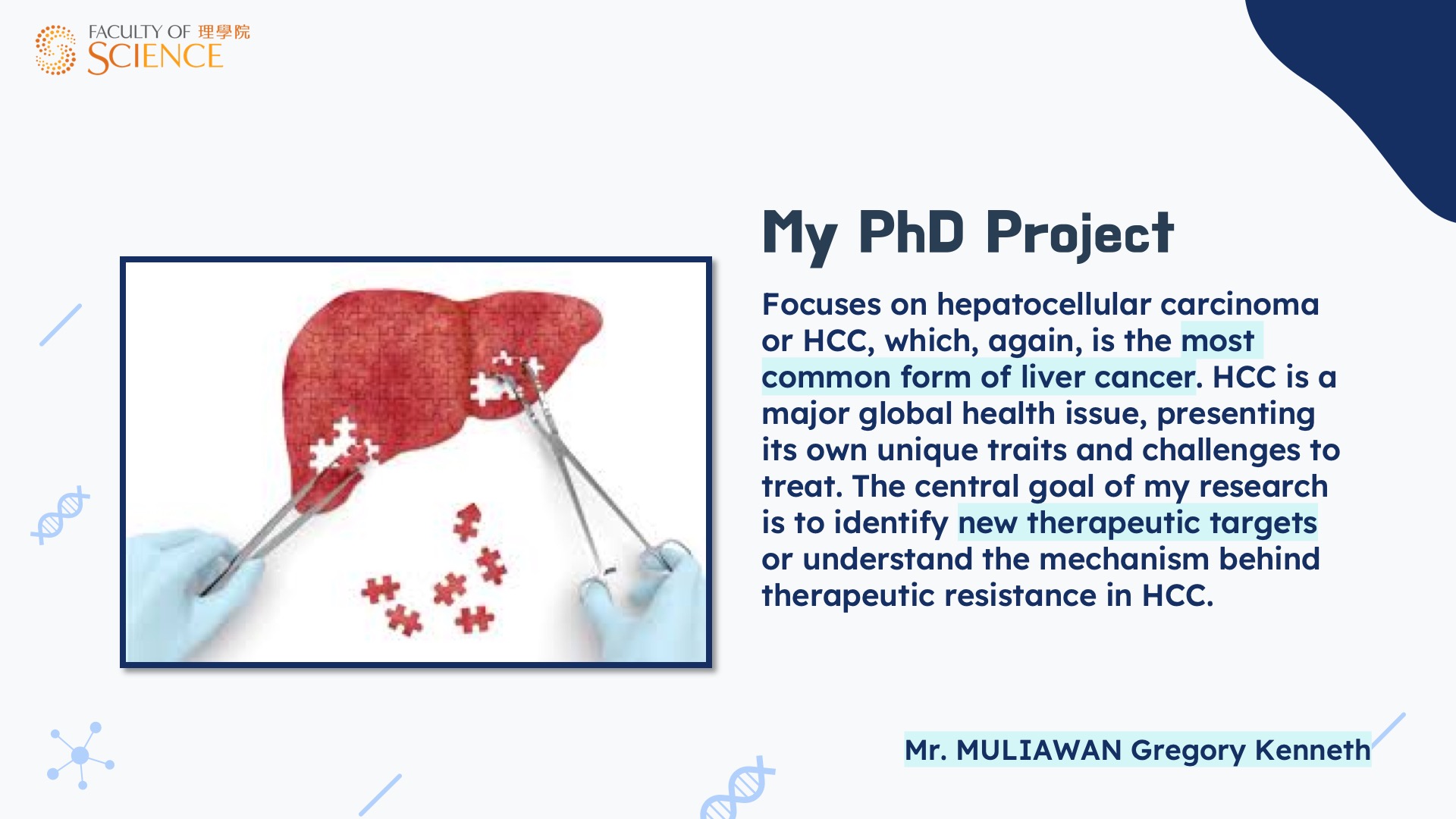
Kenneth developed a deep understanding of HCC, recognizing it as the most common form of liver cancer and a major global health issue. He learned about its prevalence (sixth most diagnosed cancer, third leading cause of cancer deaths), unique biological traits, and the challenges in treating it, especially as the disease progresses and treatment options become limited.
A central focus of Kenneth’s research is understanding why HCC becomes resistant to therapies, such as chemotherapy. He explored how some patients initially respond to treatment but later relapse, leading to poor prognosis. His work aims to uncover the molecular and cellular mechanisms behind this resistance, which is crucial for developing more effective treatments.
Kenneth investigated the protein transcobalamin 1 (TCN1), a vitamin B12-binding protein found in blood and salivary glands. He learned that TCN1 is highly expressed in drug-resistant HCC cells and is relatively understudied in cancer biology. His research explores the potential role of TCN1 in HCC progression and resistance, opening new avenues for therapeutic targeting.
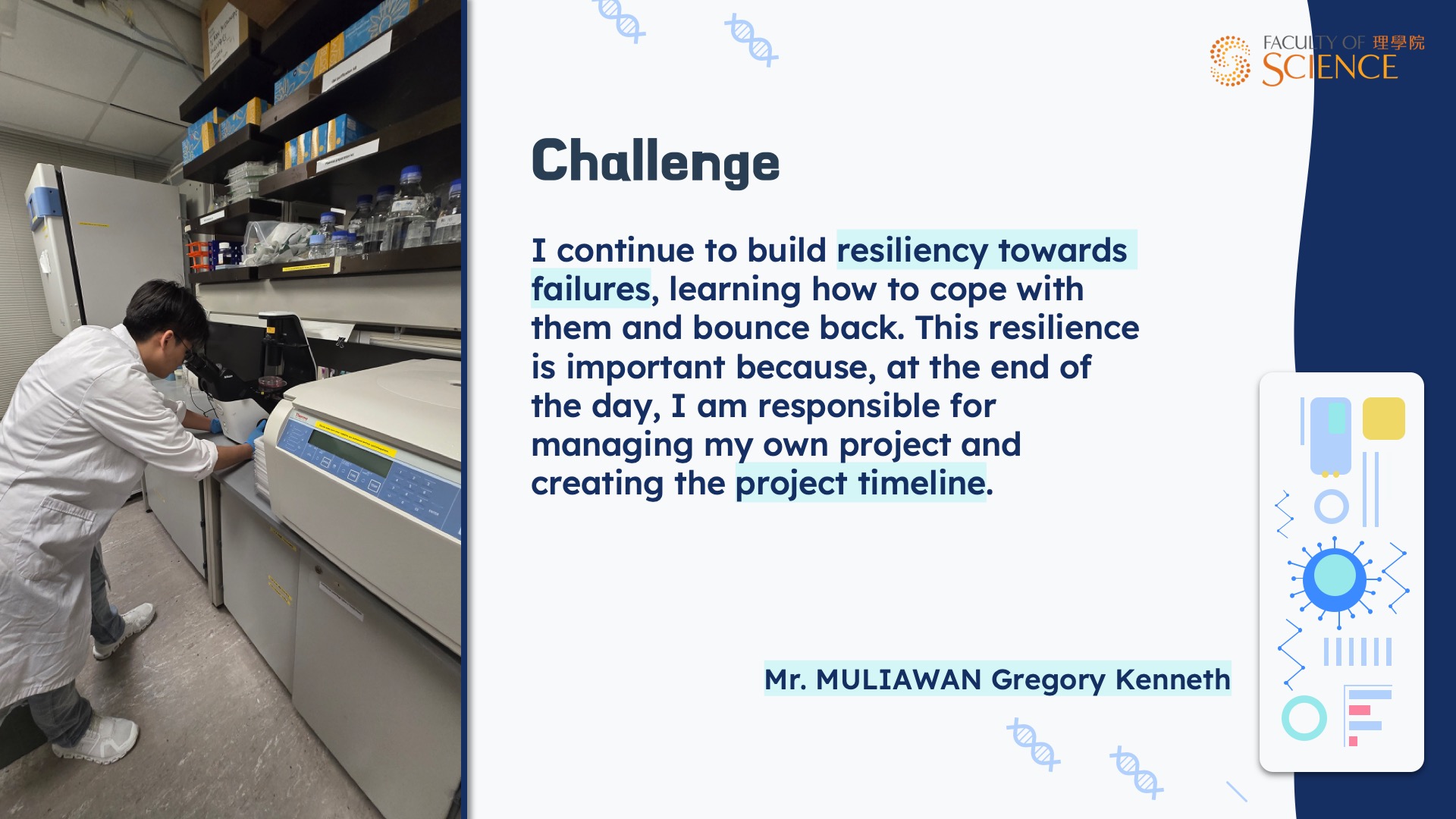
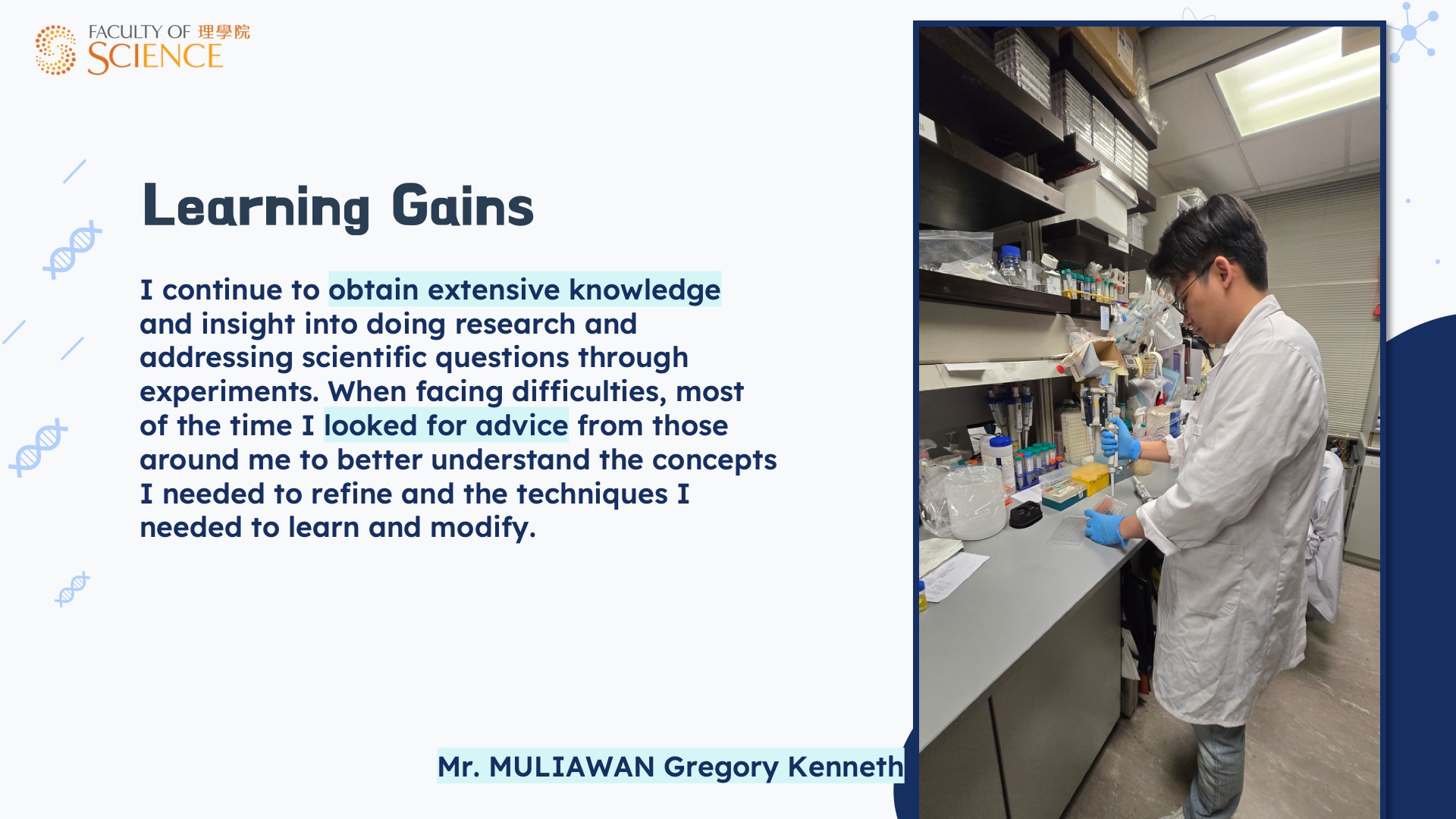
Kenneth gained hands-on experience with a range of experimental techniques, including in vivo mouse models and molecular biology methods. He learned how to design, execute, and refine experiments to dissect tumor biology, and how to use animal facilities and advanced lab equipment to support his research.
Kenneth’s research equipped him with knowledge about designing combinational therapies for HCC, including the integration of immunotherapy to overcome tumor immunosuppression. He understands the importance of targeting multiple pathways and mechanisms to break through resistance and improve patient outcomes, contributing to smarter and more effective cancer treatments.
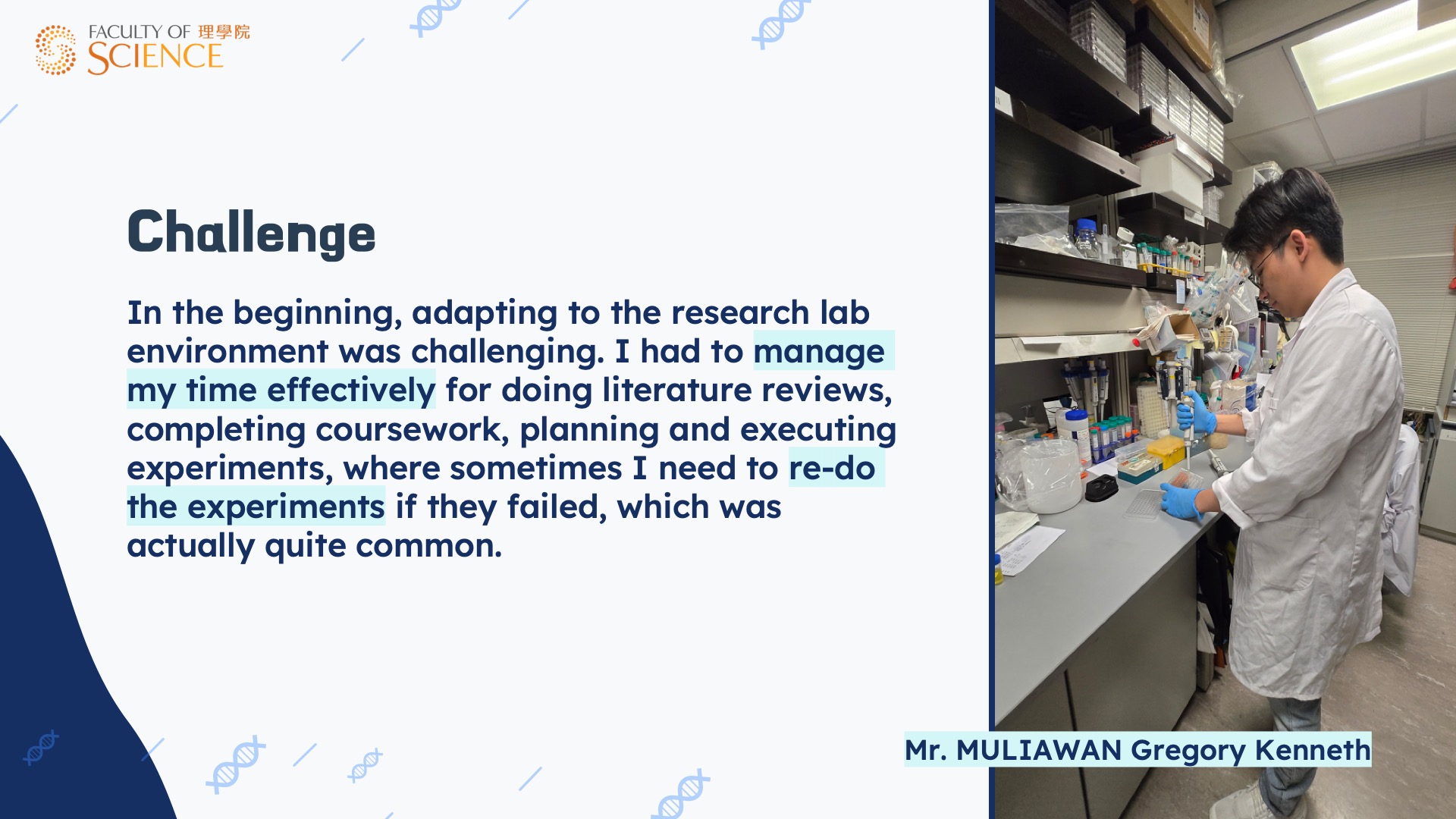
Kenneth describes repeatedly facing failed experiments and the need to redo them, sometimes working weekends to ensure progress. He learned to build resilience, cope with setbacks, and bounce back from failures—an essential lifelong skill for any researcher or professional, as it enables continuous growth despite challenges.
Adapting to the research lab environment required Kenneth to manage his time effectively, balancing literature reviews, coursework, and experimental work. He learned to utilize his time efficiently, which is crucial for meeting deadlines, maintaining productivity, and achieving long-term goals in both academic and professional settings.
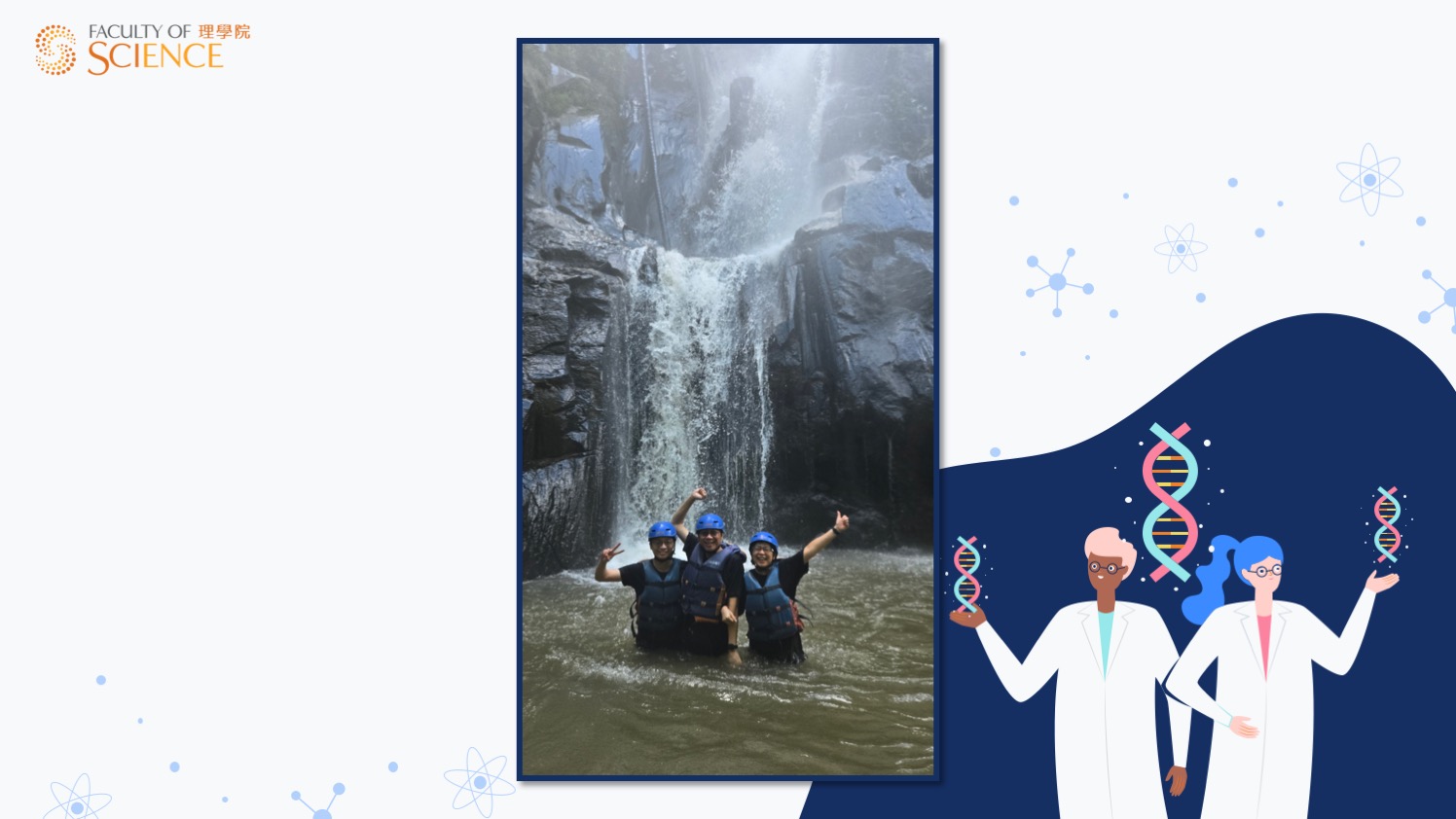
Kenneth’s story highlights the importance of working with supervisors, lab members, and technical staff. He benefited from a collaborative environment where team members shared expertise and supported each other. This skill is vital for lifelong learning, as collaboration fosters knowledge exchange, problem-solving, and innovation.
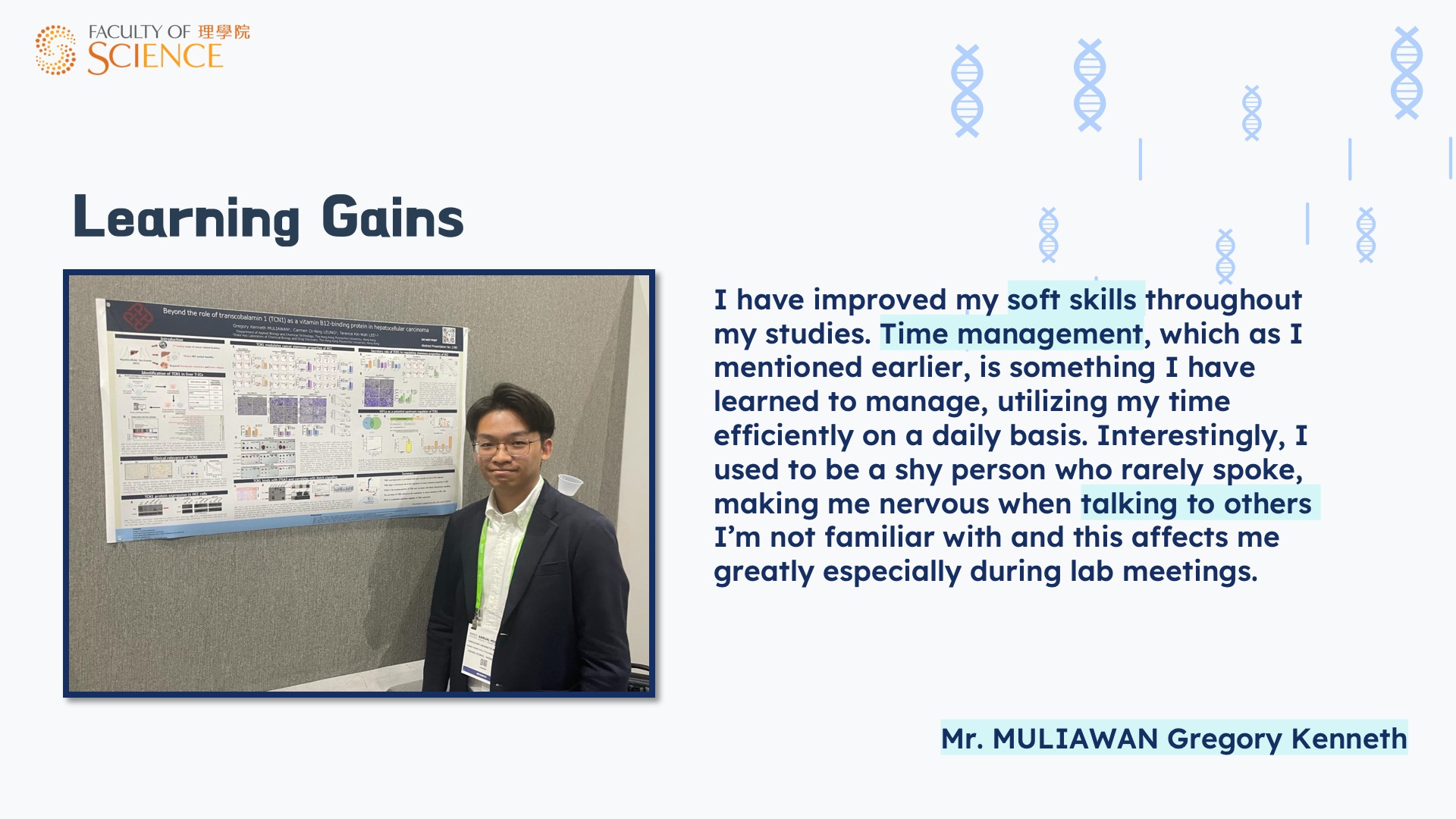
Initially shy and nervous about speaking, Kenneth improved his communication skills through lab meetings, conferences, and symposiums. He learned to present his research clearly to different audiences, gaining confidence and the ability to tailor his message—skills that are invaluable for sharing knowledge and advancing in any career.
Kenneth transitioned from theoretical learning to hands-on experimentation, refining protocols and learning new techniques as needed. He sought advice from others and adapted his approach when direct answers weren’t available. This openness to learning and ability to modify methods is a key lifelong skill, ensuring ongoing personal and professional development.
The pursuit of knowledge is a lifelong journey! To further expand your knowledge and continue your personal and professional growth. Click and explore the following learning resources:
Continuous Improvement and Learning from Mistakes
Project Management and Teamwork