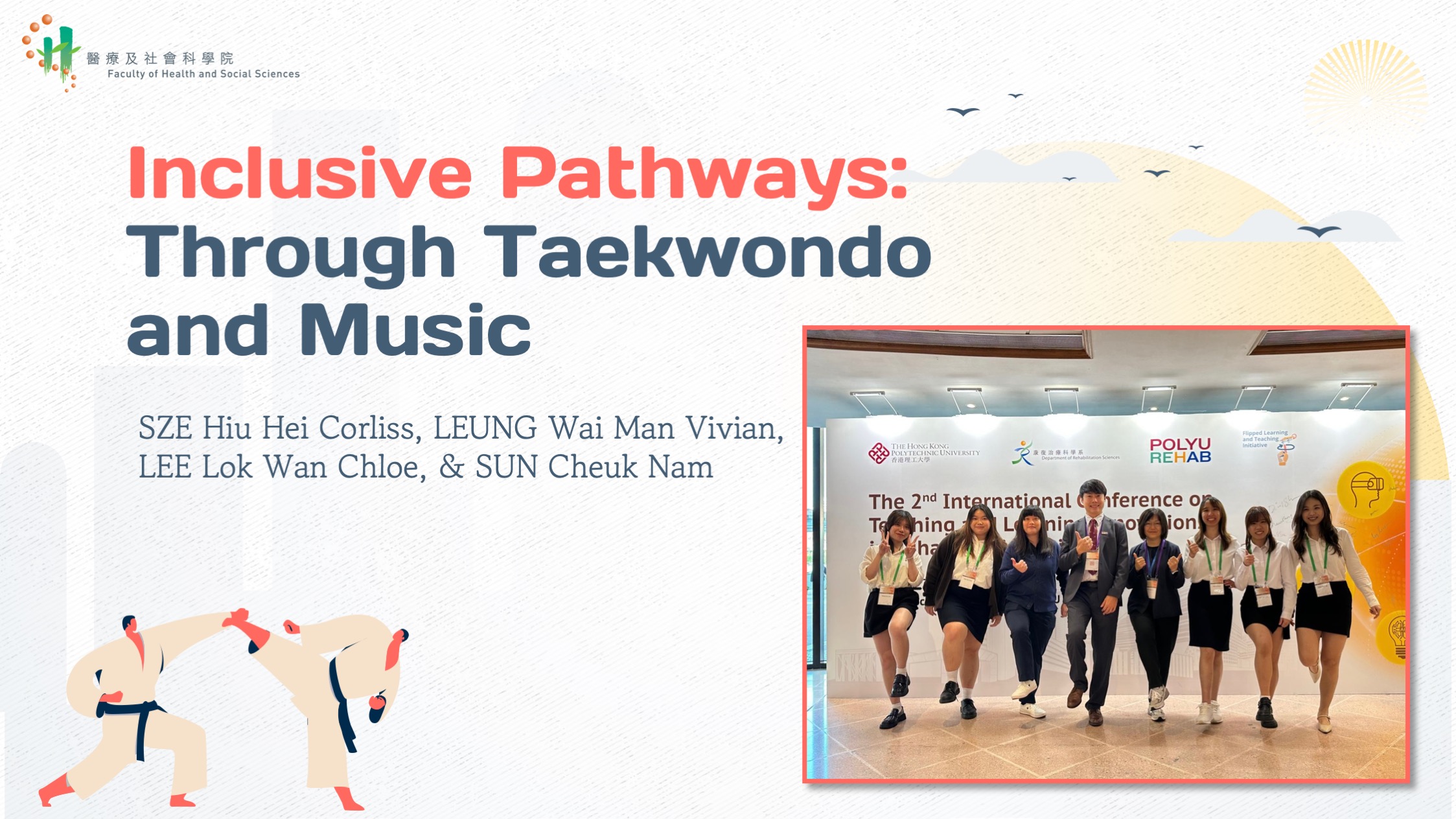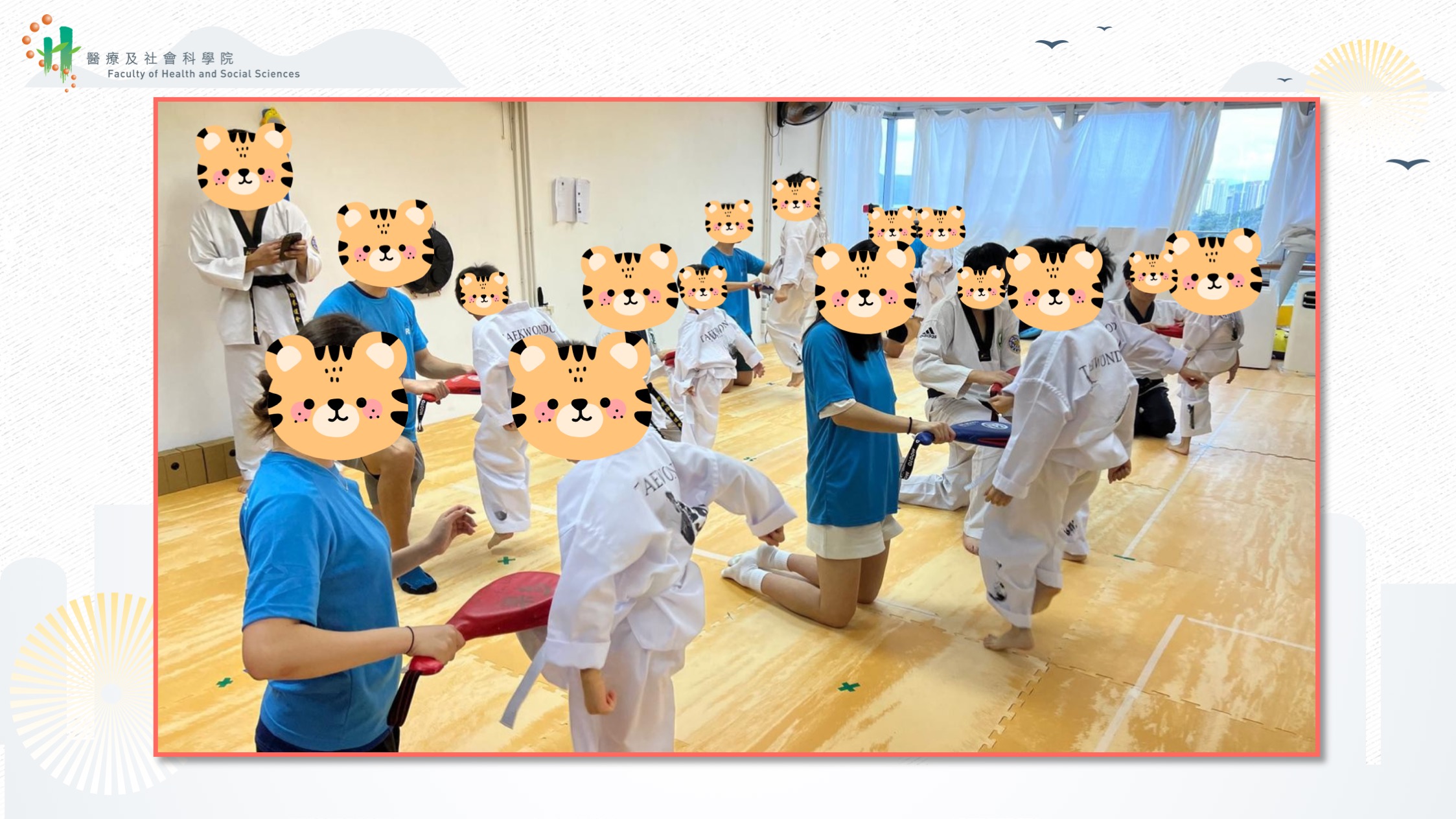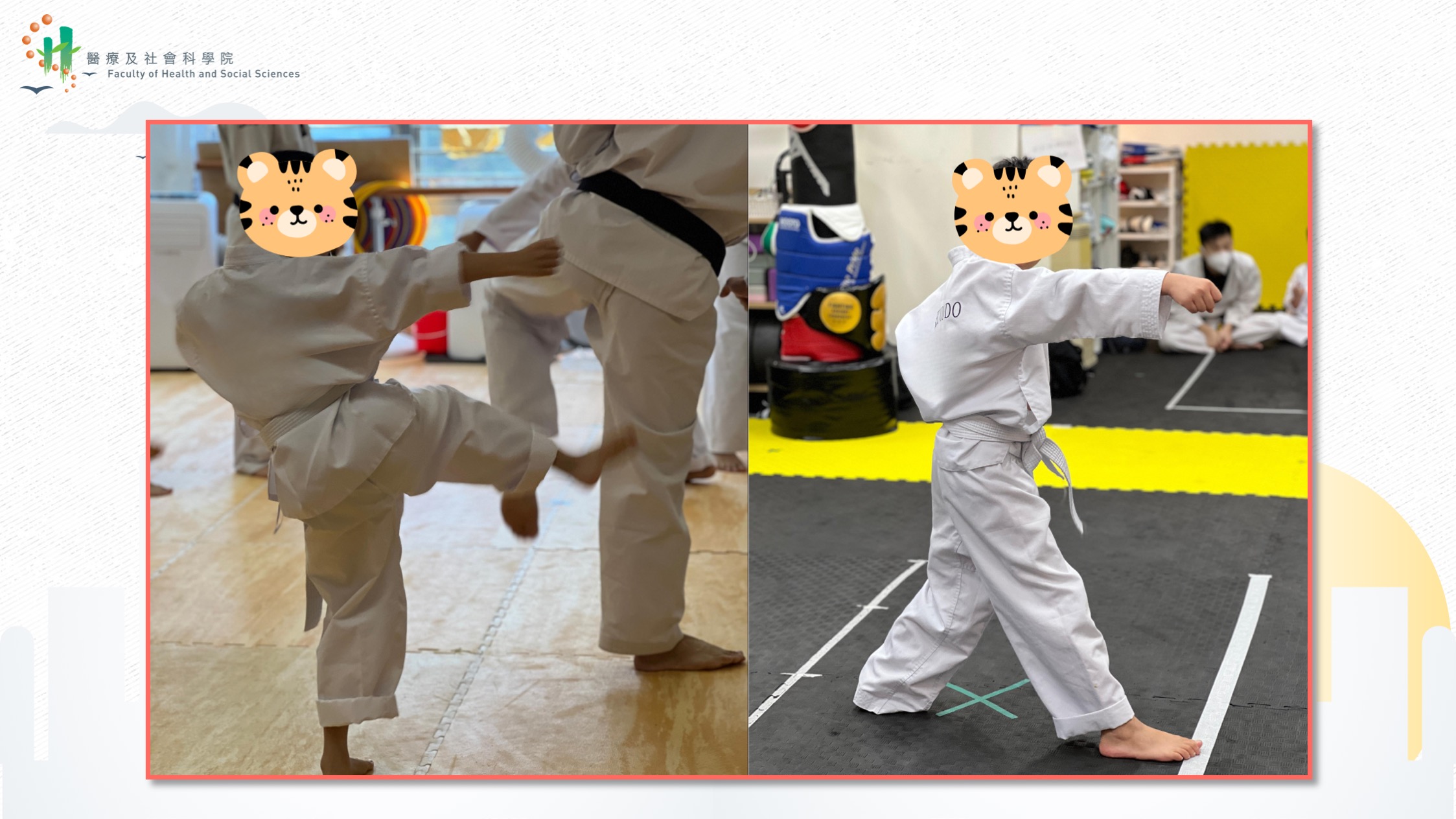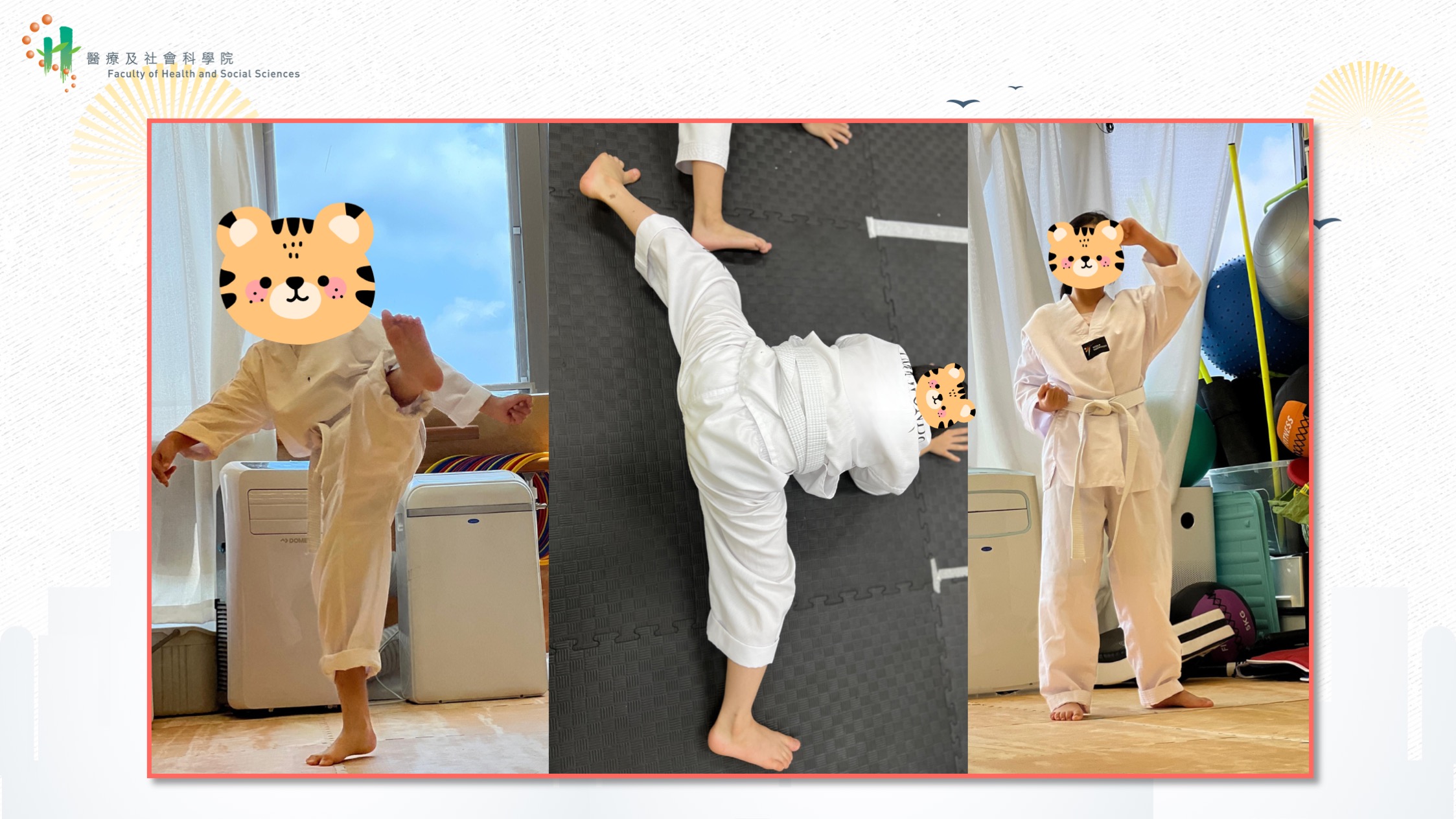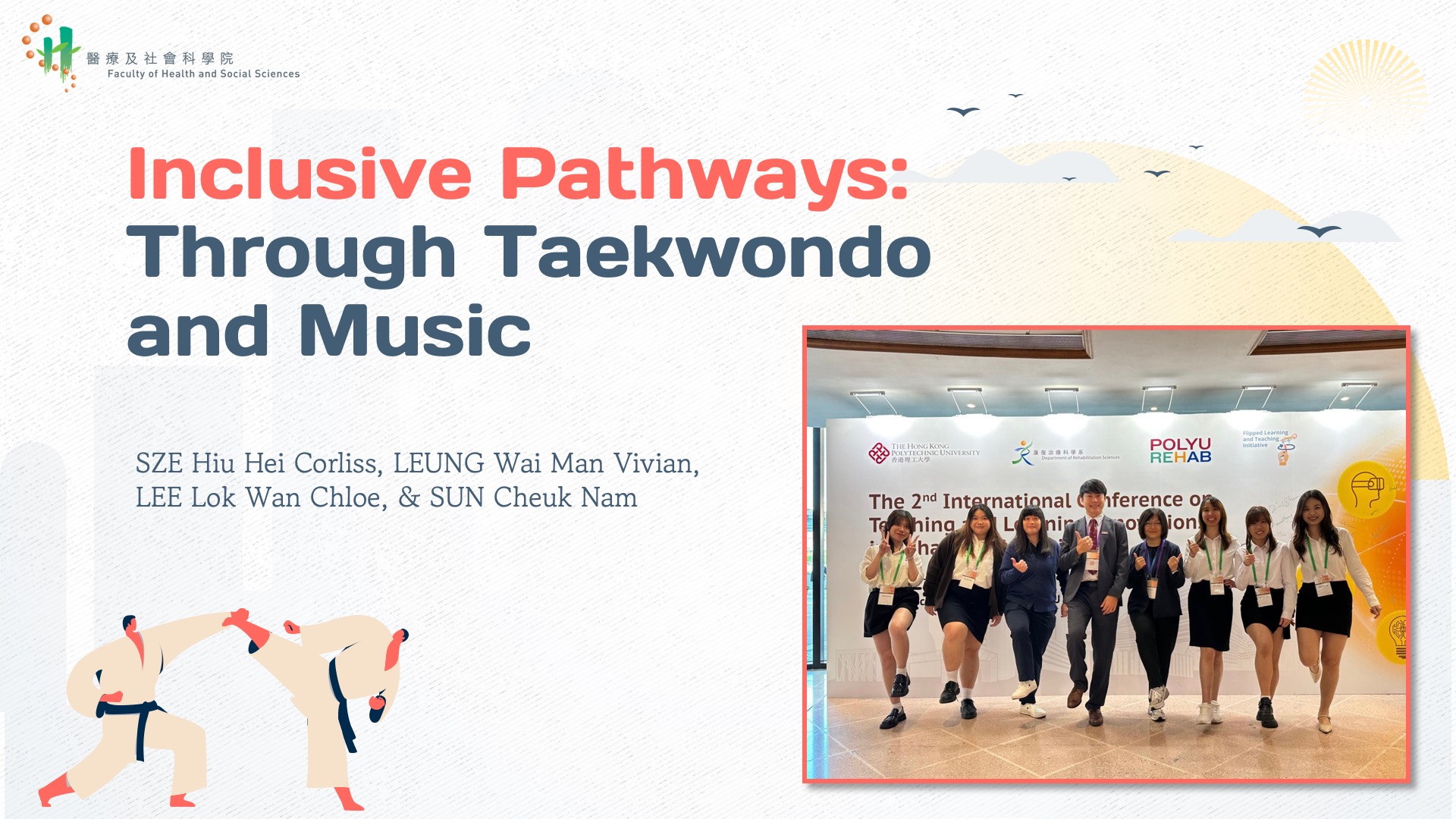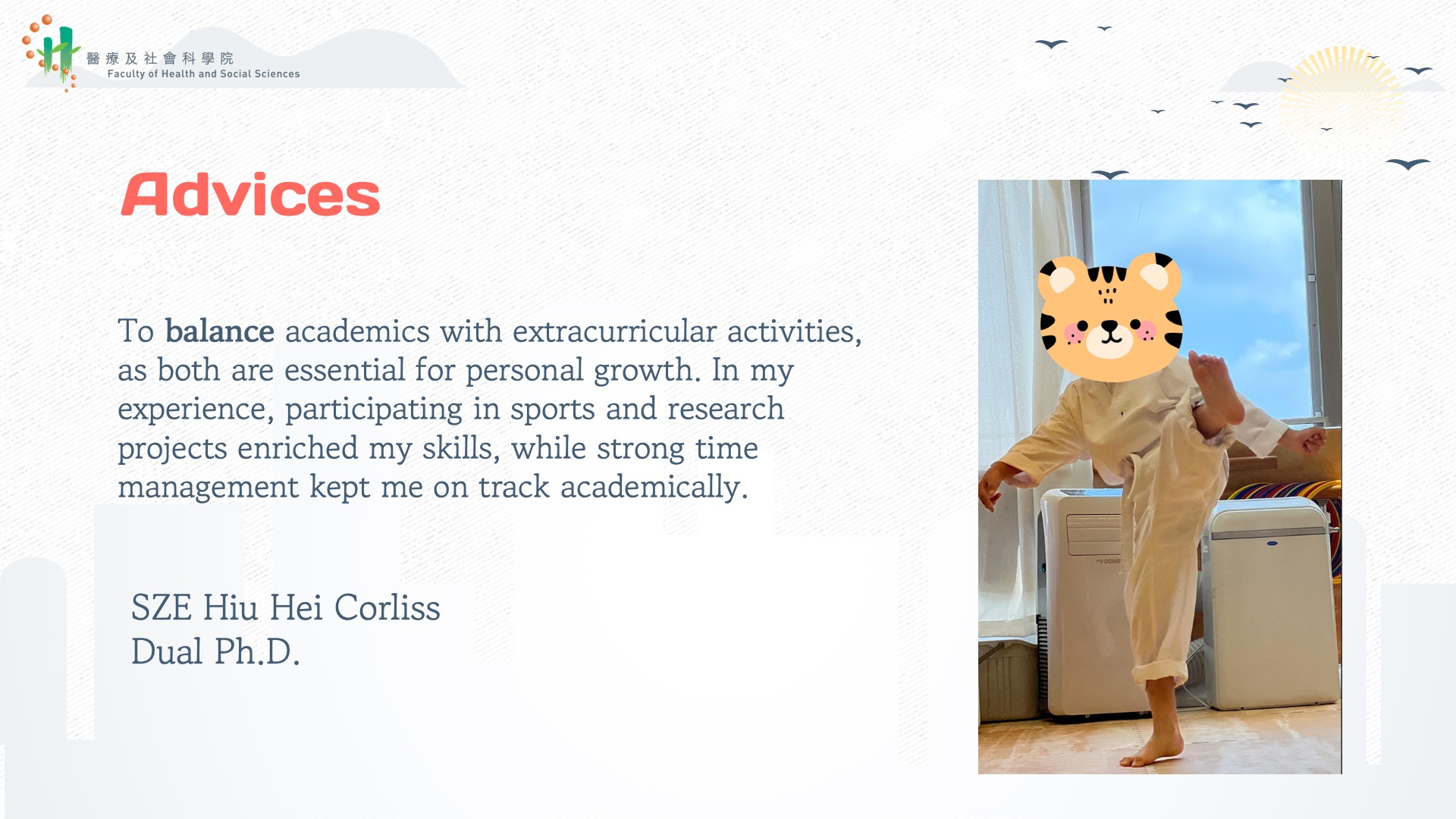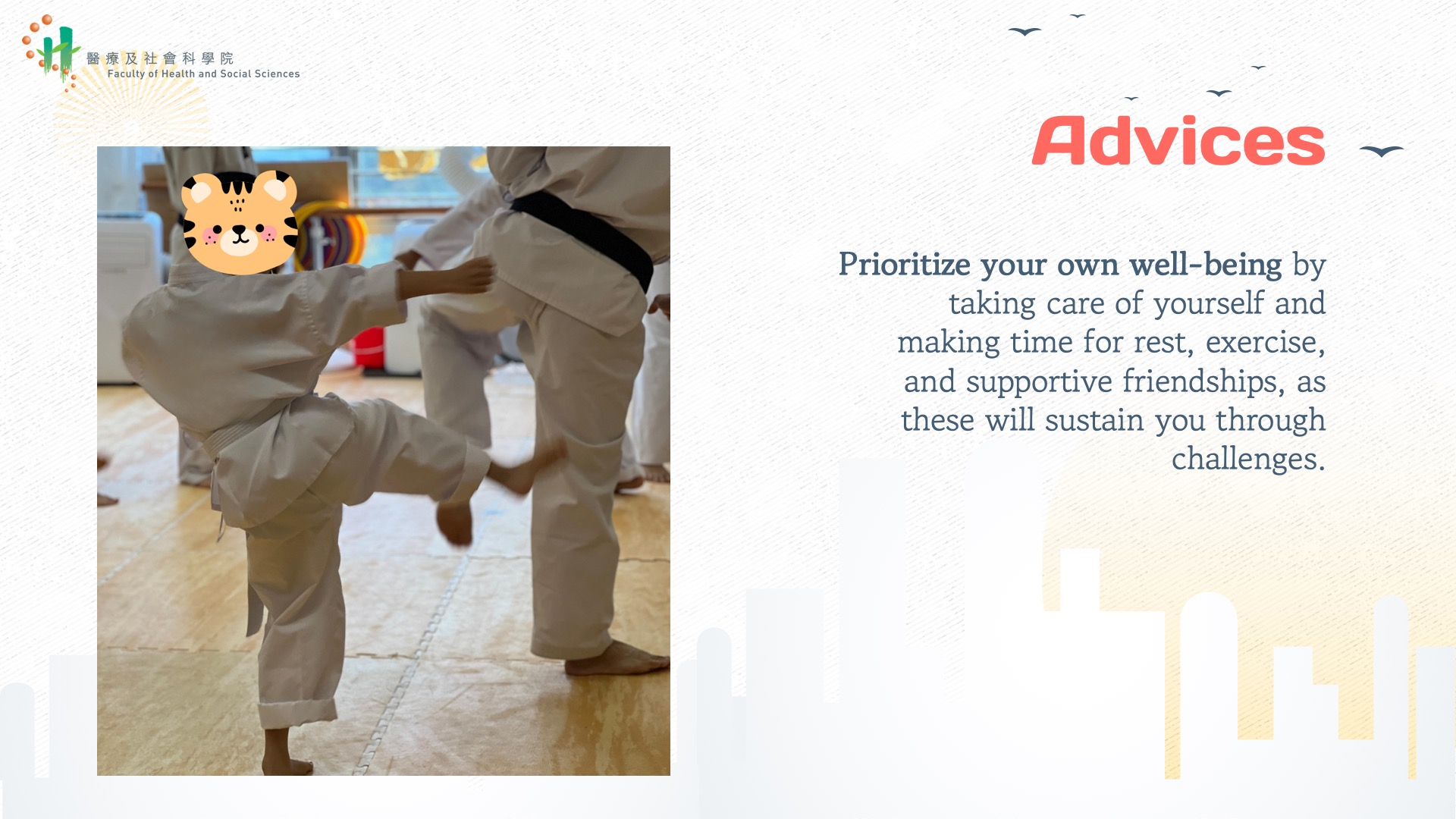



Corliss Sze’s team investigated whether Taekwondo, enhanced with music therapy, could foster social skills in children with Autism Spectrum Disorder. Involving 77 children aged 6–11, the 10‑week program delivered significant improvements, with music boosting engagement. Motivated by martial arts backgrounds and a vision for inclusion, the team created a structured, supportive environment.
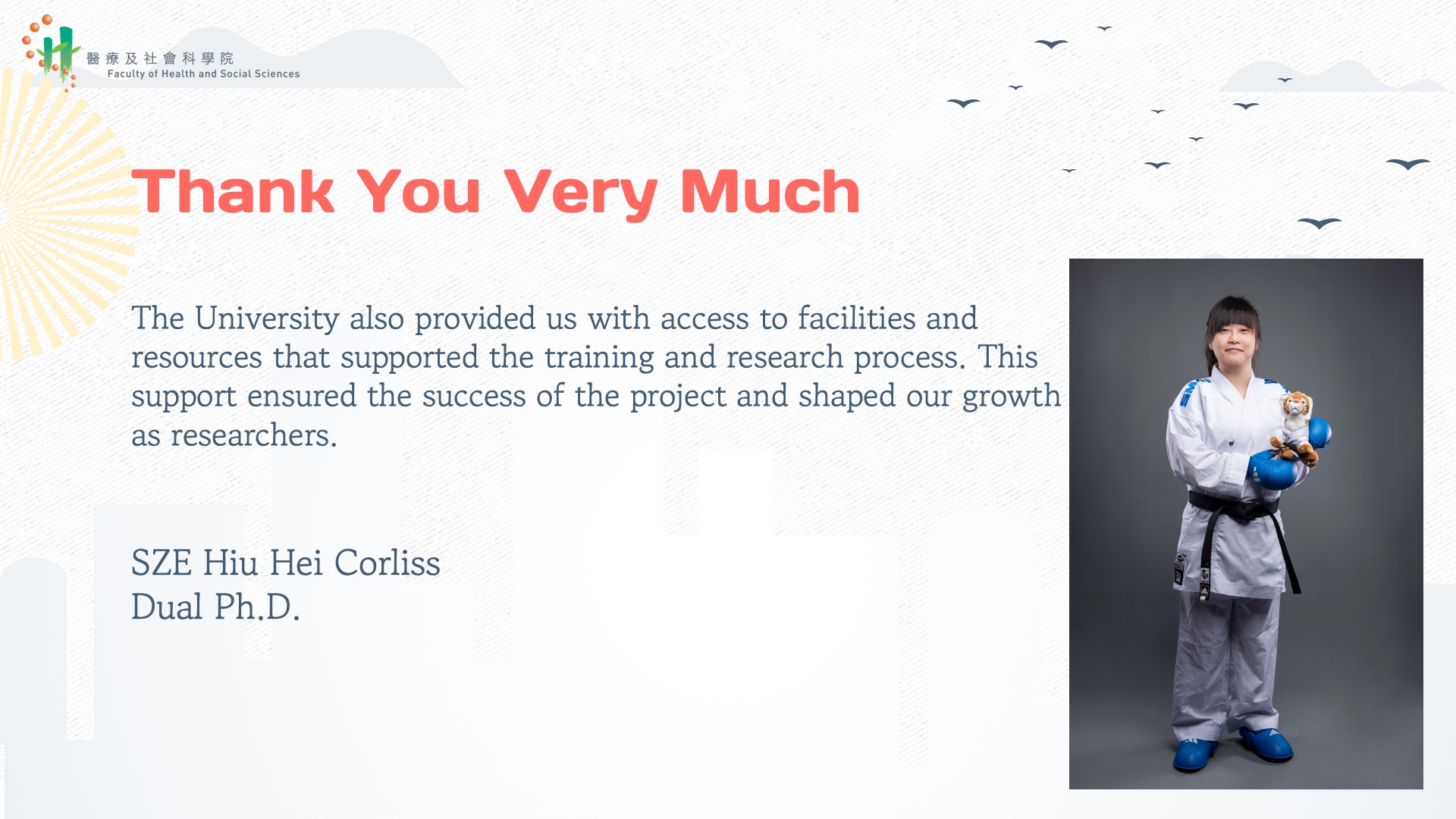
Challenges in time management and coordination tested their resilience, but support from PolyU professors and facilities ensured success. Corliss gained empathy, patience, and adaptive communication skills, learning to meet diverse needs. This project demonstrated how innovative, inclusive approaches can empower children, proving that research rooted in passion and collaboration can drive real‑world change.

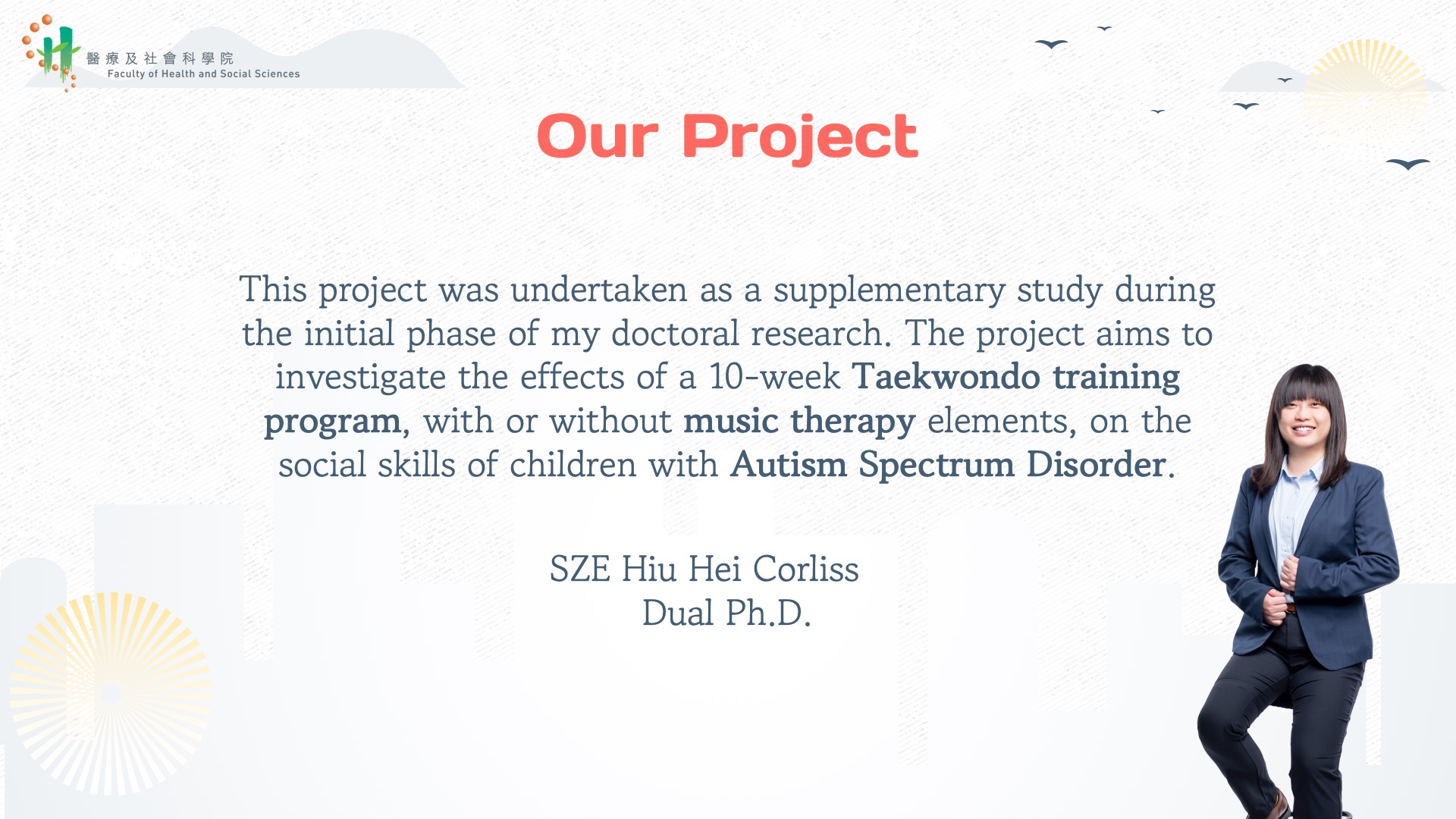
Ms. SZE Hiu Hei Corliss
Dual Ph.D.
Faculty of Health and Social Sciences
Department of Rehabilitation Sciences
Autism Spectrum Disorder (ASD) is a complex neurodevelopmental condition characterized by persistent challenges in social communication, interpersonal interaction, and restricted, repetitive patterns of behavior or interests. In clinical health sciences, understanding the neurobiology of ASD involves recognizing sensory processing sensitivities and difficulties in executive functioning, which frequently present as barriers to developing social skills in traditional, unstructured environments.
The project targeted a clinical pediatric cohort of 77 children aged 6–11 with ASD. Corliss recognized that traditional social and recreational settings often fail to accommodate the unique sensory and behavioral profiles of autistic children. By leveraging this understanding, the study designed a structured, supportive intervention tailored to bypass these barriers, aiming directly at improving the participants' social skills and behavioral adaptiveness.
In health and clinical sciences, a Randomized Controlled Trial (RCT) is the gold standard research design for evaluating the efficacy of a therapeutic intervention. By randomly allocating participants into experimental and control groups, researchers minimize selection bias and control for confounding variables. This allows for a mathematically sound, causal determination of whether a treatment produces a specific health or behavioral outcome.
Corliss’ study implemented a rigorous randomized controlled trial involving 77 children. The cohort was randomized into two distinct intervention arms: "Taekwondo training with music therapy elements" (the experimental group) and "Taekwondo training alone" (the active control group) over a 10-week period. This robust epidemiological design allowed the team to scientifically measure and compare the specific therapeutic value added by integrating music into physical therapy.
Exercise science and physical therapy utilize structured motor interventions to stimulate neuroplasticity and improve physiological and psychological health. Disciplines like martial arts (Taekwondo) involve repetitive, goal-directed physical movements that require balance, bilateral coordination, and spatial awareness. Clinically, this repetitive motor planning stimulates the cerebellum and prefrontal cortex, which can translate to improved self-regulation, cognitive control, and social behaviors in neurodivergent populations.
The team selected Taekwondo as a structured physical intervention. Recognizing that physical activity is a powerful mediator of mental and neurological health, they designed a 10-week martial arts curriculum. The systematic training served as a physical therapy tool, yielding "significant improvement in social skills performance among all participants" and proving that structured physical rehabilitation can foster cognitive and social development in children with ASD.
Music therapy is an evidence-based clinical health discipline that uses music interventions to address cognitive, emotional, and social needs. Neurologically, music stimulates multiple brain regions simultaneously—including the auditory cortex, limbic system (emotions), and motor cortex—promoting the release of dopamine and aiding in sensory integration and emotional regulation, particularly for individuals with sensory processing disorders.
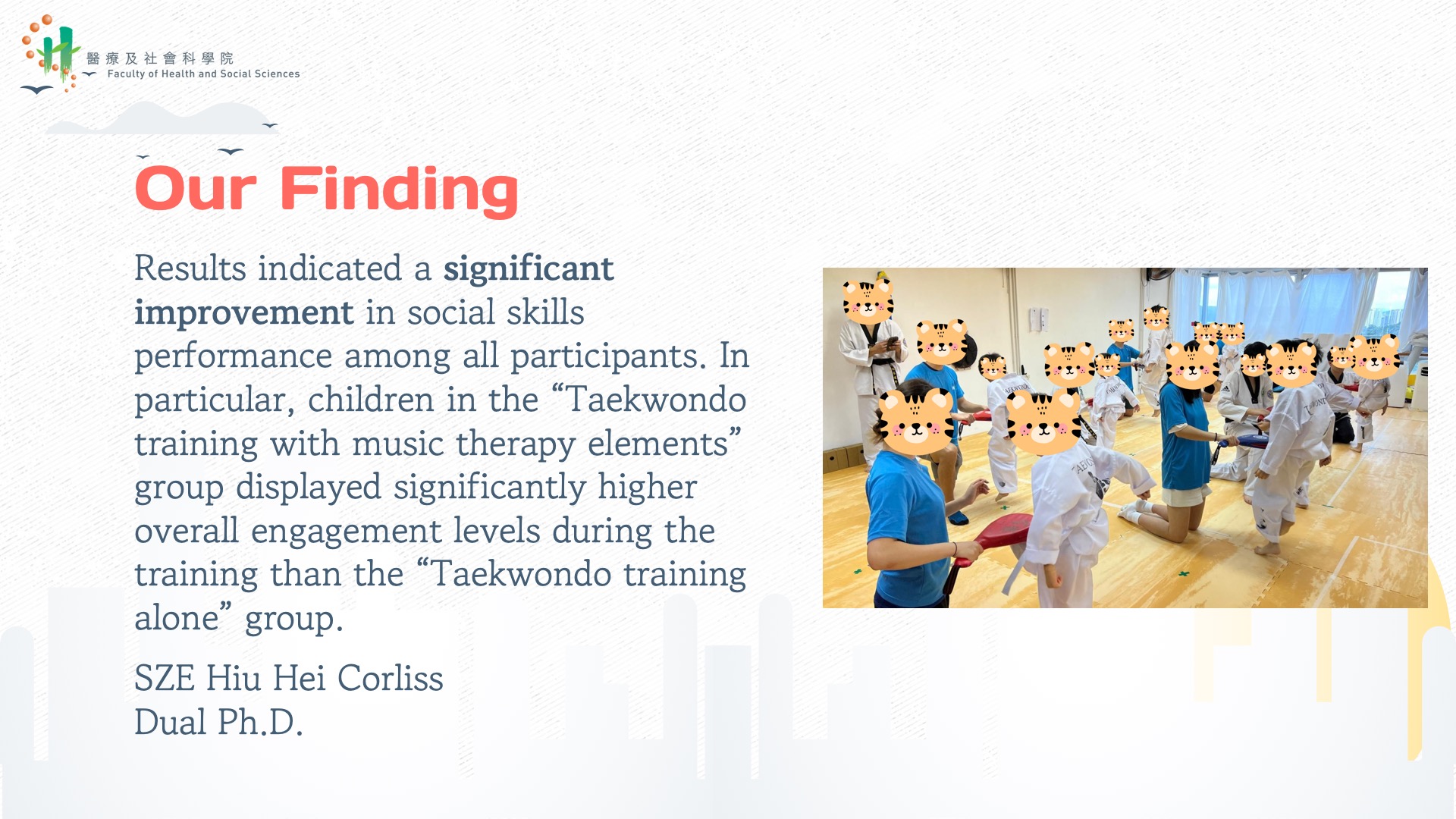
To address the emotional dysregulation and sensory avoidance often observed in children with ASD, the researchers innovatively integrated music therapy elements into the physical Taekwondo program. This multi-sensory approach resulted in children in the combined group displaying significantly higher overall engagement levels during the sessions. The health science synergy between auditory (music) and kinesthetic (Taekwondo) stimuli proved more therapeutically effective than motor training alone.
In pediatric health services, "Family-Centered Care" is a therapeutic framework that recognizes the vital role of families in the health and rehabilitation process. Effective therapeutic communication with neurodivergent pediatric populations requires clinicians to employ specialized, adaptive techniques (e.g., visual schedules, low-arousal vocal tones, and high empathy) while actively partnering with parents to ensure consistency, safety, and emotional comfort.
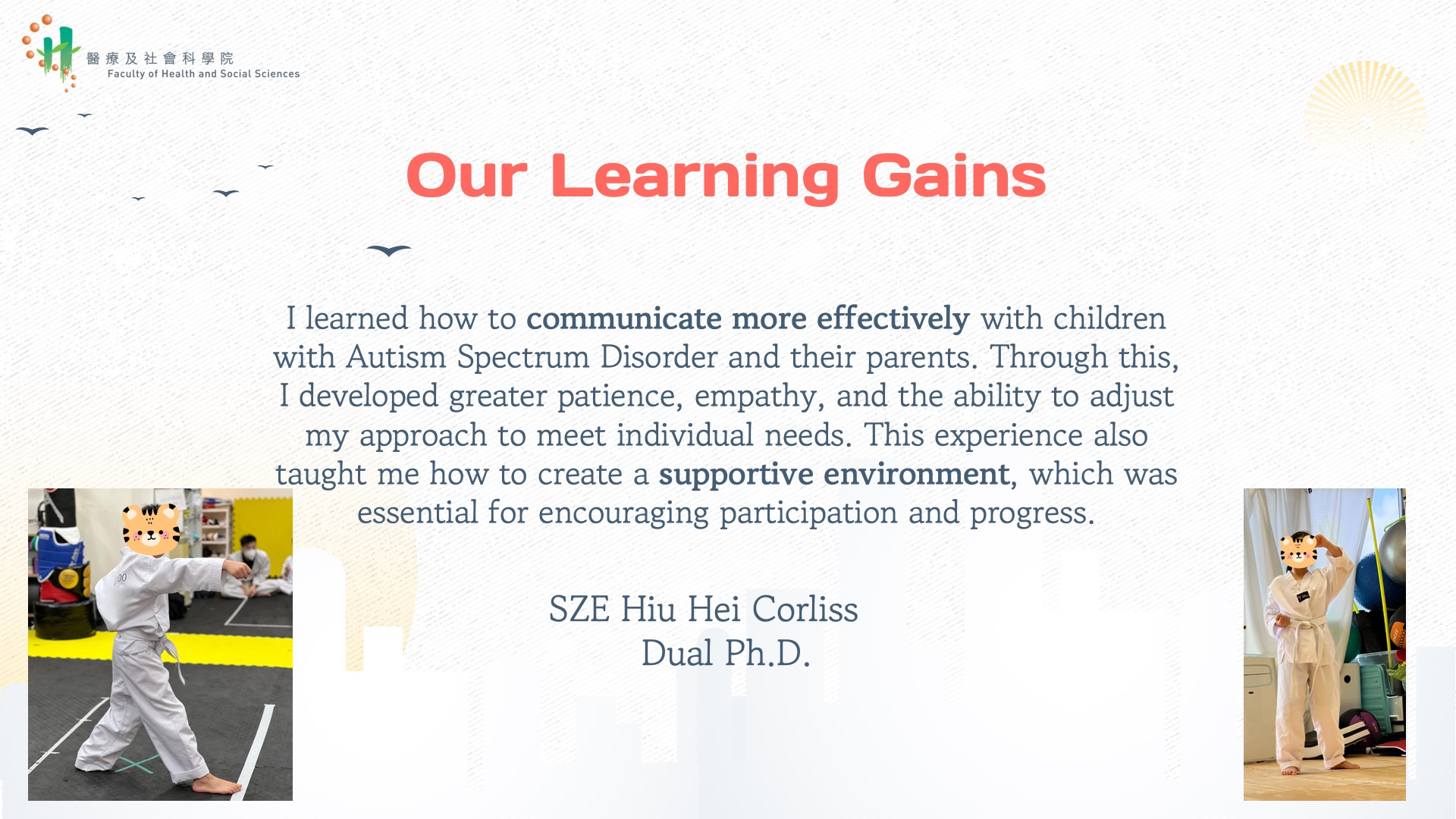
Corliss highlighted the acquisition of vital clinical soft skills during this project, specifically learning how to communicate more effectively with children with ASD and their parents. By developing clinical patience, empathy, and the ability to dynamically adjust communication styles to meet individual sensory and cognitive needs, Corliss established the "supportive environment" necessary to minimize distress and maximize pediatric participation, illustrating the practical application of family-centered health delivery.
Corliss executed a highly rigorous, evidence-based study to investigate novel ways of supporting child development and inclusion.
Corliss successfully coordinated and ran a randomized controlled trial (RCT) involving a large sample size of 77 children aged 6–11.
By tracking and comparing a "Taekwondo training with music therapy" group against a "Taekwondo training alone" group, the team generated empirical data proving that the integrated music approach significantly optimized engagement levels and improved social skills in children with ASD.
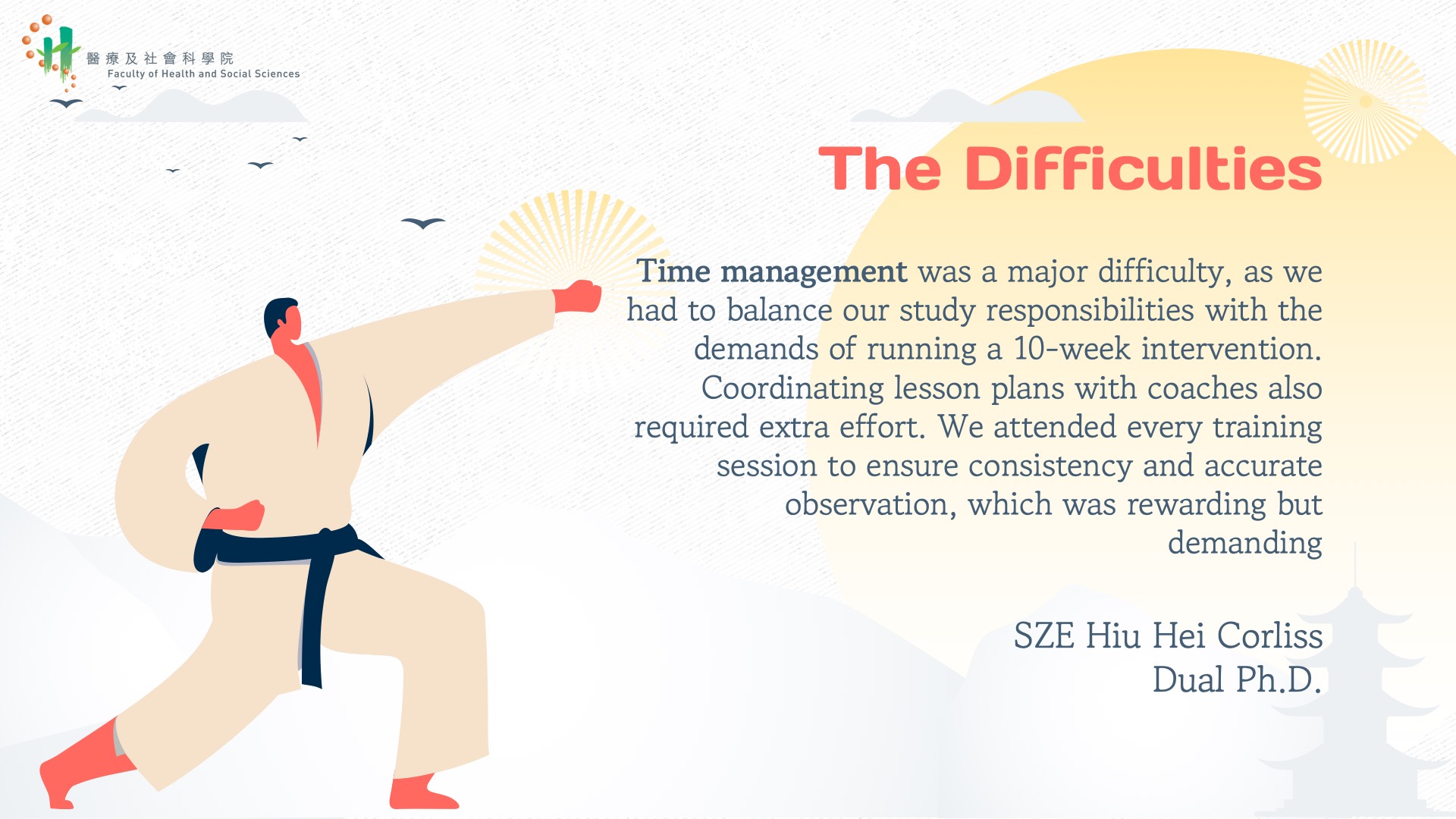
Managing a multi-week, live-action clinical intervention with children, coaches, and parents required exceptional organizational and coordination skills.
The researcher had to manage a tight timeline, balancing their rigorous doctoral study responsibilities with the operational demands of running a complex 10-week intervention program.
To ensure scientific accuracy and consistency, the student attended every single training session to coordinate lesson plans with coaches and gather precise observations, which "strengthened [their] skills in organization and collaboration."
The project was born from an innovative cross-disciplinary concept: merging physical martial arts with clinical music therapy to solve a social developmental barrier.
The team combined their personal backgrounds in martial arts with academic theories of child development.
Recognizing that traditional settings often fail to support the social skills of children with ASD, they creatively introduced music therapy elements into Taekwondo to enhance emotional regulation and engagement, creating a highly practical, motivating, and inclusive physical program.
Working with neurodivergent children required the researcher to be highly adaptive, sensitive, and emotionally intelligent in real time.
The student had to step away from rigid academic protocols and actively adjust their communication styles to meet the unique, individualized needs of each child with ASD and their parents.
They embraced the challenge of creating a supportive, non-threatening environment, which required constant patience and empathy to encourage active participation from children who struggle in traditional social settings.
The researcher highlighted that some of their most significant learning gains were centered around specialized, empathetic communication.
The student mastered how to "communicate more effectively with children with Autism Spectrum Disorder and their parents," building a bridge of trust between the researchers, coaches, and families.
Developing these soft communication skills enriched the researcher's overall capacity to collaborate with and advocate for diverse, vulnerable, and underserved communities in their future academic and research career.
The pursuit of knowledge is a lifelong journey! To further expand your knowledge and continue your personal and professional growth. Click and explore the following learning resources:
Decentralized Multi-Agent System
Automated Software Engineering