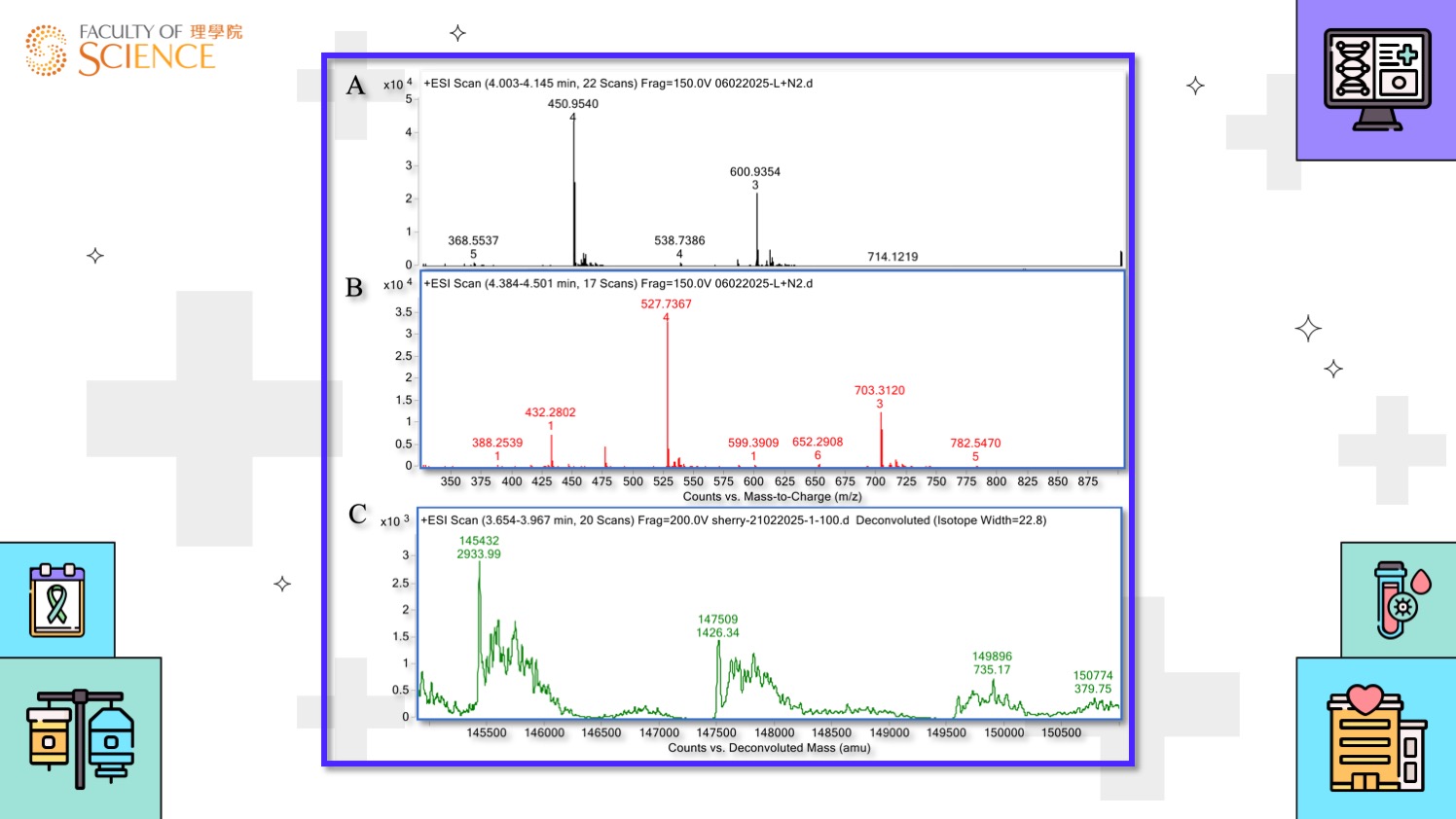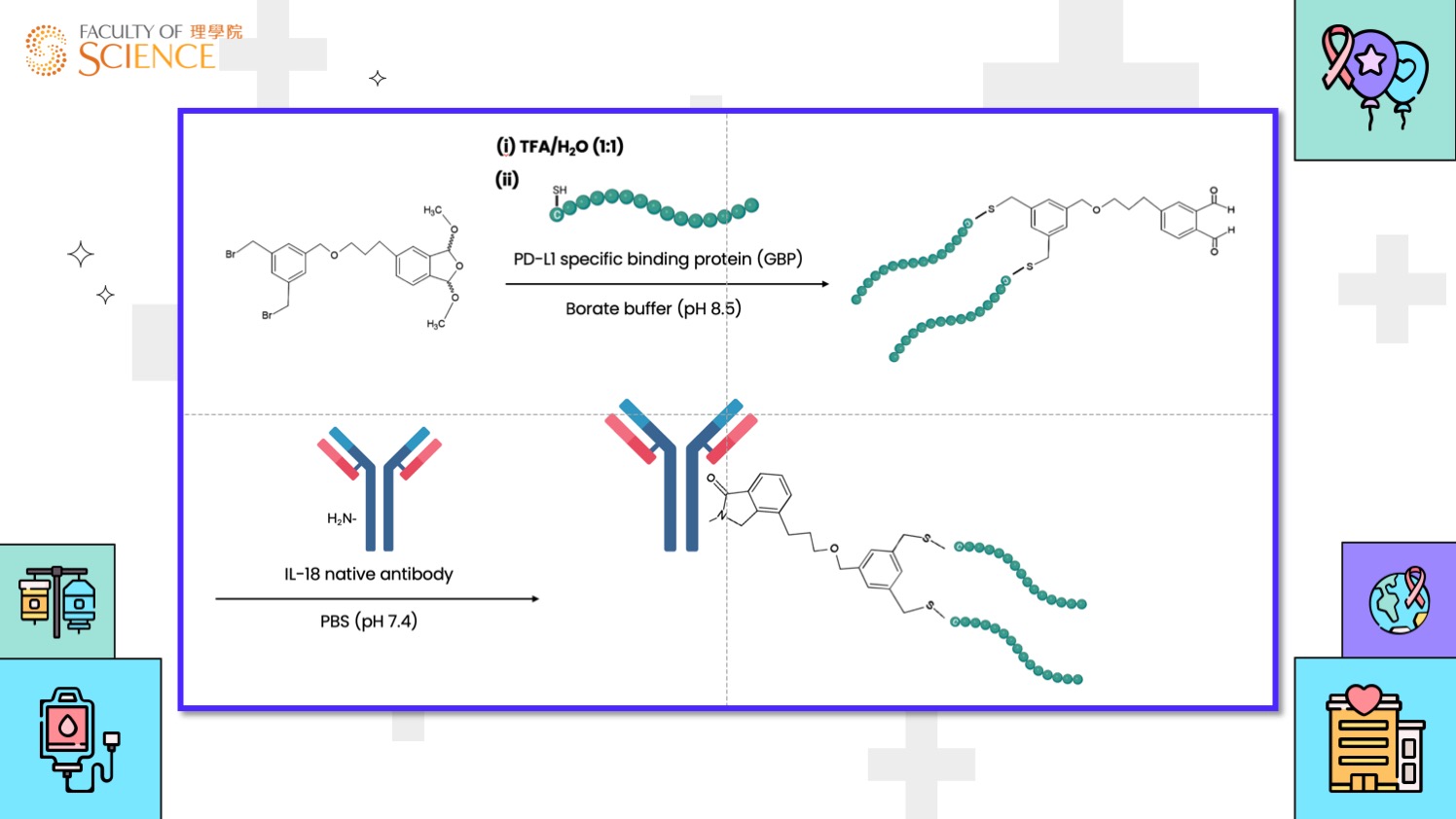



Vivian Qin’s research aimed to improve outcomes for Hepatocellular Carcinoma (HCC) patients who do not respond to PD-1 immunotherapy. She developed a bispecific antibody targeting PD-L1 and IL-18, motivated by patient data showing these molecules’ role in resistance. Vivian encountered difficulties in antibody formation, but with her supervisor’s support and PolyU’s resources, she improved the binding ratio from 20% to 46%.
The project provided valuable hands-on experience in mass spectrometry and antibody design, and taught Vivian to persist through setbacks. She developed patience, problem-solving skills, and the ability to collaborate effectively—qualities vital for success in biotech. Although the project continues in her supervisor’s lab, Vivian’s journey transformed her theoretical knowledge into practical expertise and gave her confidence to face future challenges in academia and industry.
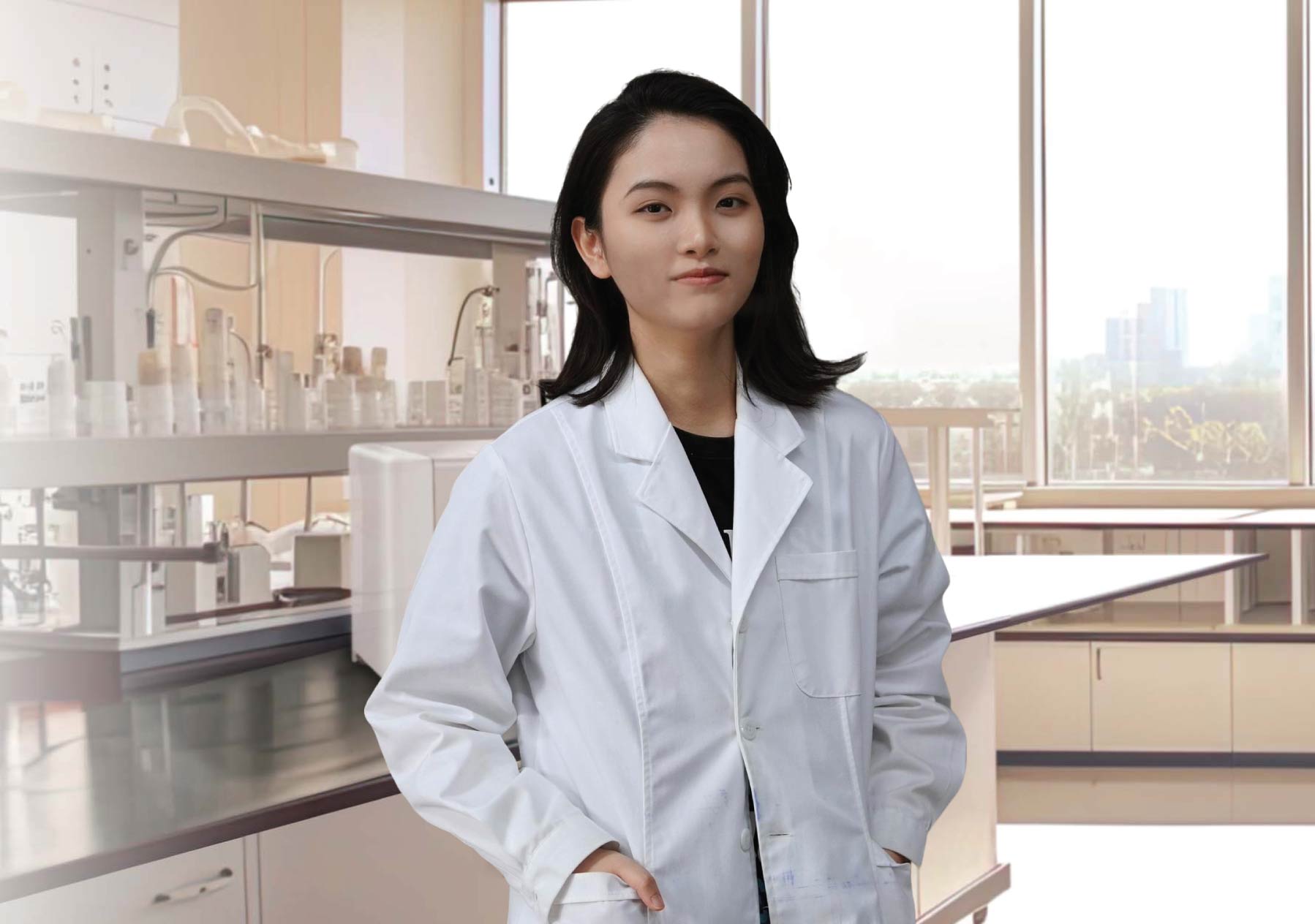
Ms.QIN Shengjia Vivian
Faculty of Science
Department of Applied Biology and Chemical Technology
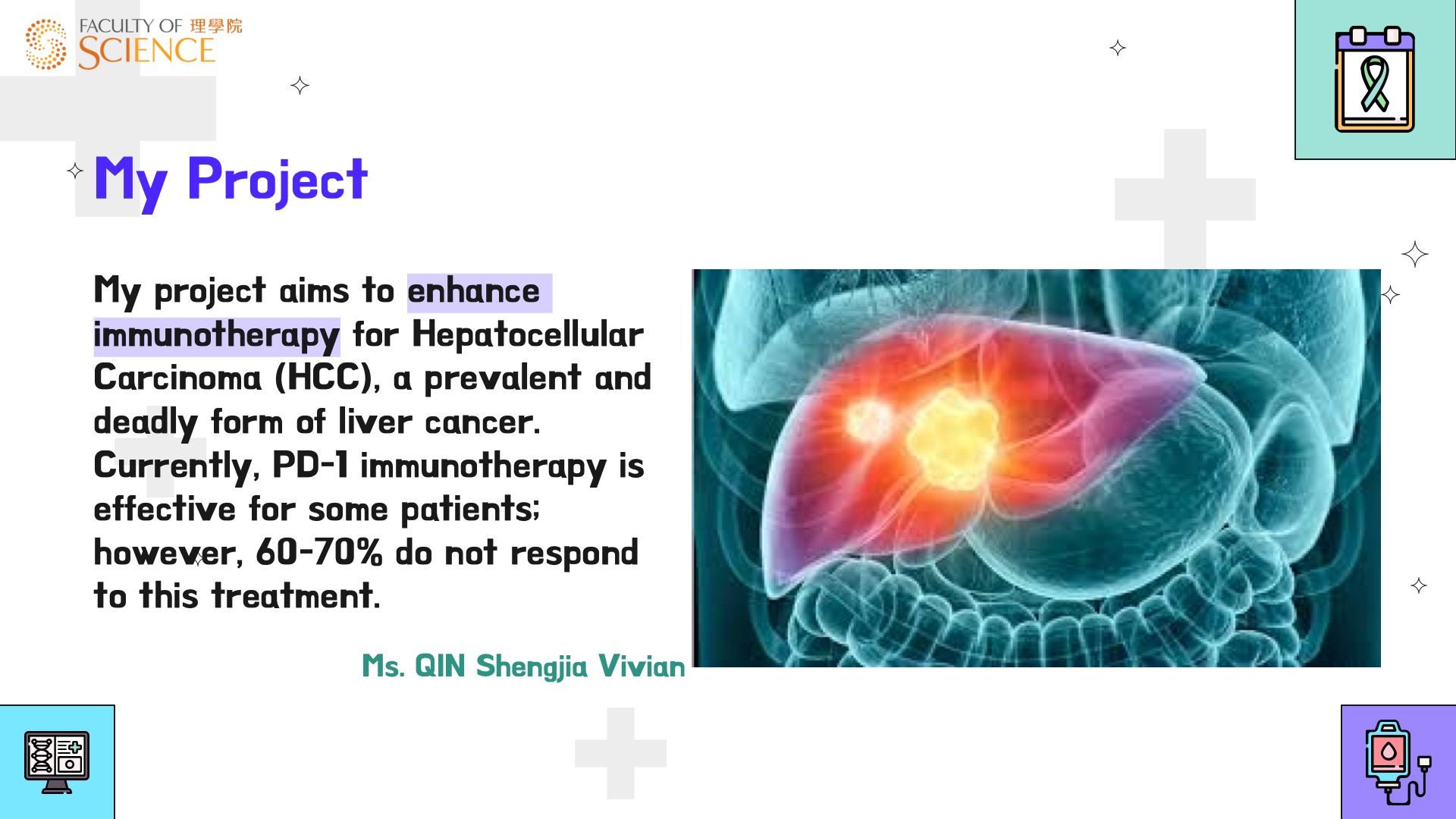
Vivian deepened her knowledge of HCC, learning that it is a prevalent and deadly form of liver cancer with high incidence and low survival rates, especially in East Asia and Africa. She recognized the global health burden it poses and the urgent need for more effective treatments, especially for patients diagnosed at advanced stages.
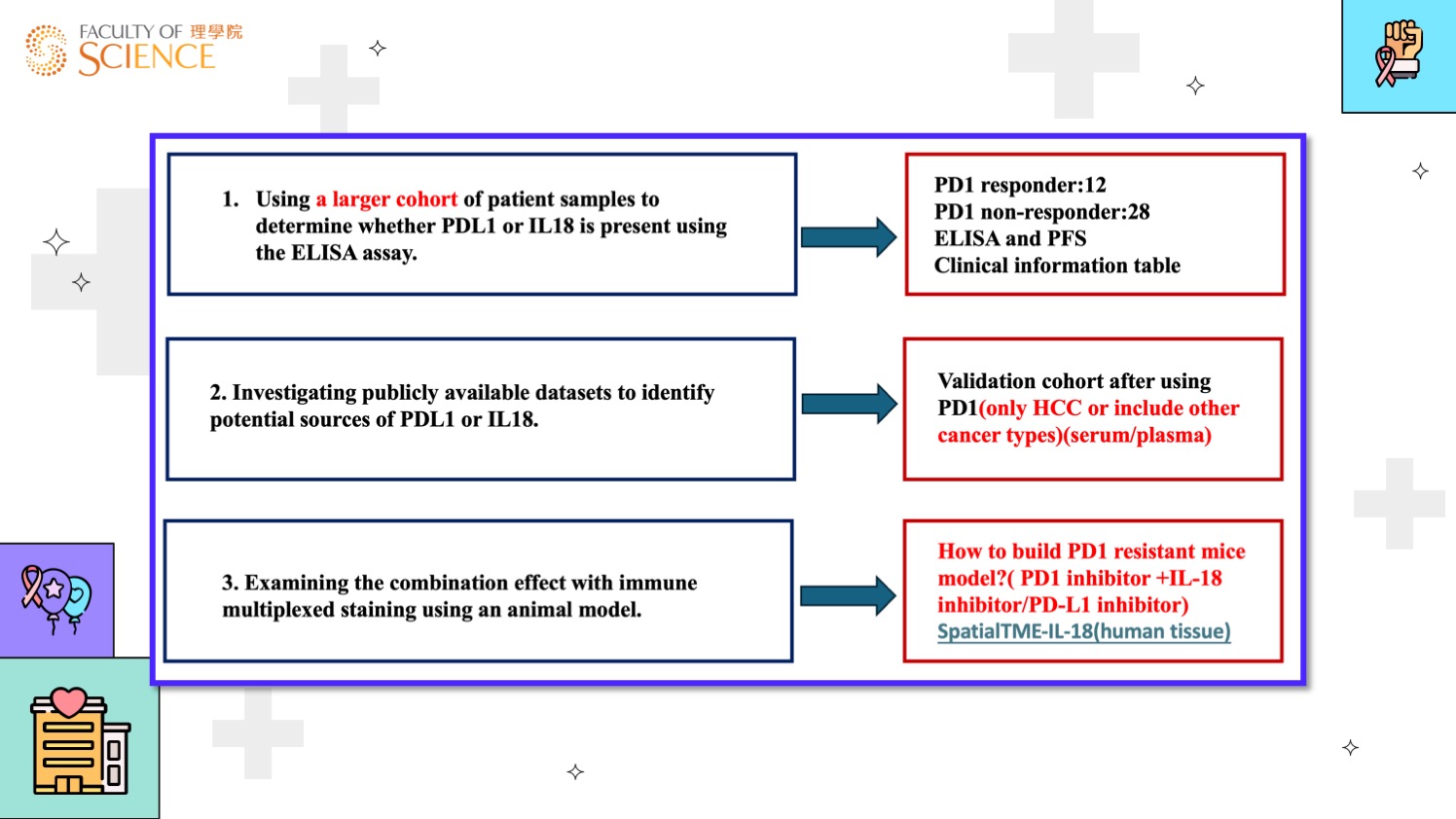
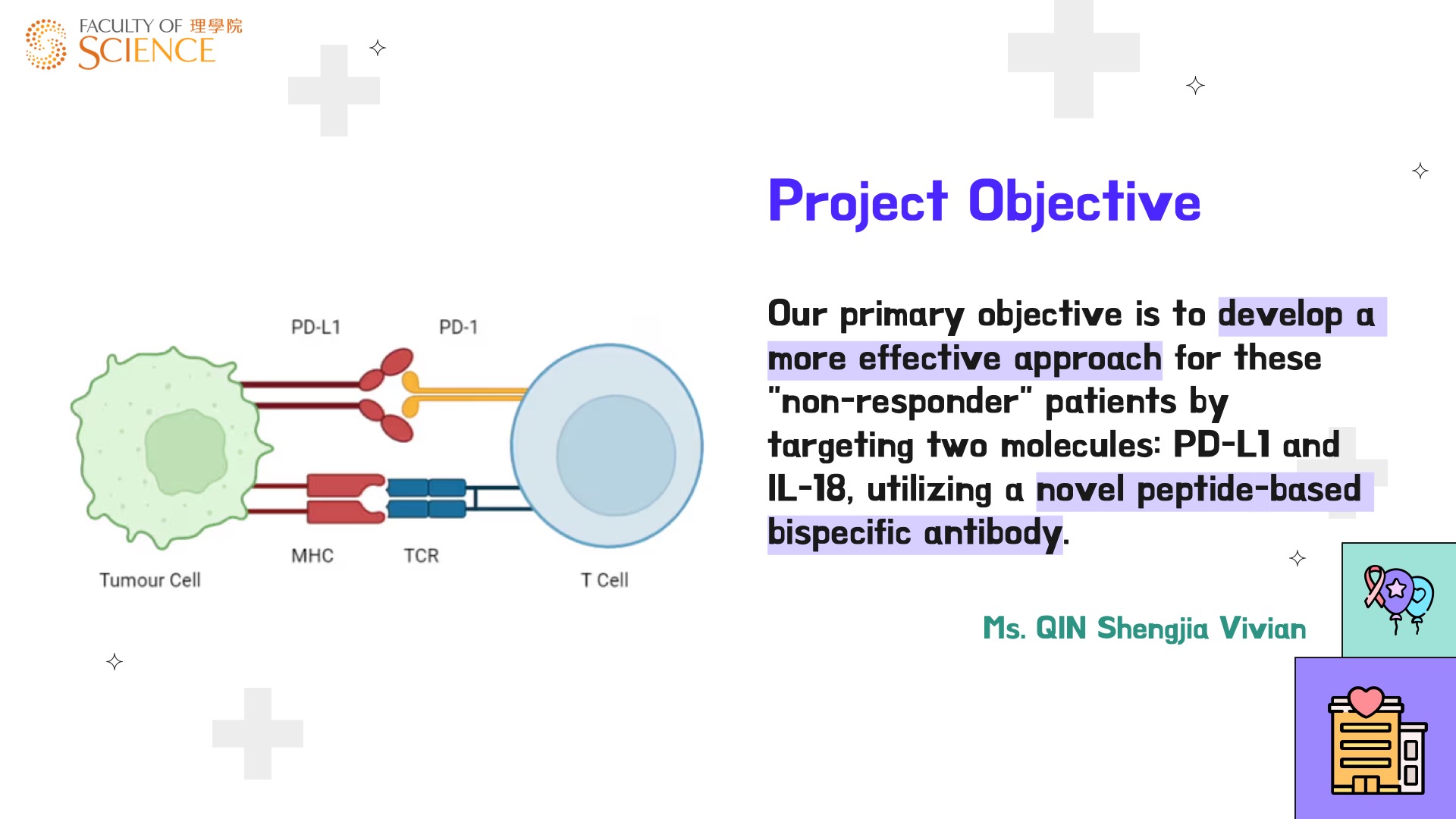
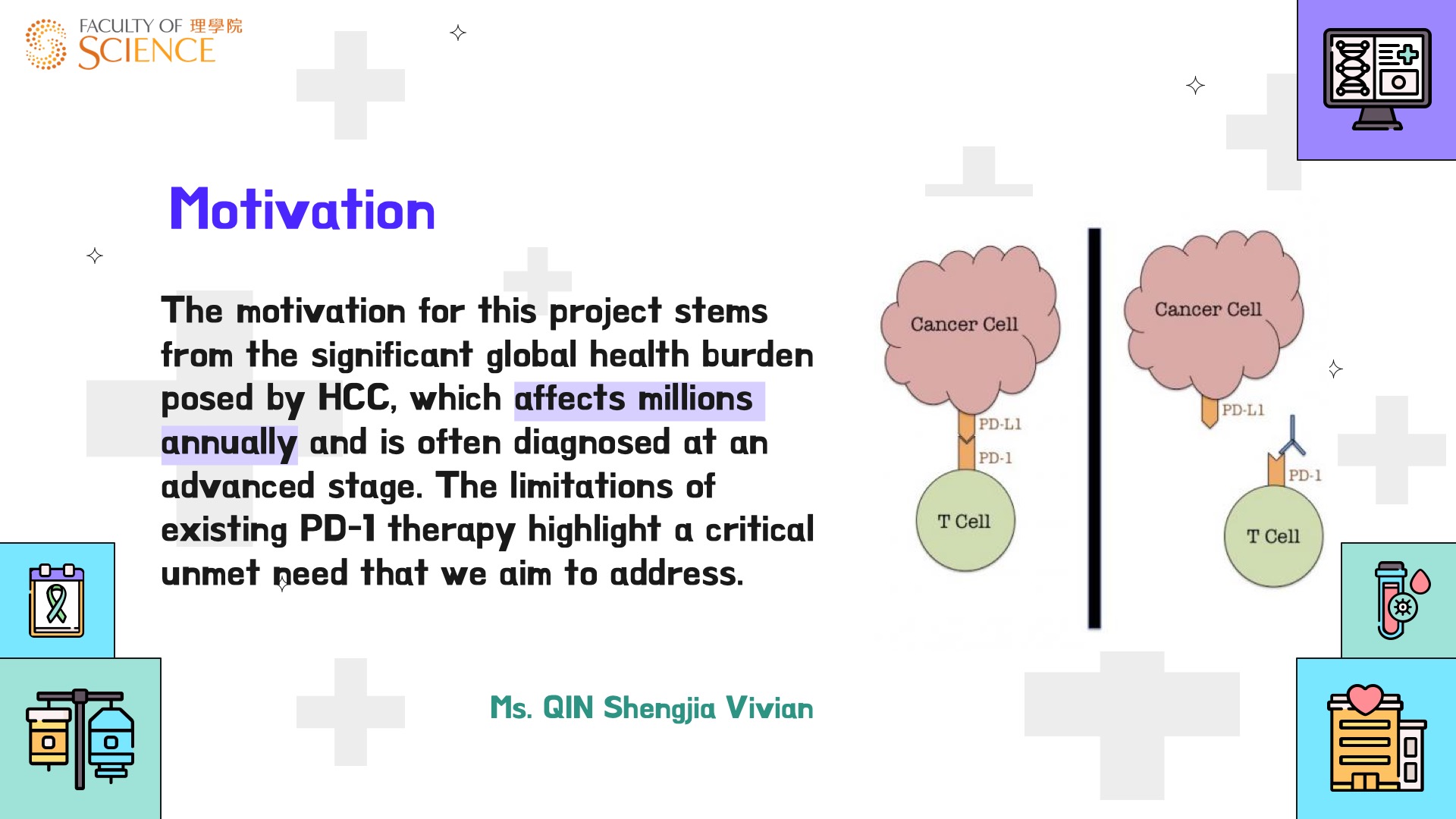
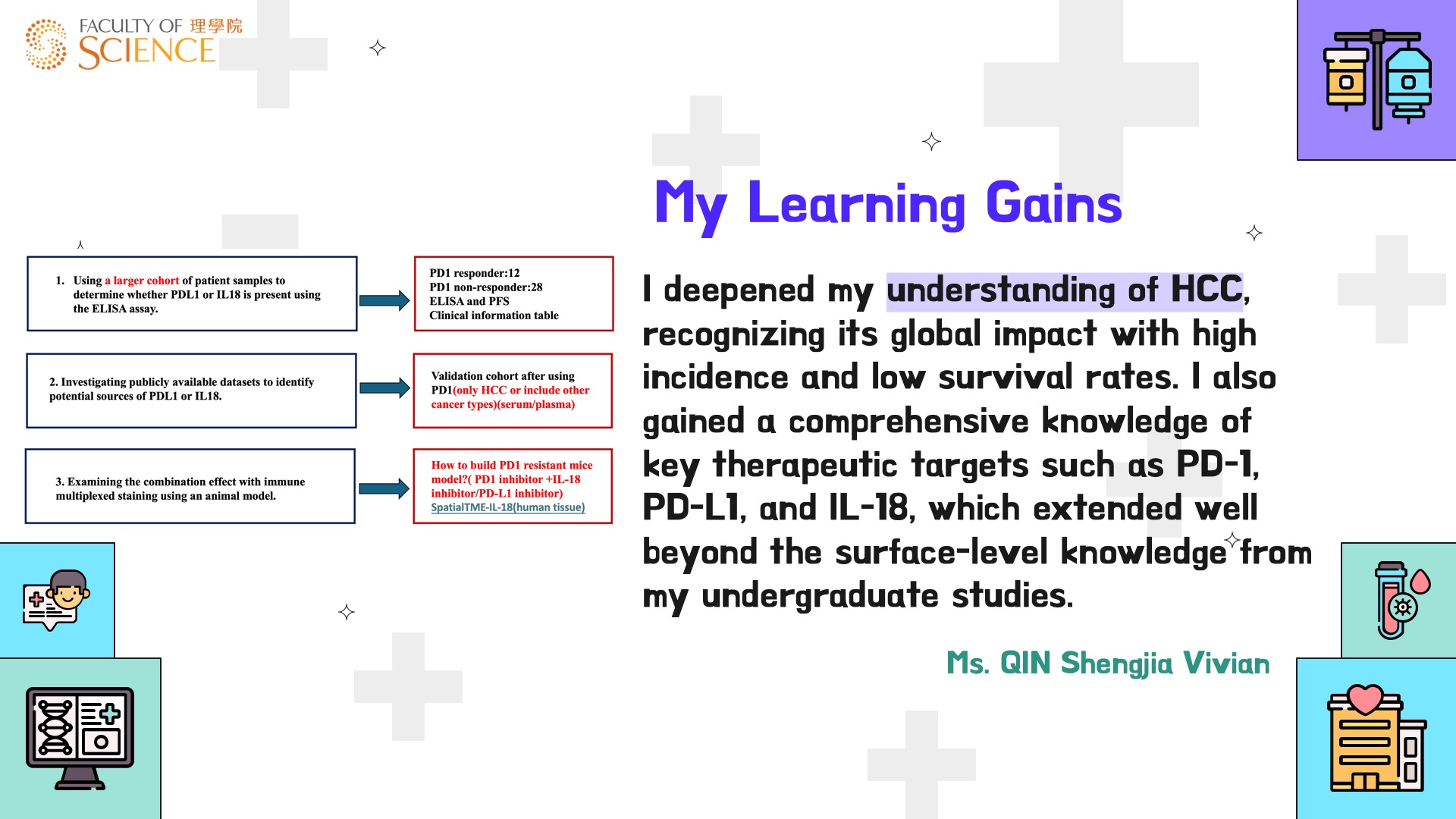
Vivian gained comprehensive knowledge about immunotherapy, particularly the PD-1 pathway. Vivian learned that while PD-1 immunotherapy can be effective, 60-70% of HCC patients do not respond. She also understood the roles of PD-L1 and IL-18 as molecules associated with therapy resistance and poor outcomes, and why targeting them could be a promising strategy.
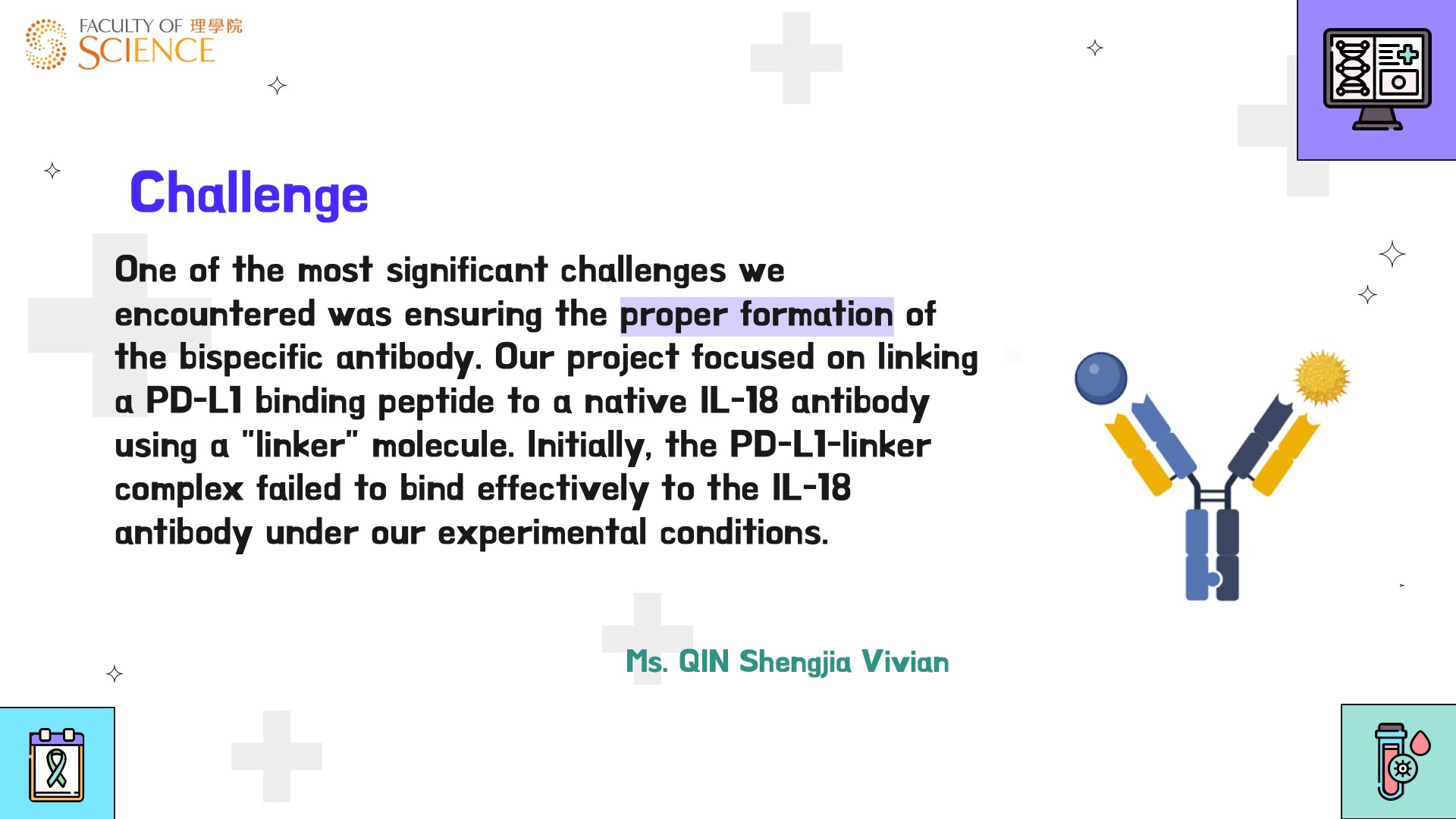
Vivian acquired practical knowledge in designing and optimizing bispecific antibodies. She learned about linking a PD-L1 binding peptide to a native IL-18 antibody using a linker molecule, and the importance of optimizing reaction conditions (like concentration and incubation time) to improve the binding ratio and efficacy of the engineered antibody.
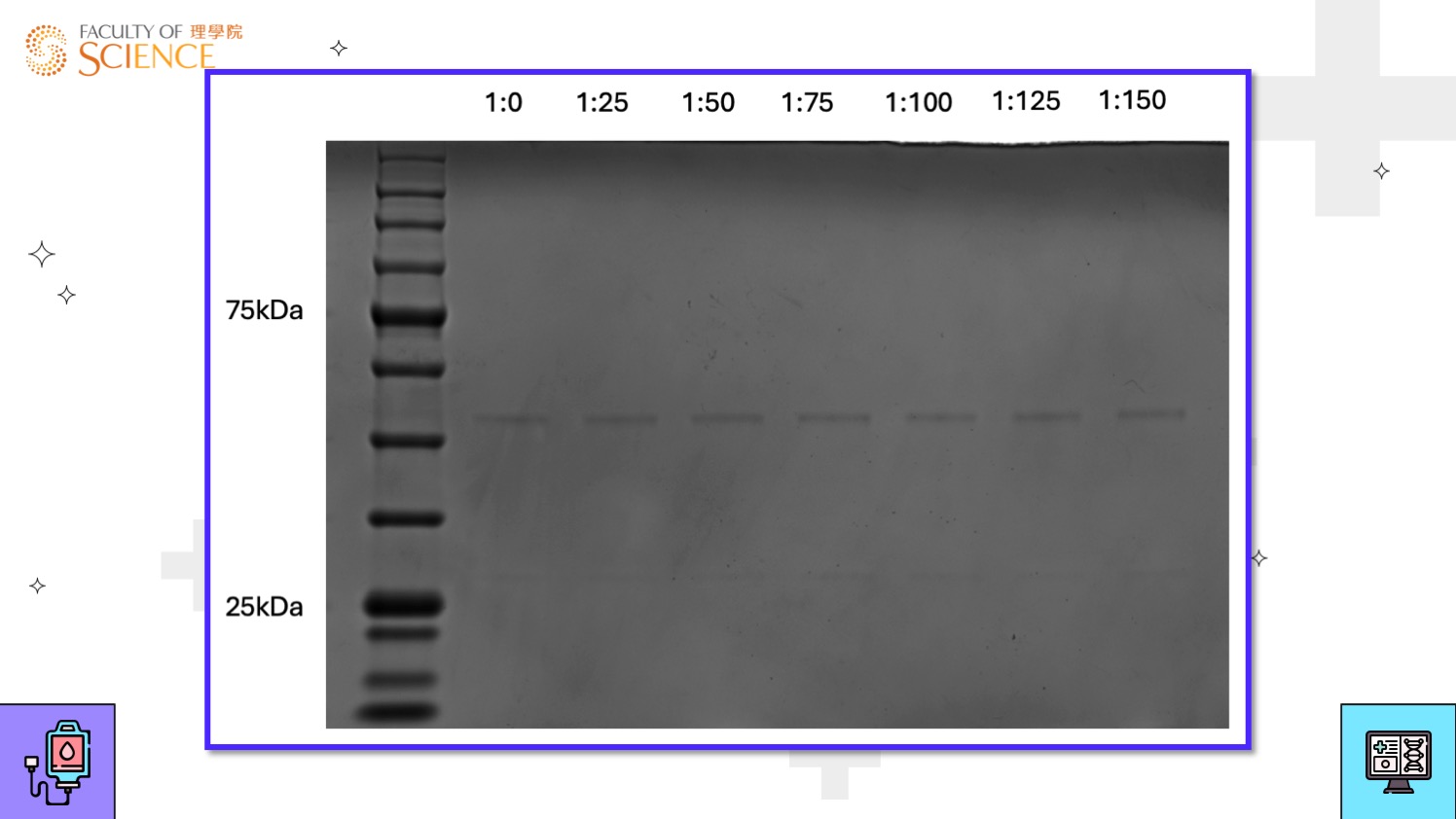
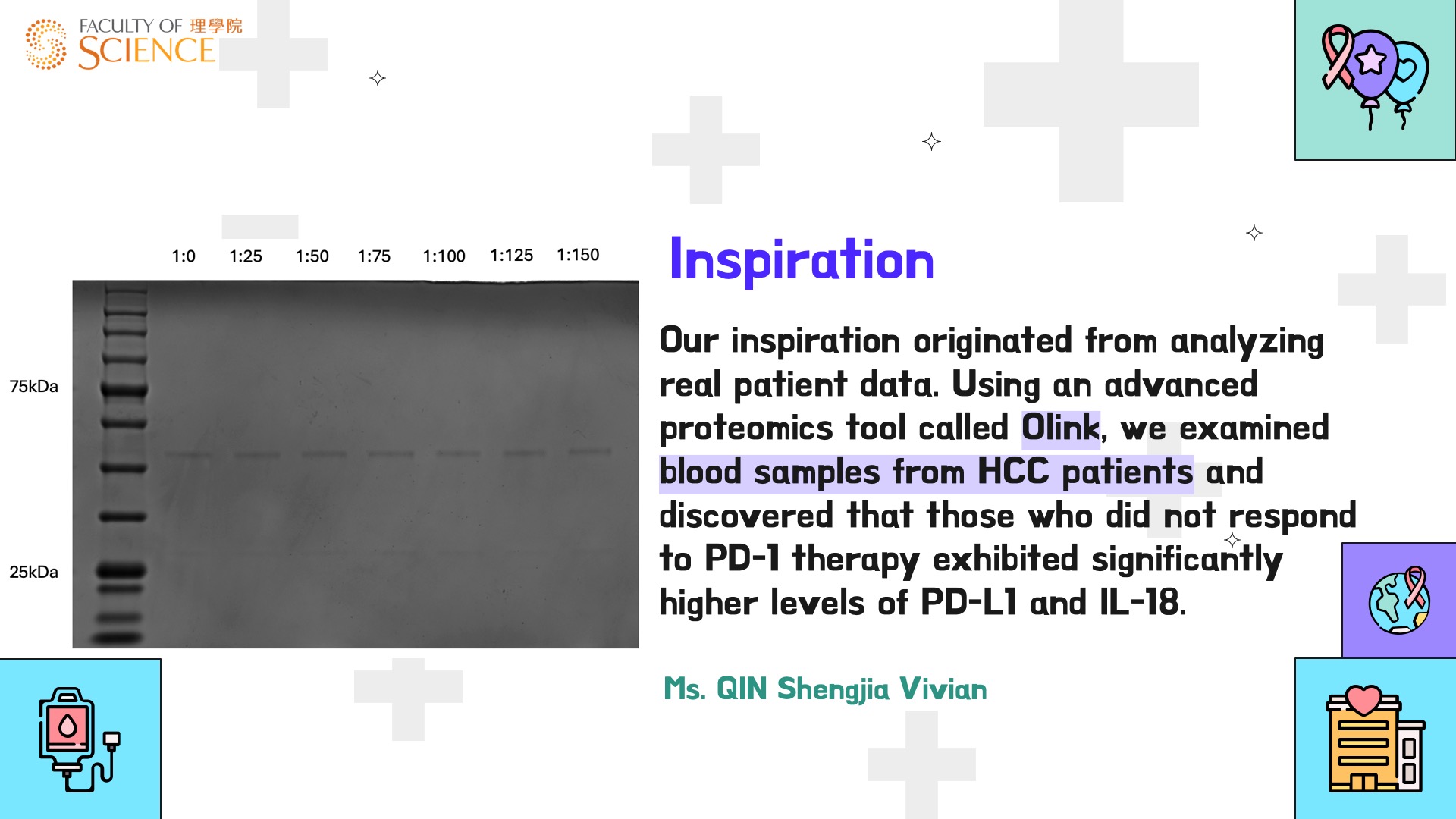
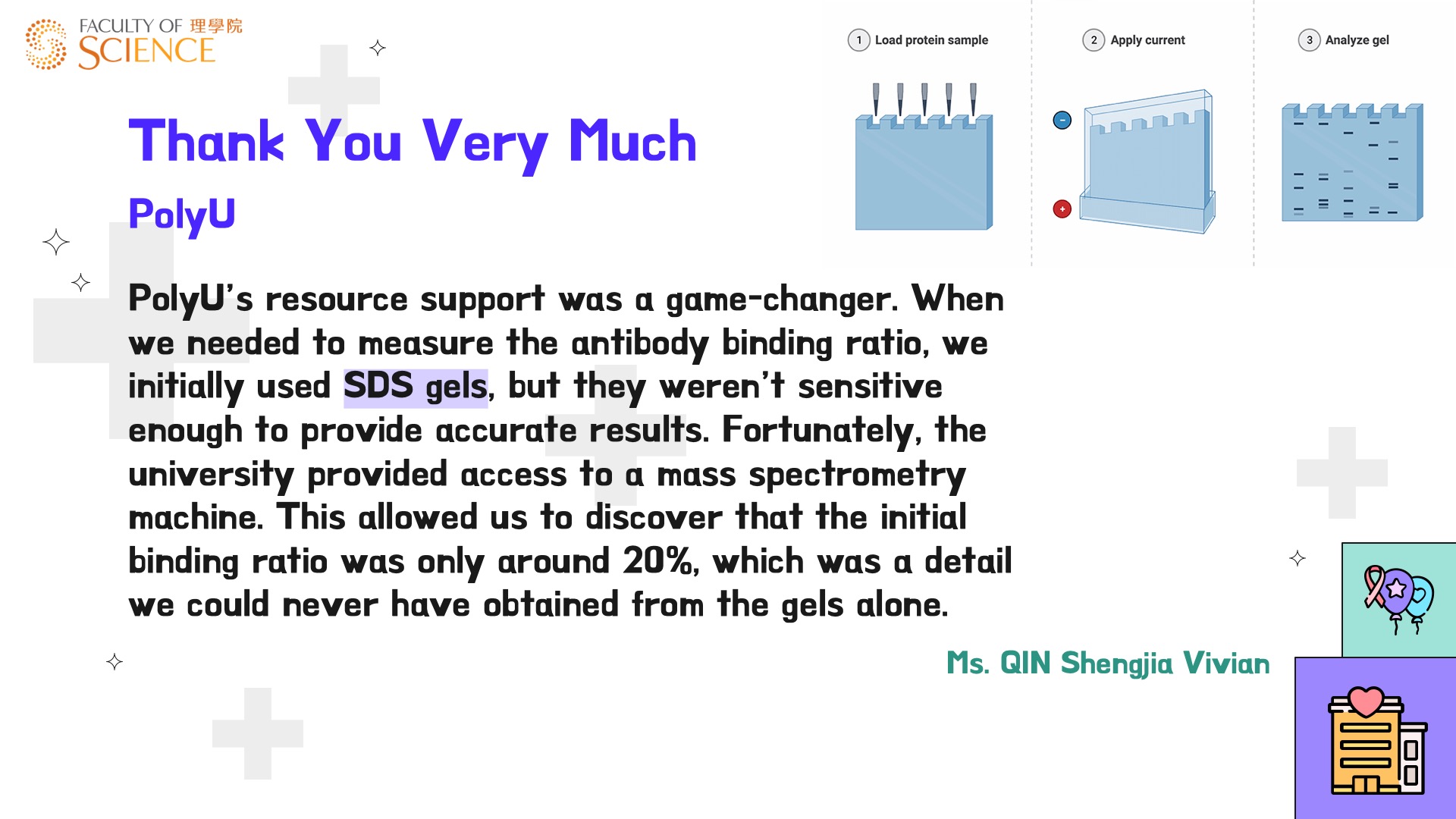
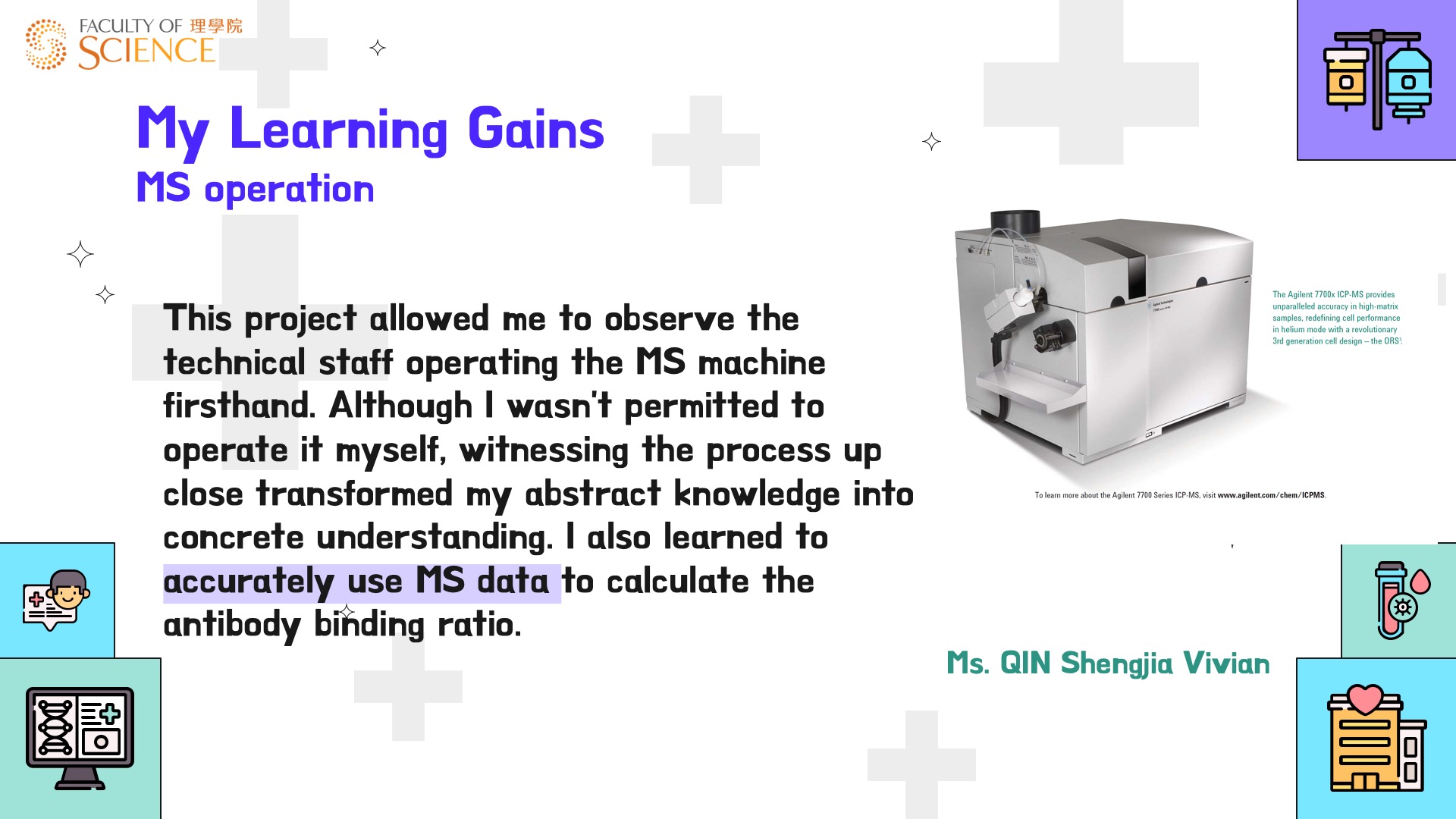
Her project introduced her to advanced proteomics tools, such as Olink, for analyzing patient blood samples. She also gained hands-on experience with mass spectrometry, learning how it provides more sensitive and accurate measurements than SDS gels, and how to use MS data to calculate antibody binding ratios—transforming theoretical knowledge into practical skills.
Vivian learned to design experiments, troubleshoot technical issues, and analyze complex data. She understood the importance of adjusting experimental variables (like solution concentration and incubation time) and interpreting survival analysis data to draw meaningful conclusions about therapeutic targets and patient outcomes.
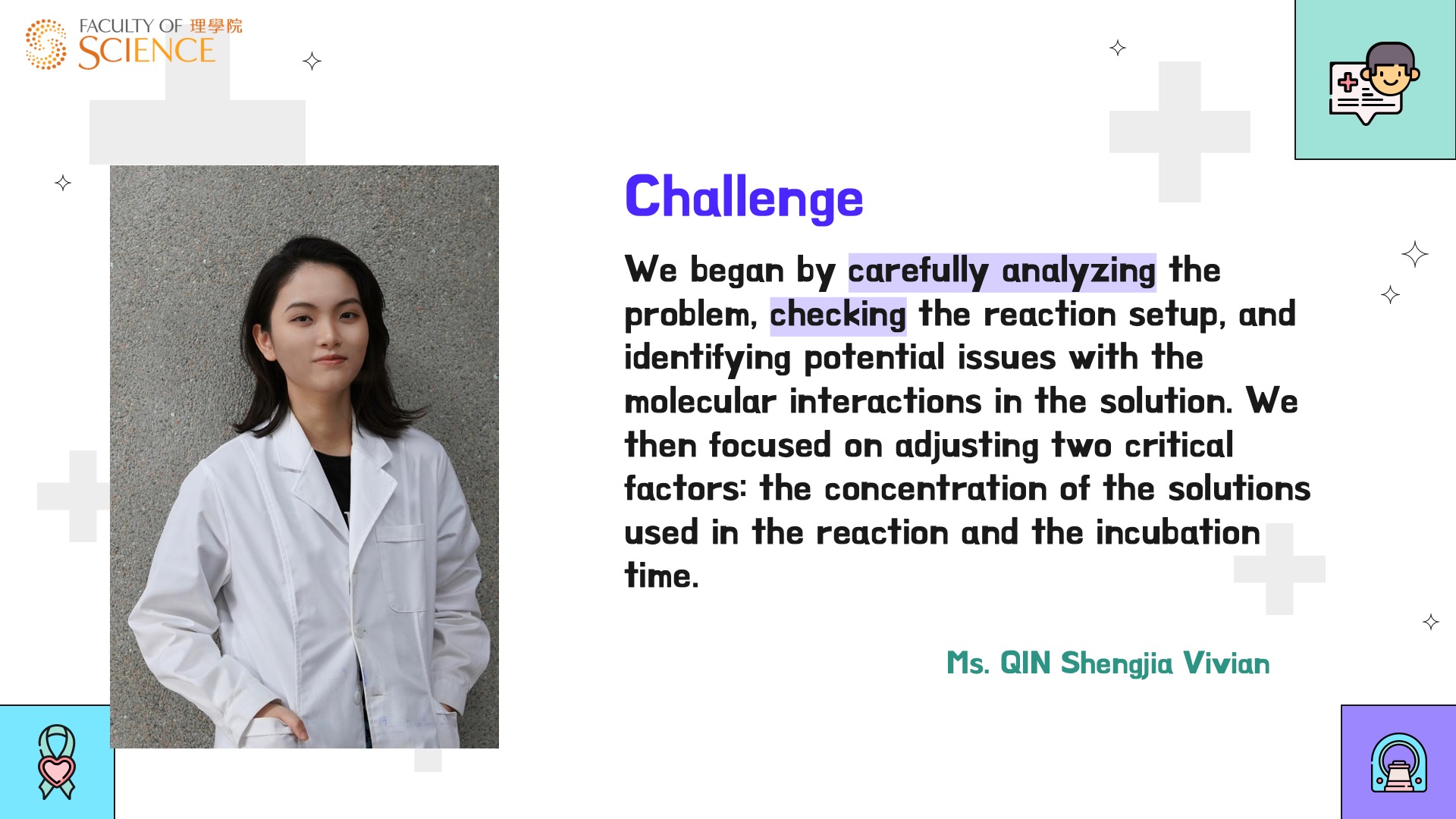
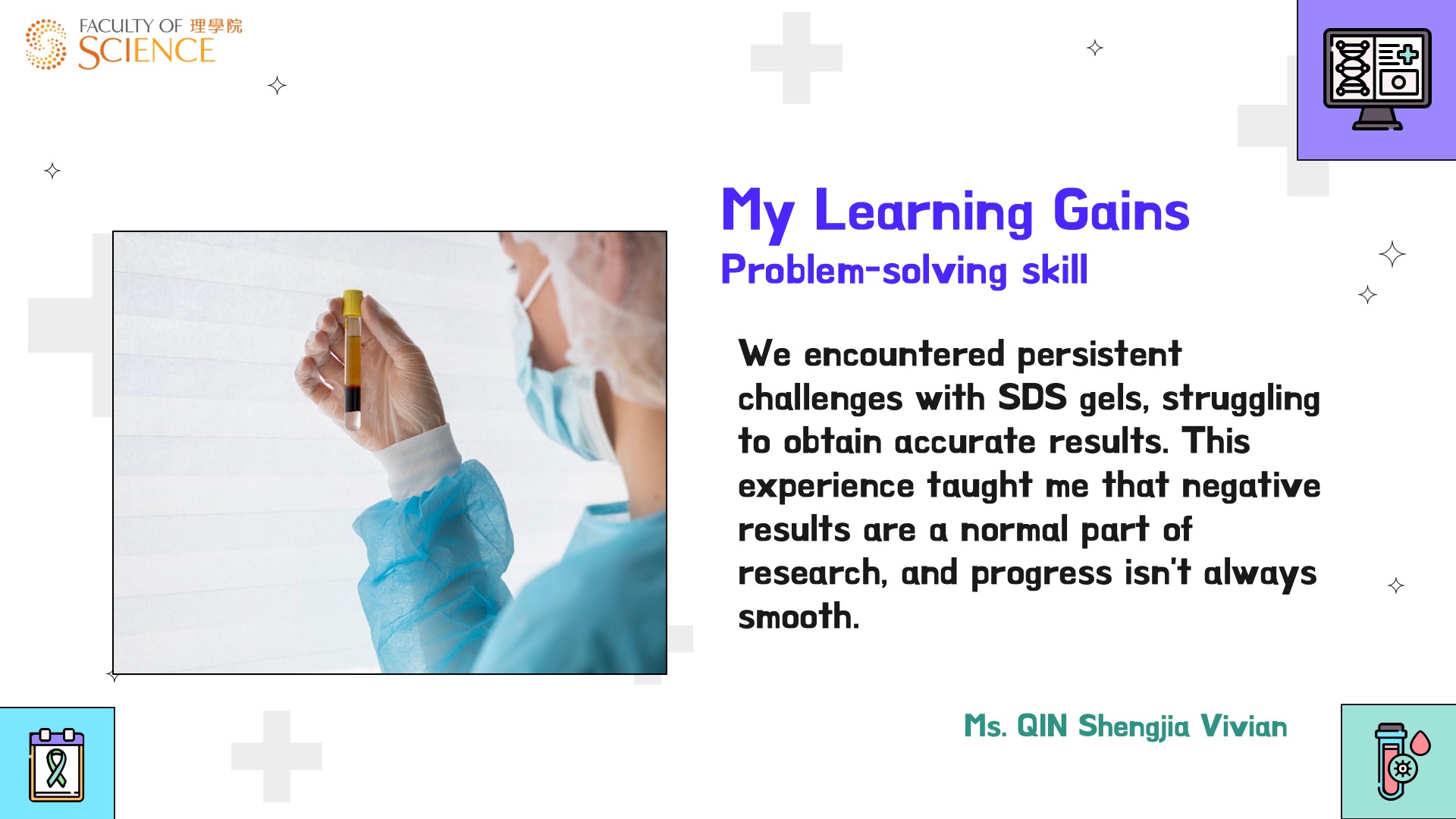
Vivian consistently encountered technical challenges, such as the difficulty in forming the bispecific antibody and the limitations of SDS gels for measuring binding ratios. She approached these problems by analyzing the experimental setup, adjusting variables like concentration and incubation time, and ultimately switching to mass spectrometry for more accurate data. This demonstrates her ability to systematically identify issues, explore solutions, and adapt her approach—an essential skill for lifelong learning in any field.
Despite persistent setbacks—such as the binding ratio not reaching the desired level and the project remaining incomplete at the end of her studies—Vivian remained patient and focused. She learned to accept negative results as part of the research process and continued to seek improvements. This resilience and willingness to adapt to changing circumstances are crucial for continuous personal and professional growth.
Vivian highlighted the importance of teamwork in both academic and industry settings. She worked closely with her supervisor and technical staff, benefiting from their guidance and expertise. She also recognized that effective communication and collaboration are vital for troubleshooting, sharing insights, and leading projects—skills that are invaluable in multidisciplinary environments and throughout one’s career.
Vivian’s project allowed her to move beyond theoretical knowledge, gaining hands-on experience with advanced techniques like mass spectrometry and antibody design. She learned to interpret complex data and apply it to real-world problems, bridging the gap between classroom learning and practical application. This commitment to continually updating and expanding technical skills is a hallmark of lifelong learners, especially in rapidly evolving fields like biotechnology.
Vivian reflected on her experiences, recognizing how her final year project transformed her understanding of immunotherapy and experimental optimization. She also expressed a desire to share her insights with peers, contributing to a collaborative learning environment. Reflective practice—assessing one’s own learning and sharing knowledge with others—enhances self-awareness and fosters a culture of continuous improvement.
The pursuit of knowledge is a lifelong journey! To further expand your knowledge and continue your personal and professional growth. Click and explore the following learning resources:
Antibody Engineering and Bispecific Antibodies
Proteomics and Mass Spectrometry