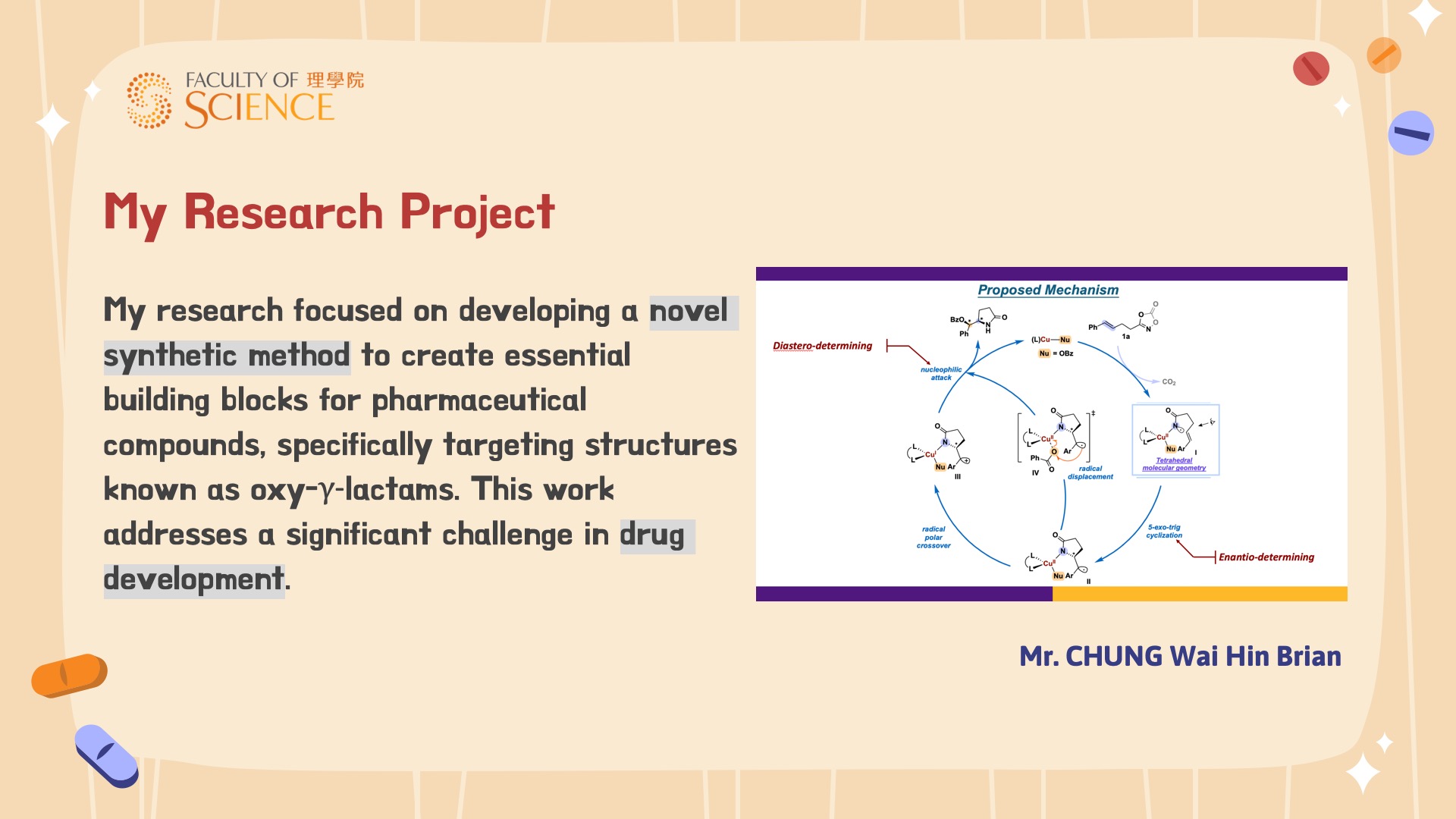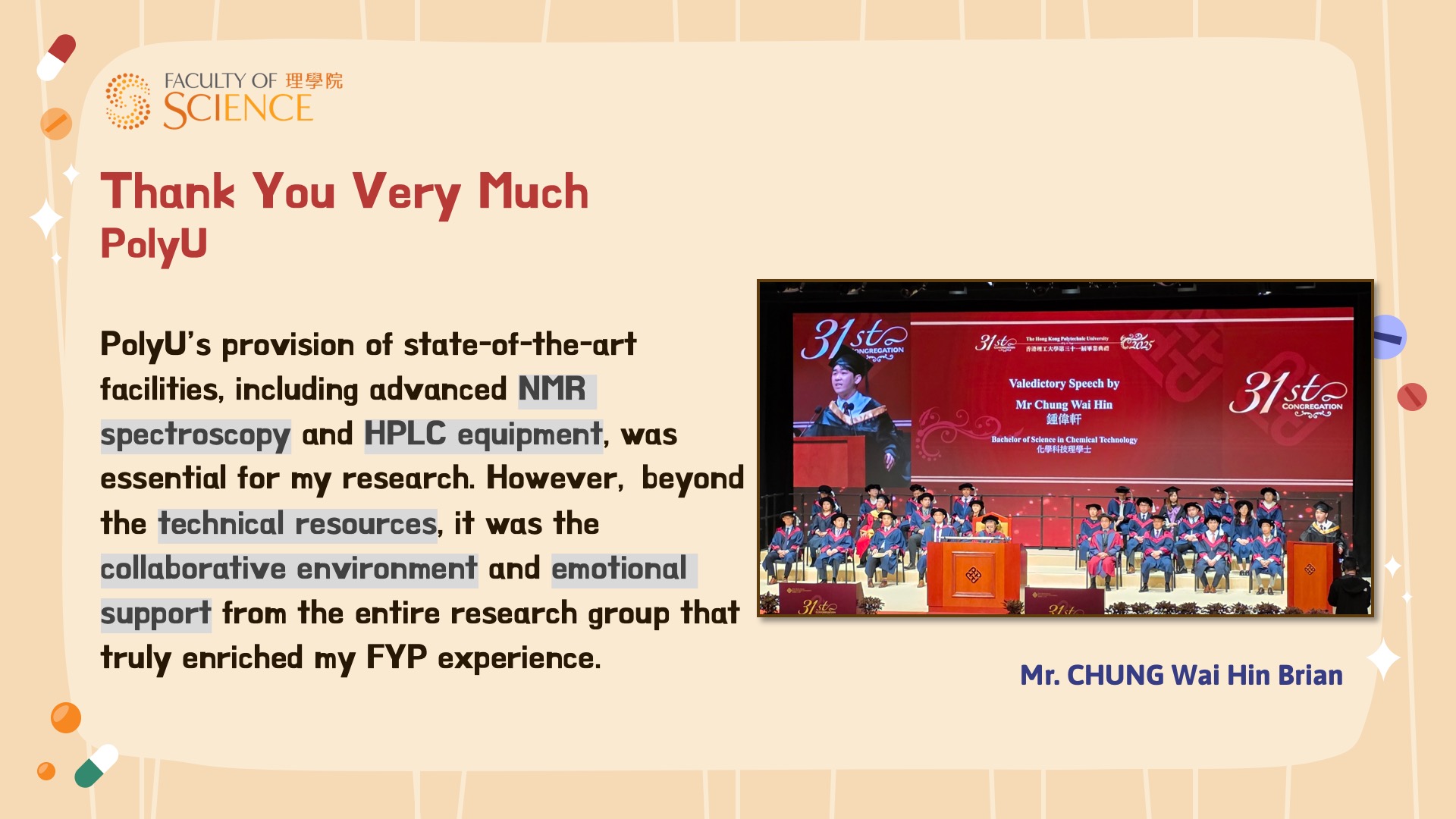


Brian’s research at PolyU led to a breakthrough in synthesizing oxy-γ-lactams, vital for pharmaceuticals. By developing a copper-catalyzed method, his team reduced a multi-step process to a single efficient reaction, saving time and resources. This innovation offers precise control over molecular structure, enhancing drug effectiveness and sustainability in manufacturing.
Overcoming challenges in atom arrangement, Brian learned to systematically optimize reactions and became meticulous in lab safety. Support from mentors and advanced facilities fueled his progress. Through this project, Brian gained technical expertise, problem-solving skills, and confidence in explaining complex chemistry, all while contributing to more accessible and eco-friendly medicines.
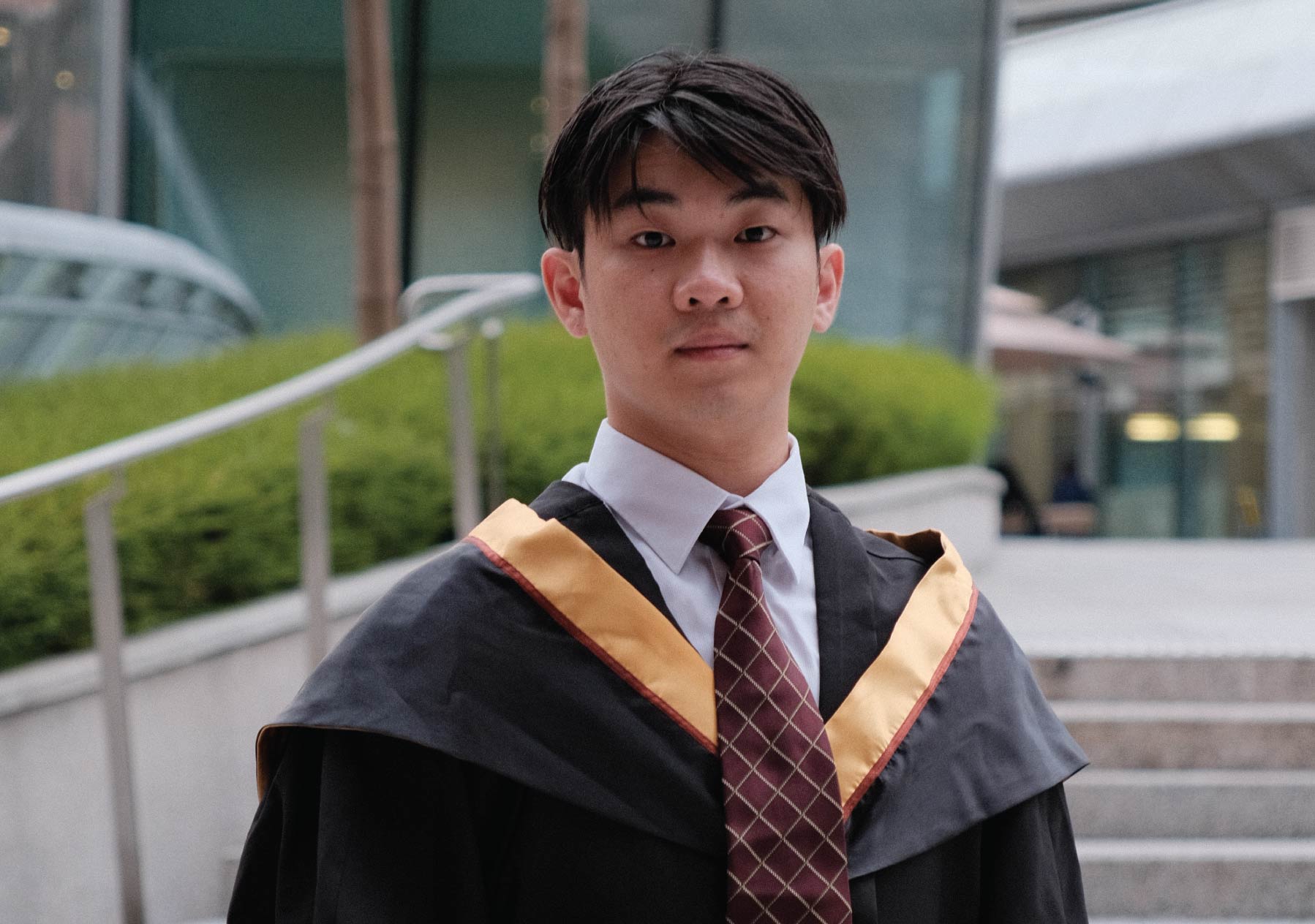
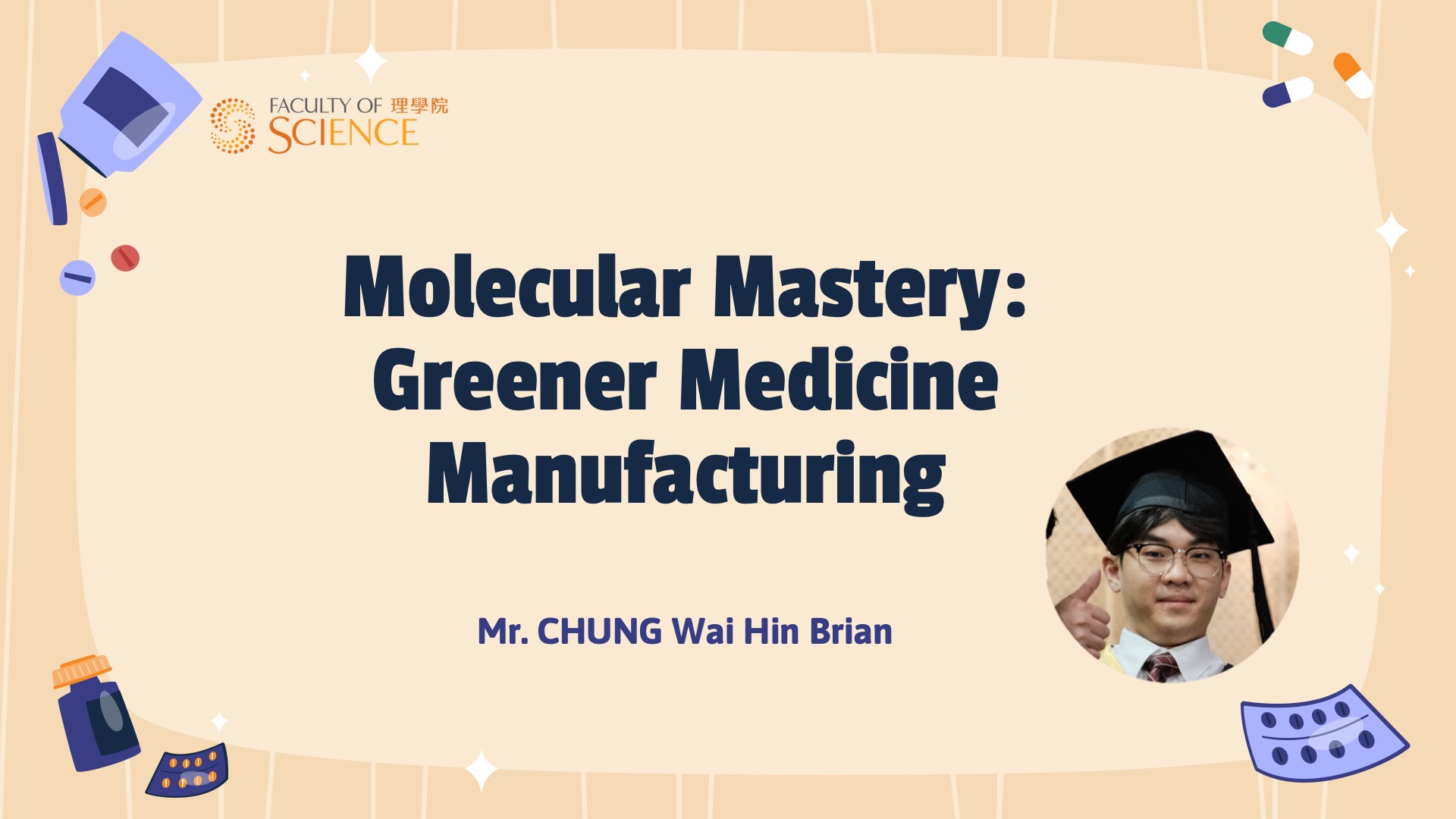
Mr. CHUNG Wai Hin Brian
Faculty of Science
Department of Applied Biology and Chemical Technology
Brian’s research centered on using copper-based transition metal catalysis to construct oxy-γ-lactams, essential building blocks in pharmaceuticals. He learned how transition metals can facilitate chemical transformations, enabling the formation of complex molecules in fewer steps and with greater control over the product’s structure. This knowledge is fundamental in modern synthetic chemistry and drug development.
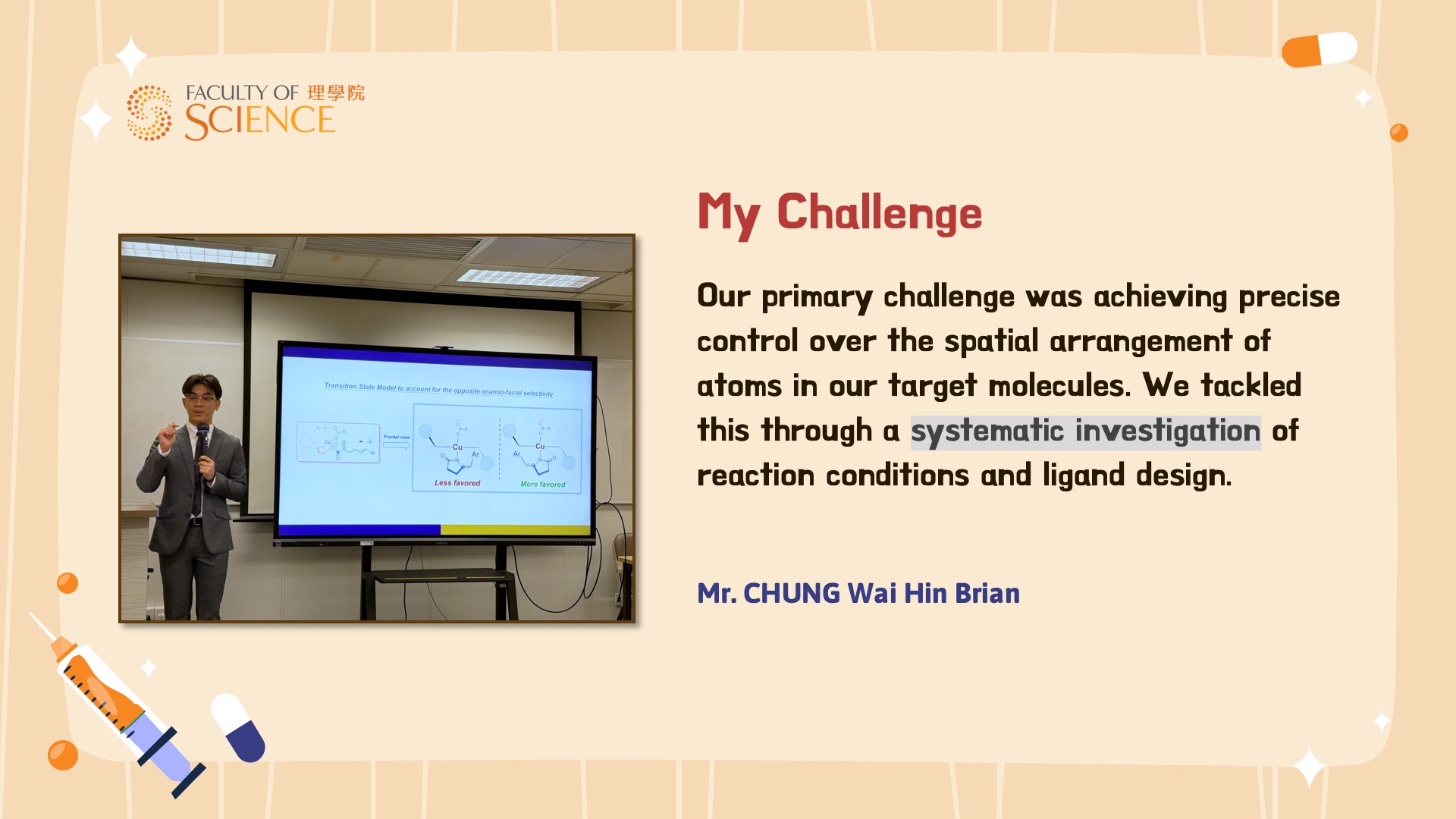
A key challenge in Brian’s work was achieving precise control over the spatial arrangement (stereochemistry) of atoms in target molecules. He gained expertise in ligand design and reaction optimization to influence the 3D structure of products, which is crucial for the biological activity and effectiveness of pharmaceutical compounds.
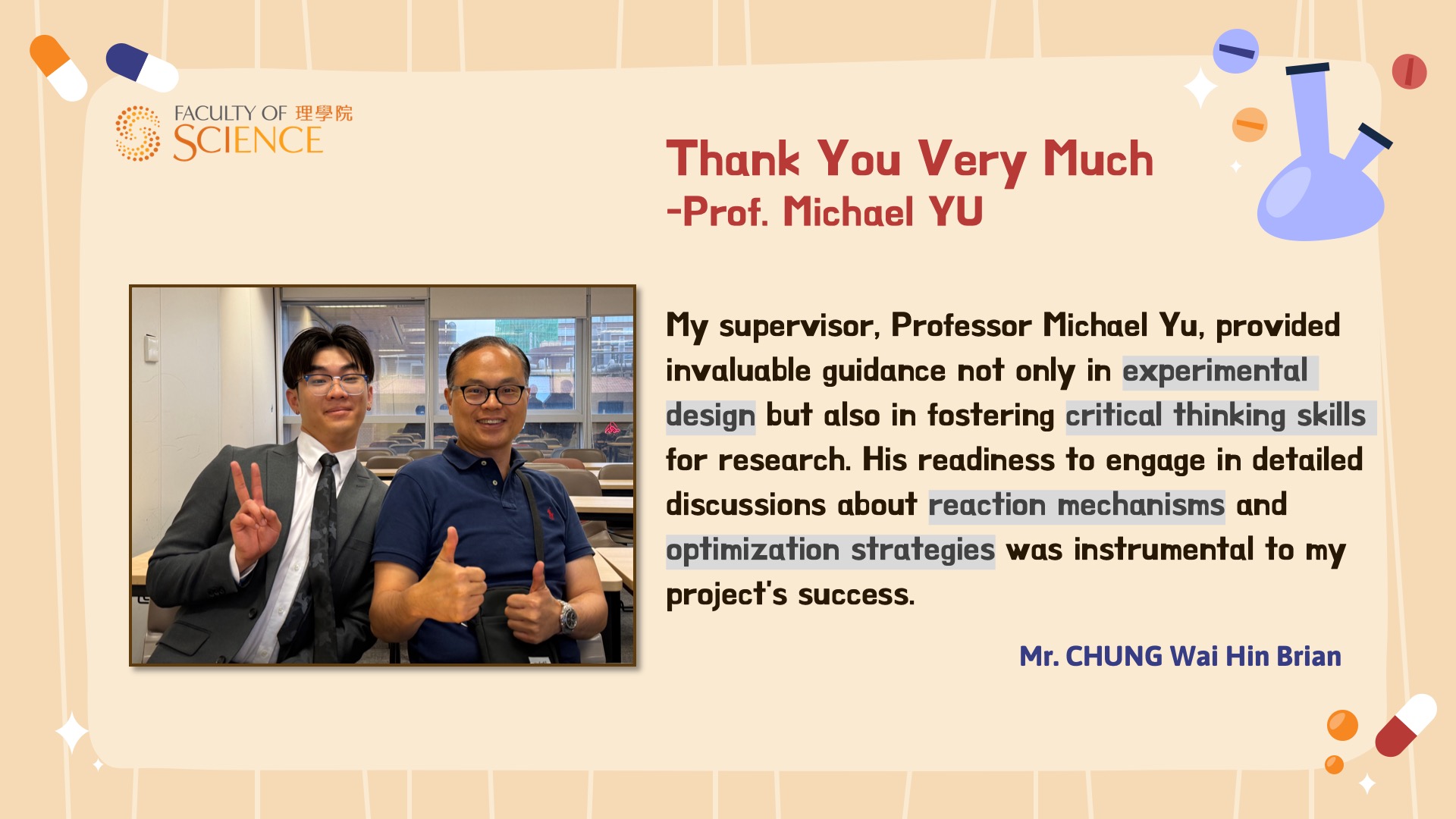
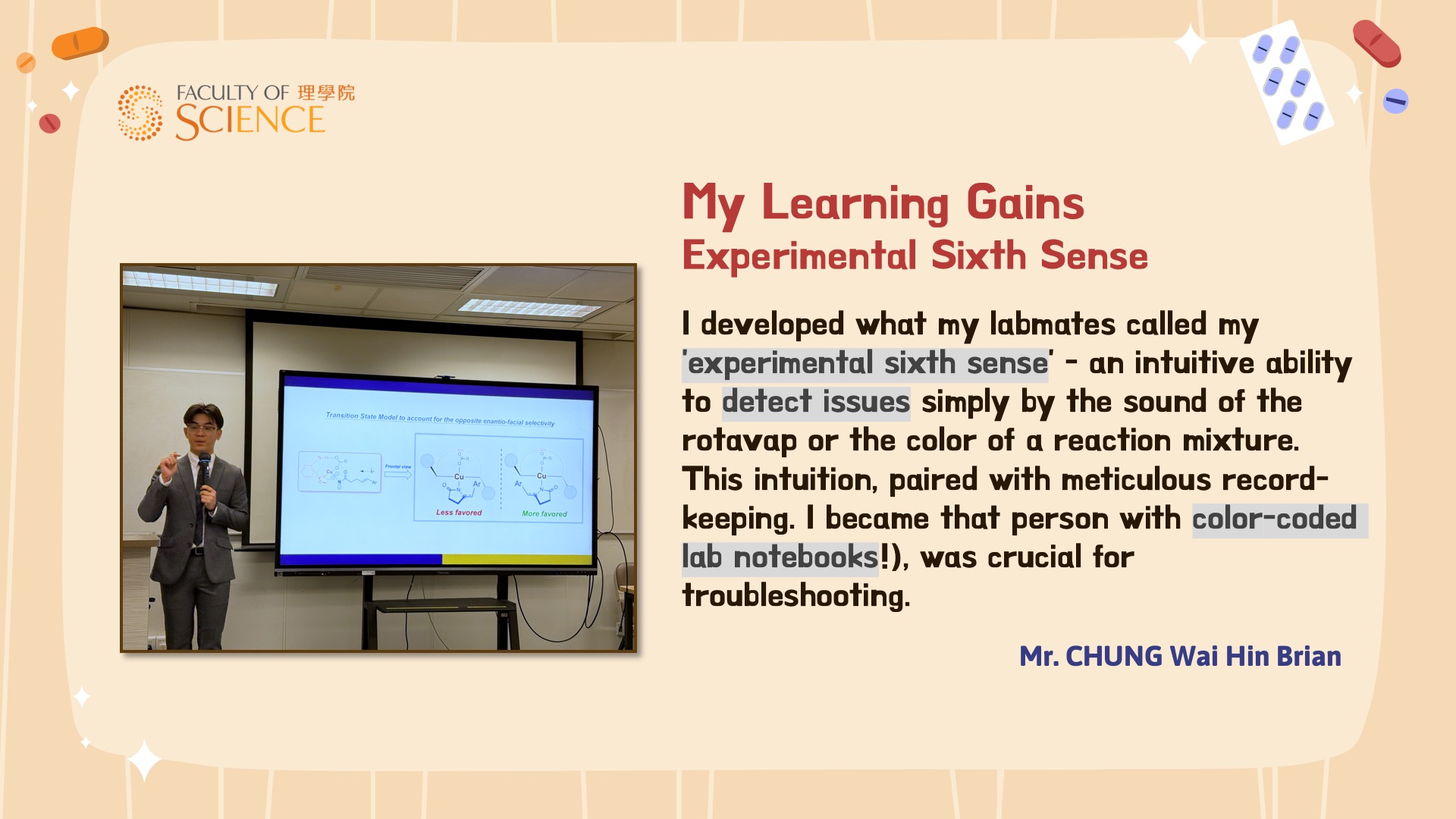
Brian systematically investigated reaction conditions and mechanisms, altering variables and building transition state models to understand and optimize the process. This deepened his understanding of how chemical reactions proceed at the molecular level, which is essential for developing new synthetic methods and troubleshooting unexpected results.
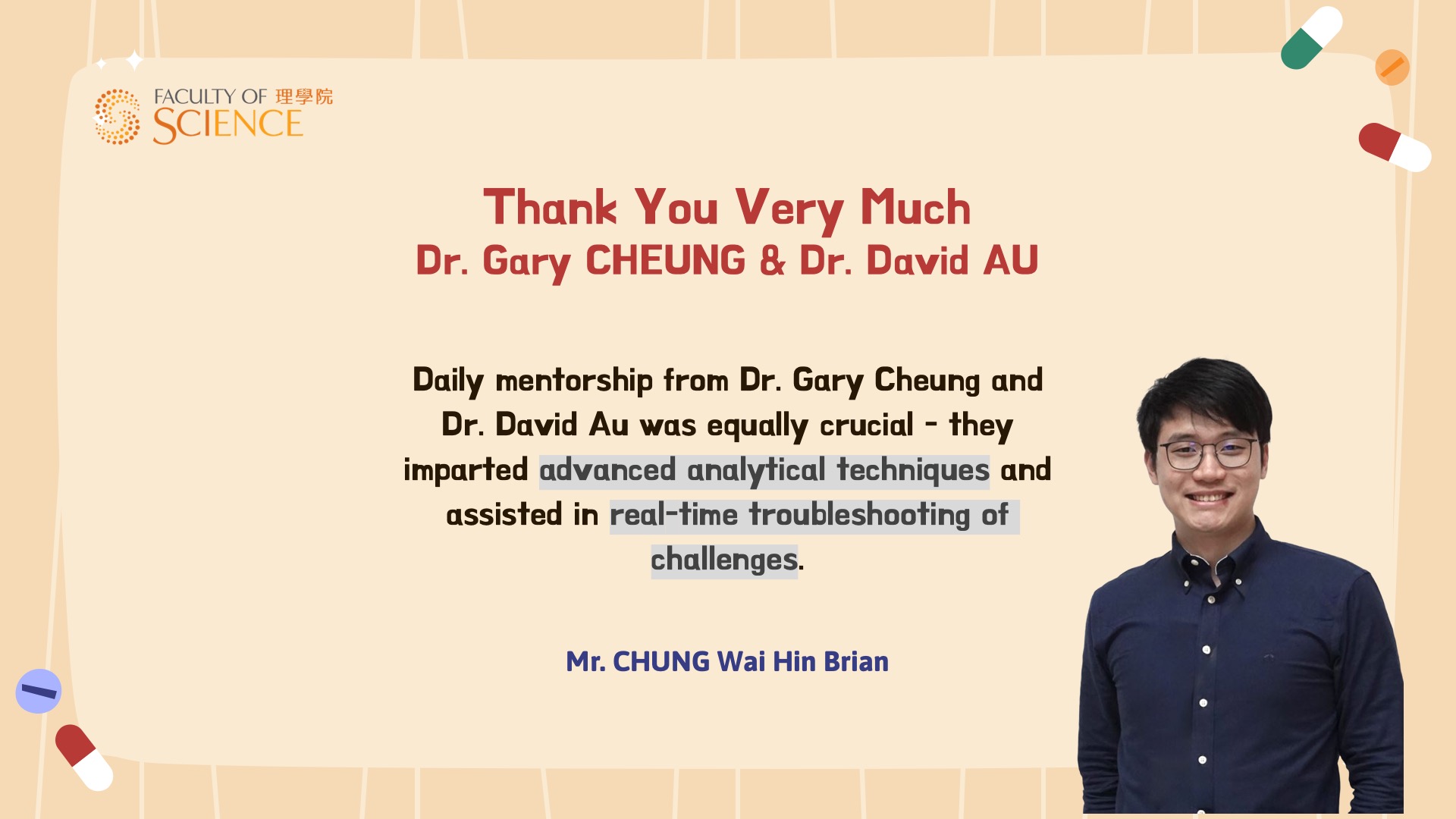
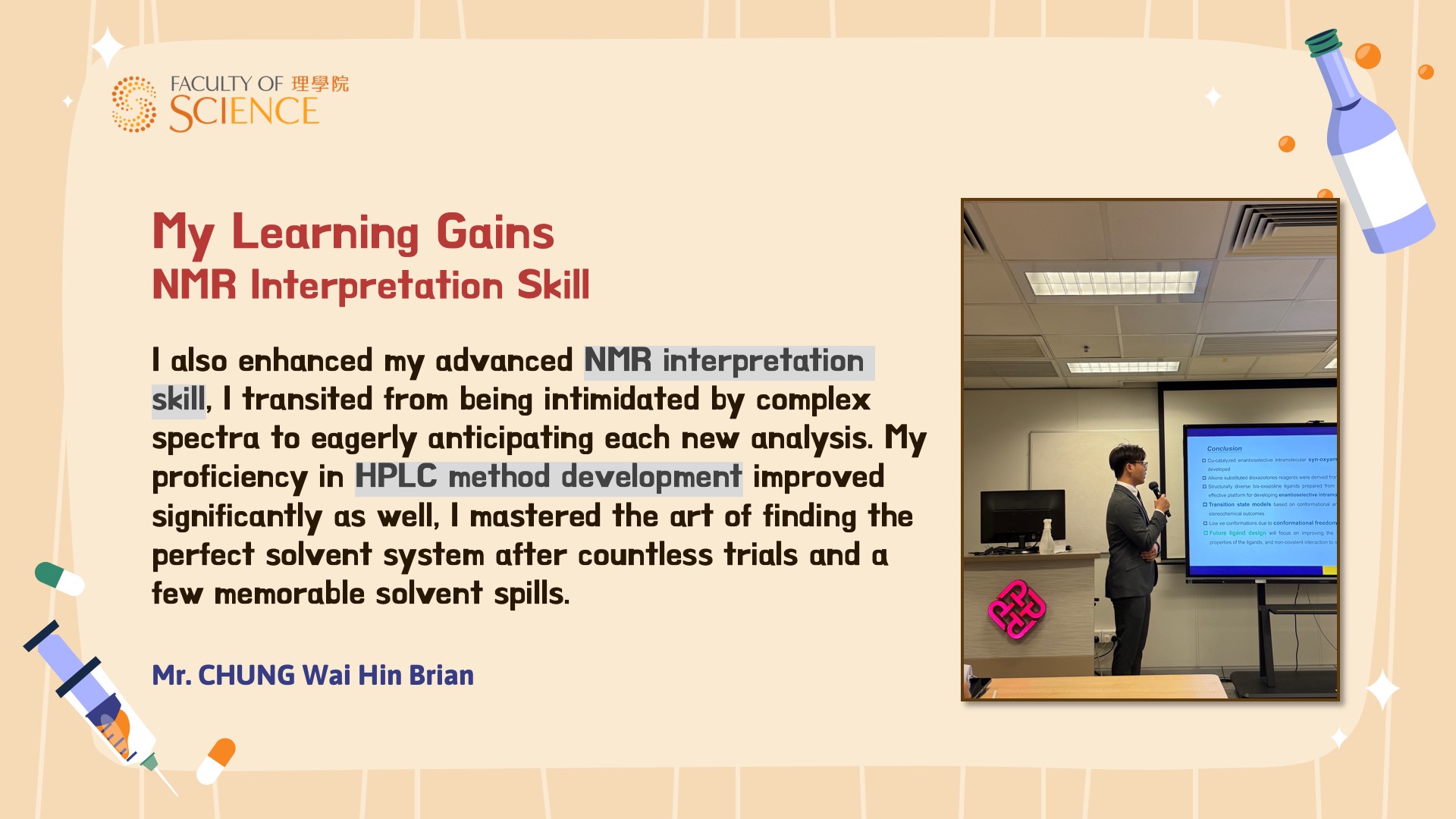
He became proficient in advanced analytical techniques such as Nuclear Magnetic Resonance (NMR) spectroscopy and High-Performance Liquid Chromatography (HPLC). These tools are vital for characterizing reaction products, determining purity, and analyzing complex mixtures—core skills for any chemist working in research or industry.
Brian’s method aimed to streamline pharmaceutical synthesis, reducing the number of steps, waste, and energy consumption. He learned about the principles of green chemistry—developing more sustainable, efficient, and environmentally friendly chemical processes, which are increasingly important in both industry and academia.
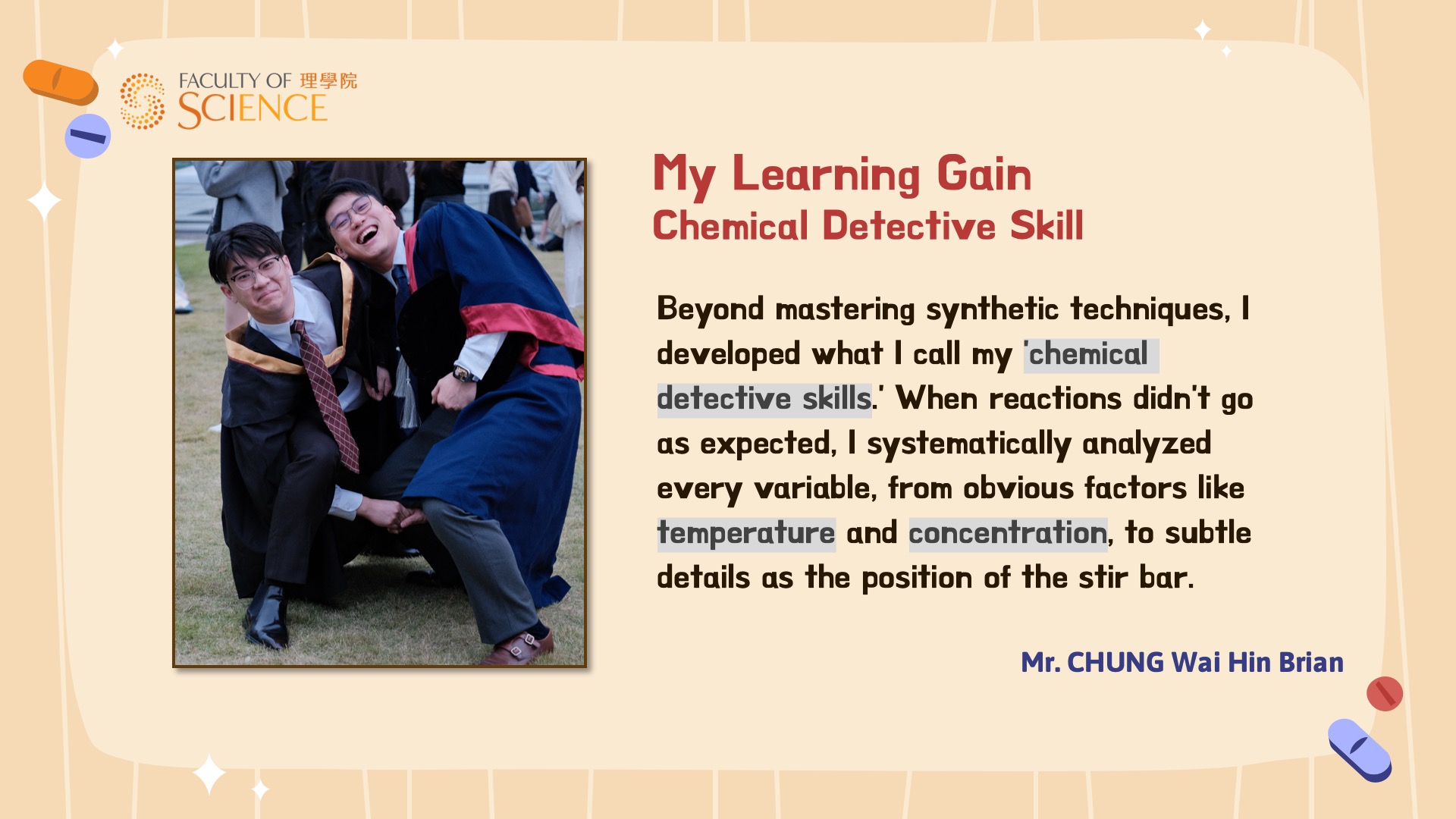
Brian developed a systematic approach to troubleshooting experimental challenges, such as optimizing reaction conditions and ligand design. He learned to analyze every variable methodically, from obvious factors like temperature to subtle ones like stir bar position. This skill is essential for lifelong learning, as it enables individuals to tackle complex problems in any field with logic and persistence.
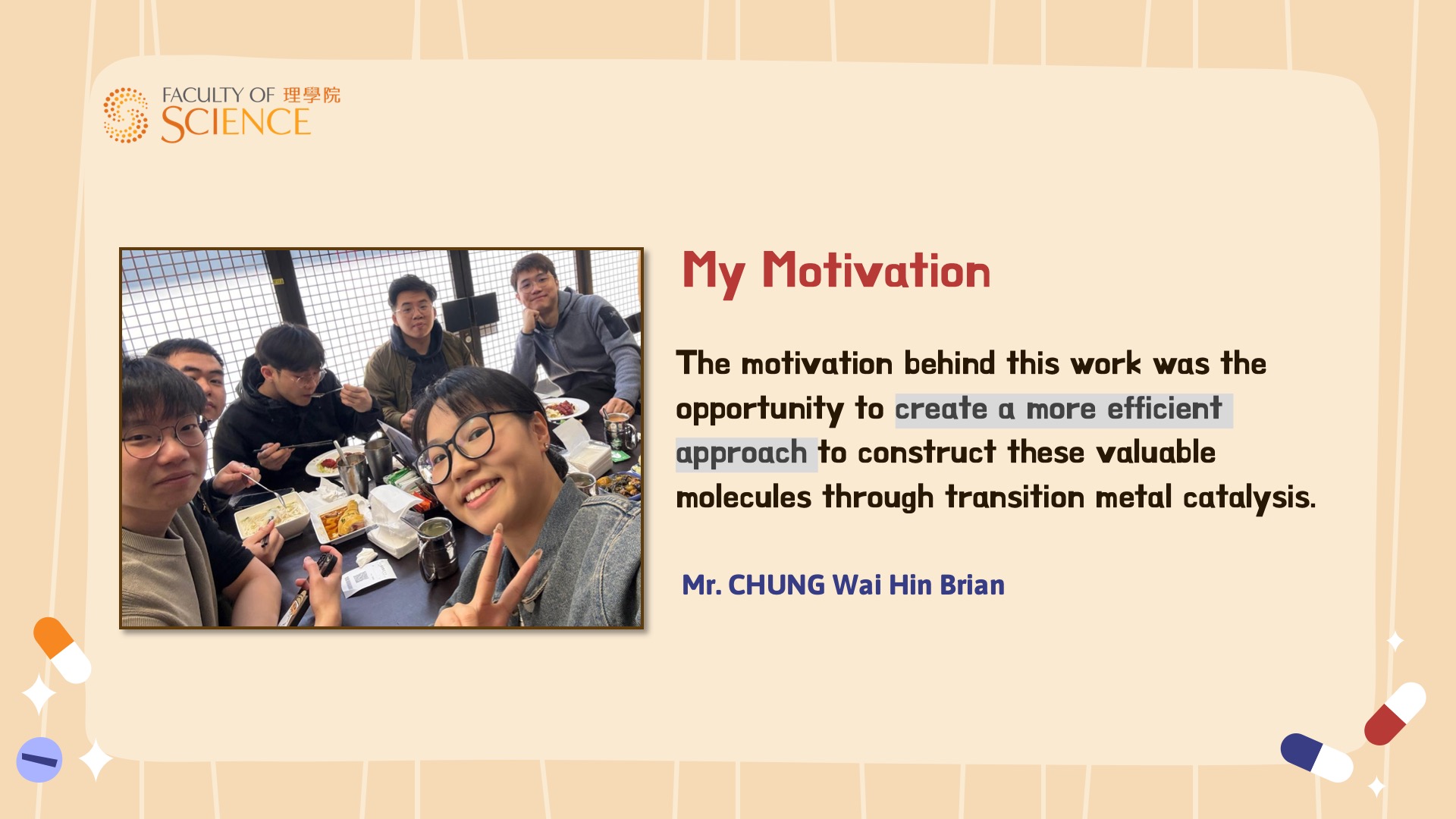
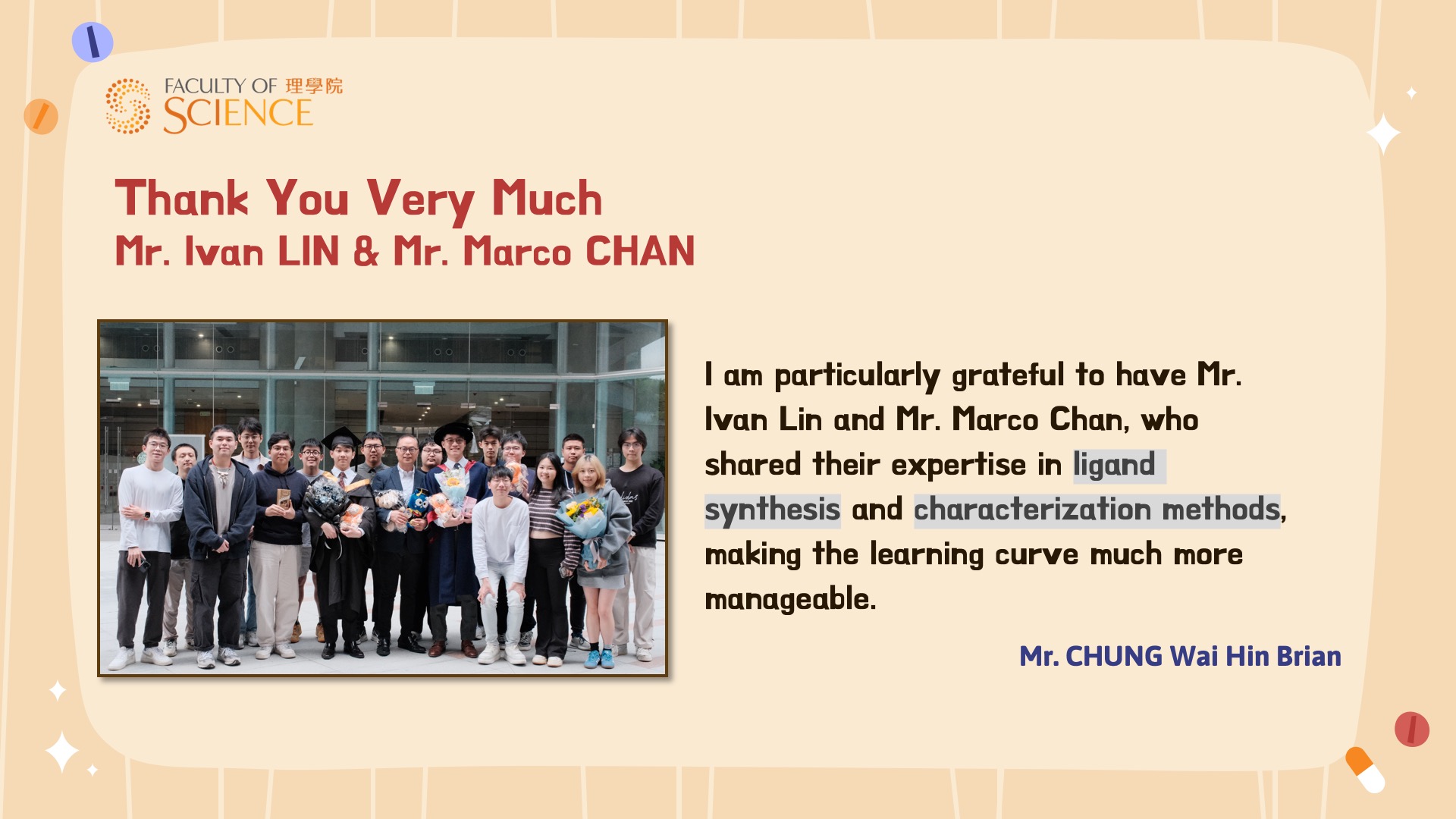
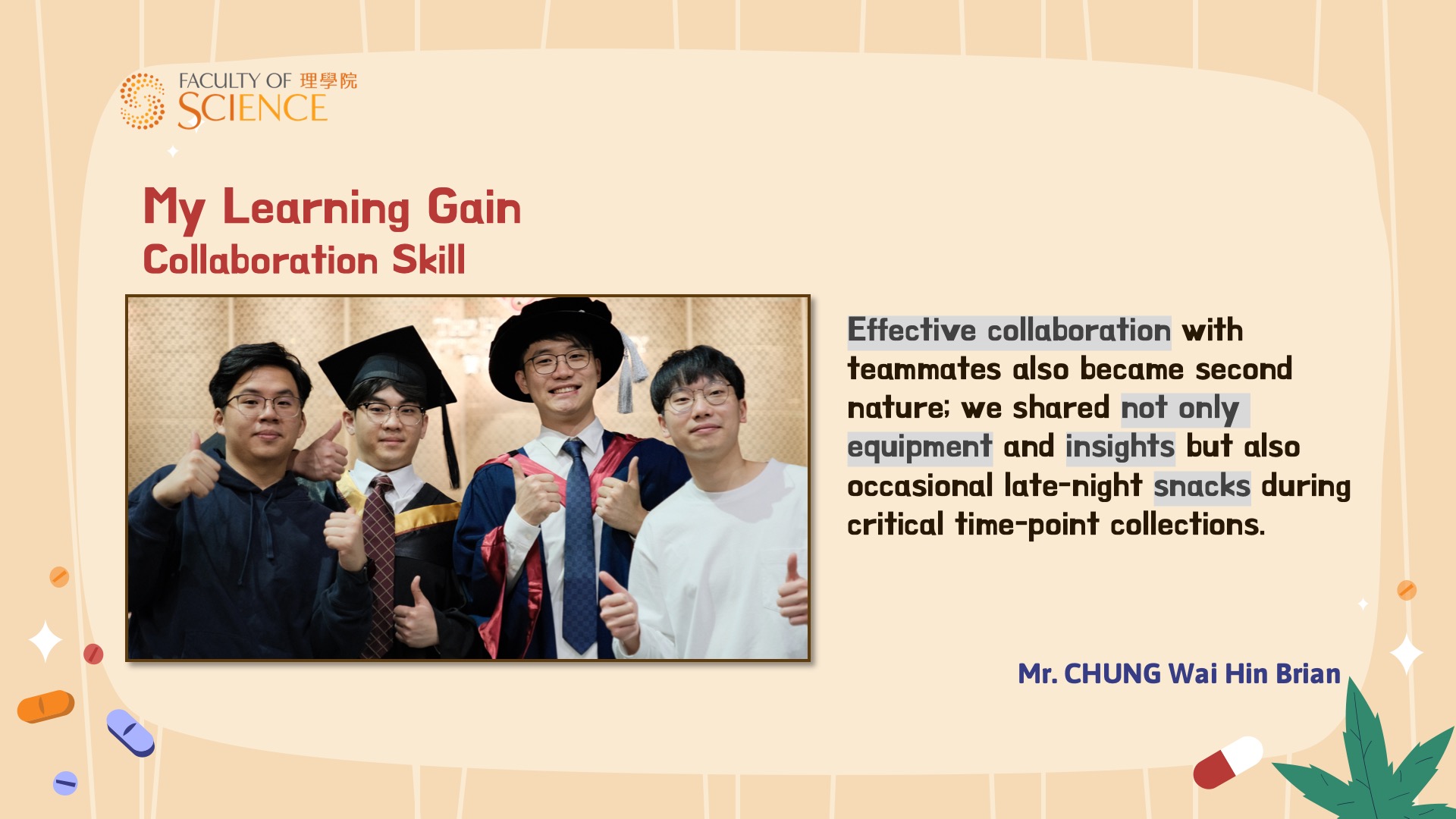
Throughout his project, Brian worked closely with supervisors, mentors, and labmates, sharing equipment, insights, and even snacks during late-night experiments. He also benefited from cross-institutional collaboration through an exchange program. Effective collaboration fosters knowledge exchange, innovation, and support, making it a vital lifelong skill for both professional and personal growth.
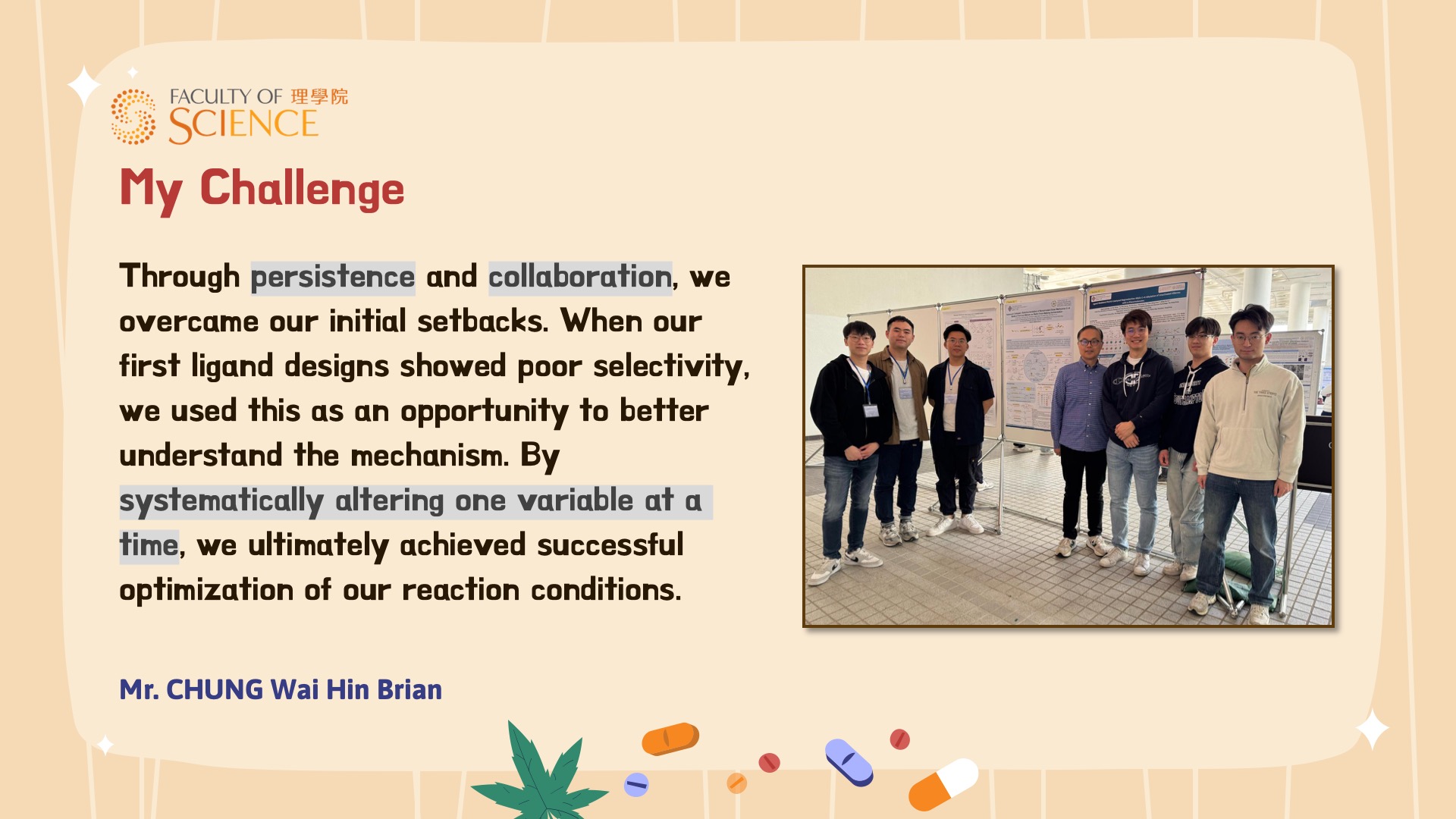
Brian’s journey involved overcoming setbacks, such as poor selectivity in initial ligand designs and unexpected experimental results. He learned to view challenges as opportunities for deeper understanding and persisted through failures. Adaptability and resilience are key lifelong skills, enabling individuals to thrive in changing environments and learn from adversity.
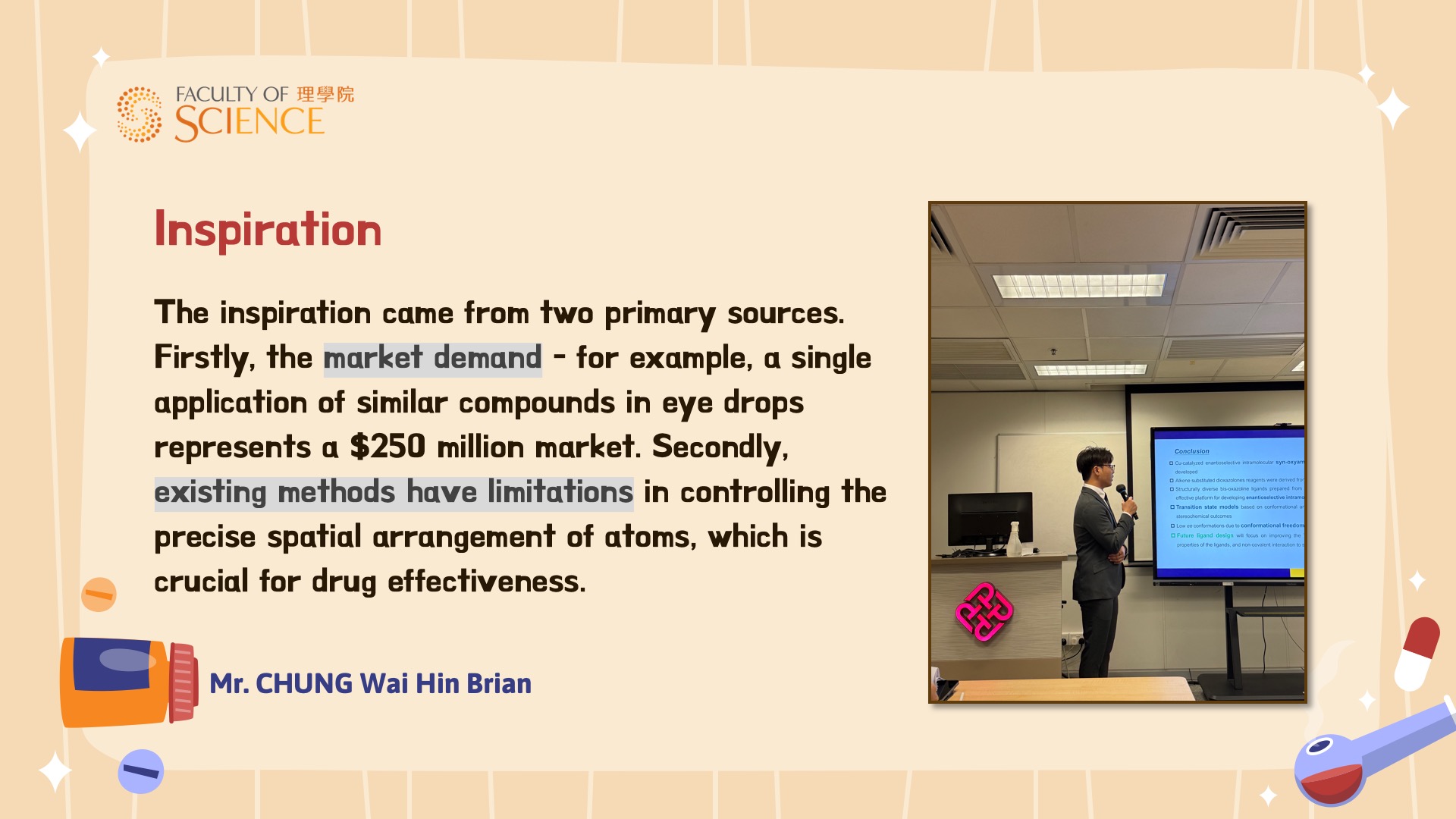
Brian honed his ability to explain complex chemistry concepts to non-scientists, making his research accessible and engaging. He also presented his findings and participated in detailed discussions with mentors. Effective communication is essential for lifelong learning, as it allows individuals to share knowledge, influence others, and collaborate across disciplines.
Brian became known as a ‘safety perfectionist’ in the lab, developing habits of triple-checking equipment and meticulous record-keeping. This attention to detail ensured experimental reproducibility and lab safety. Such precision is crucial not only in scientific research but also in any career, as it helps prevent errors and maintain high standards.
The pursuit of knowledge is a lifelong journey! To further expand your knowledge and continue your personal and professional growth. Click and explore the following learning resources:
Reaction Mechanism Investigation
Critical Thinking and Problem-solving
Project Management and Teamwork