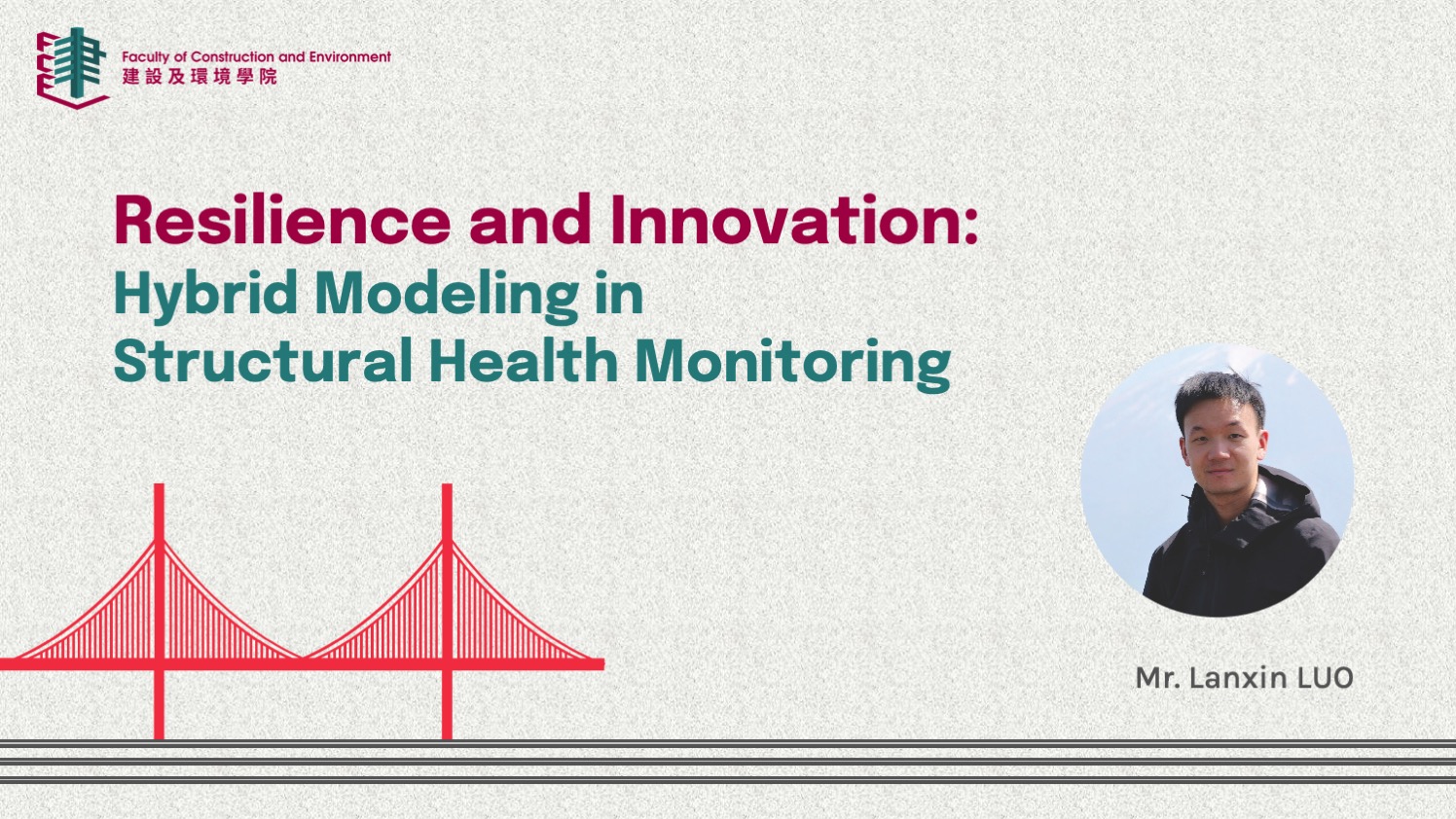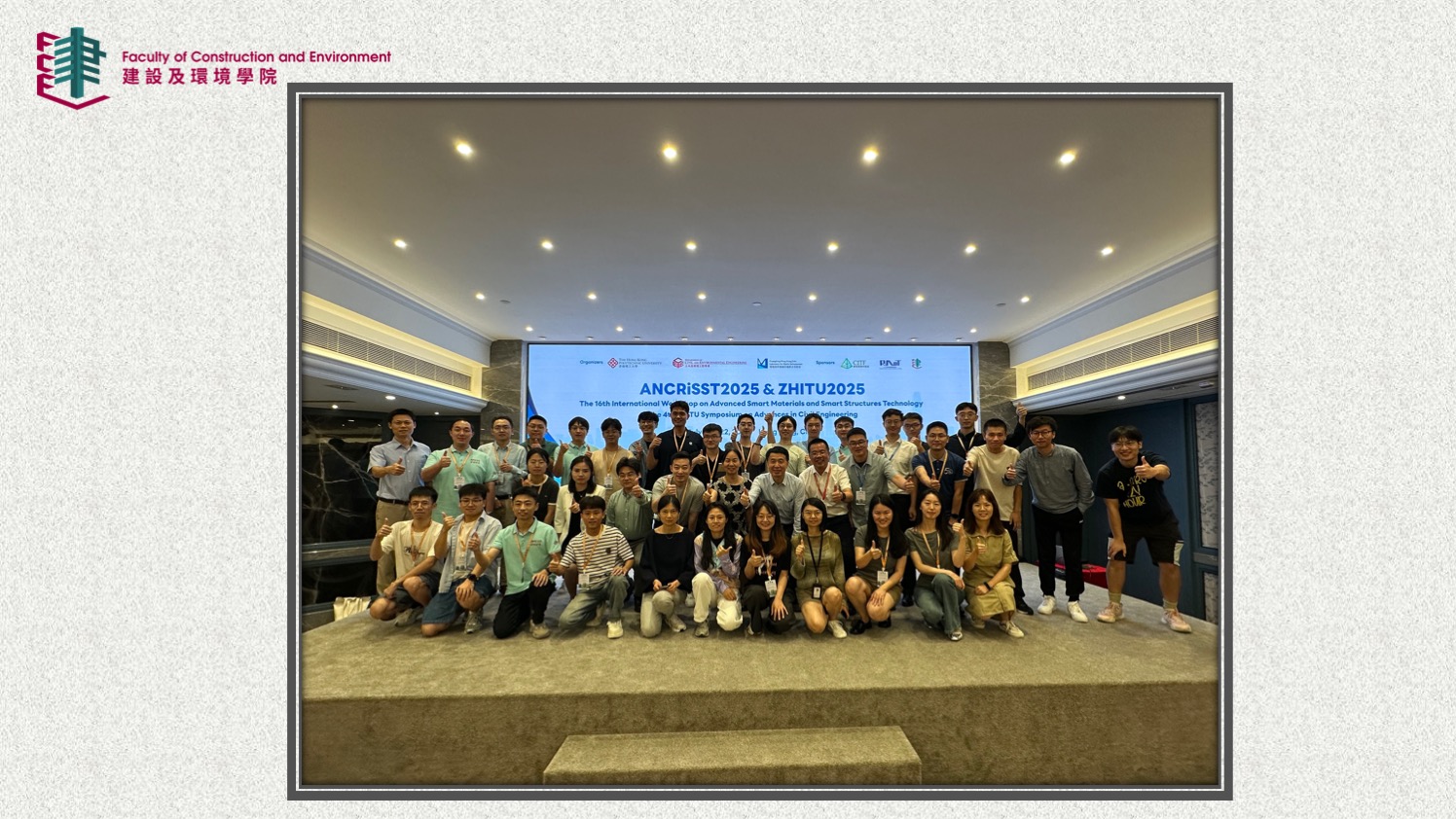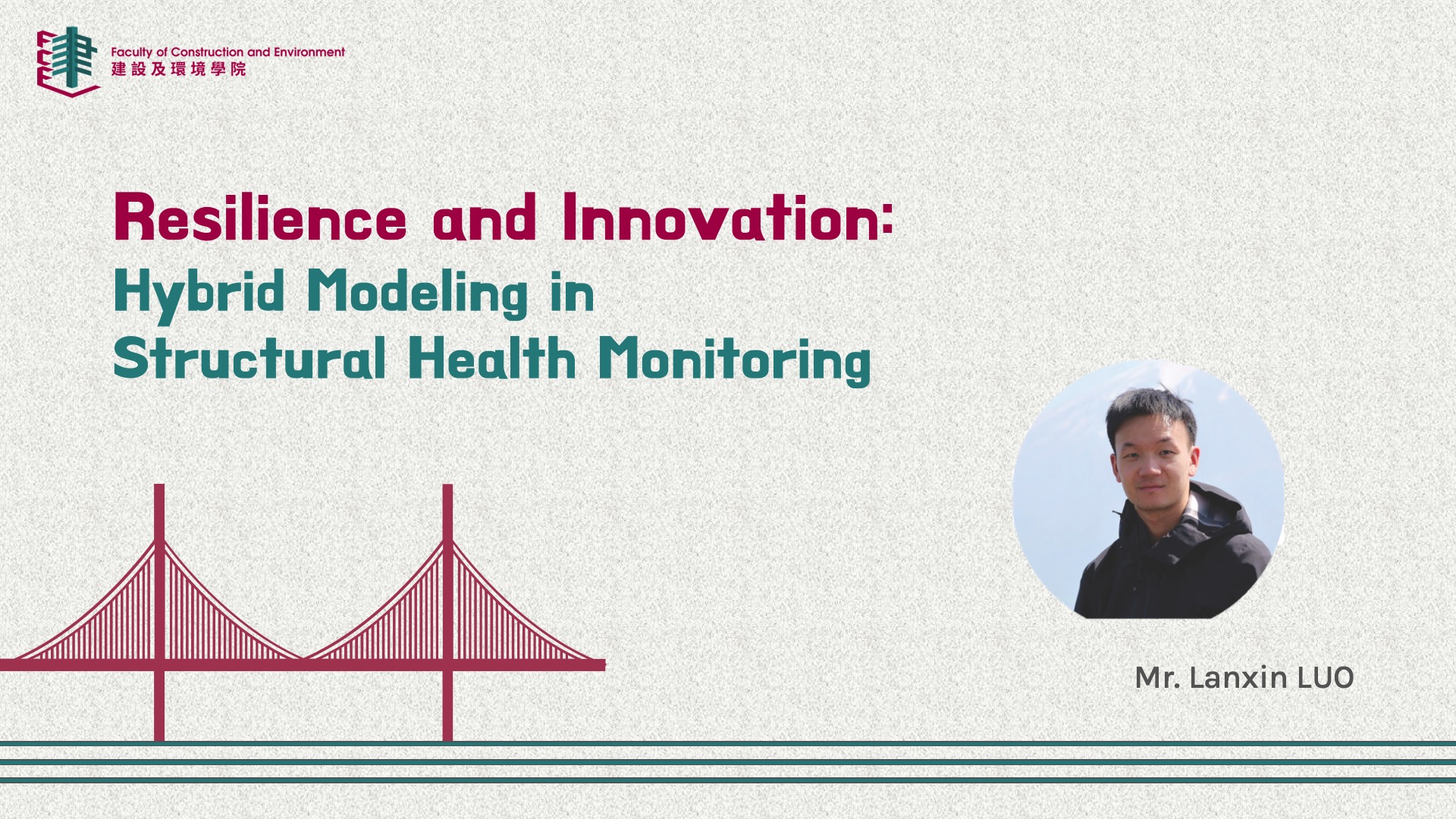


LUO Lanxin worked on a PhD project in hybrid modeling under the supervision of Prof. Yong Xia, Prof. Limin Sun, and Prof. Yixian Li. He aimed to combine physics-based and data-driven models for improved nonlinear boundary condition identification in structural health monitoring. Initially, Lanxin faced challenges integrating these approaches, but through perseverance and guidance, he found a suitable response solver and built a successful hybrid model.
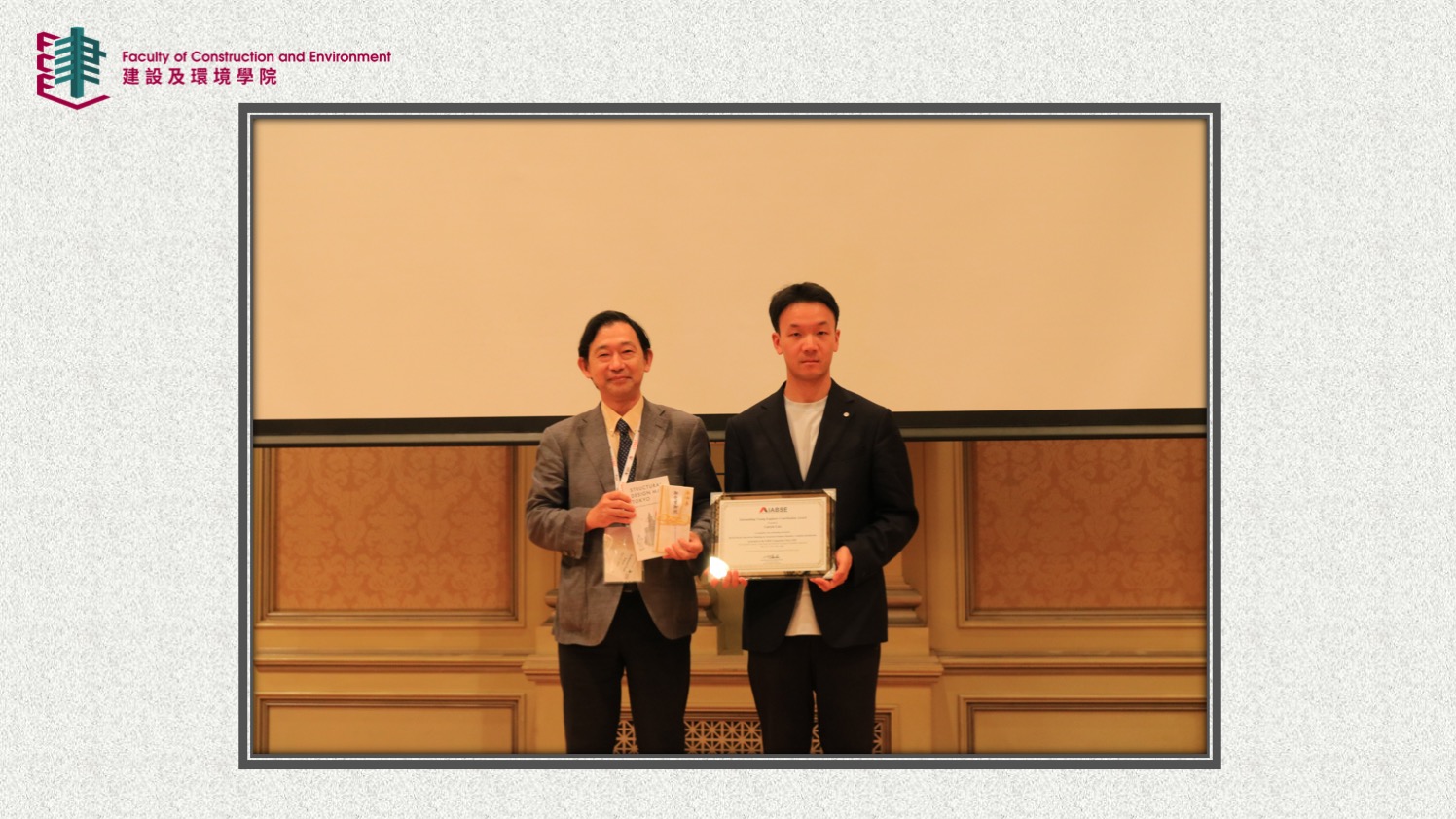
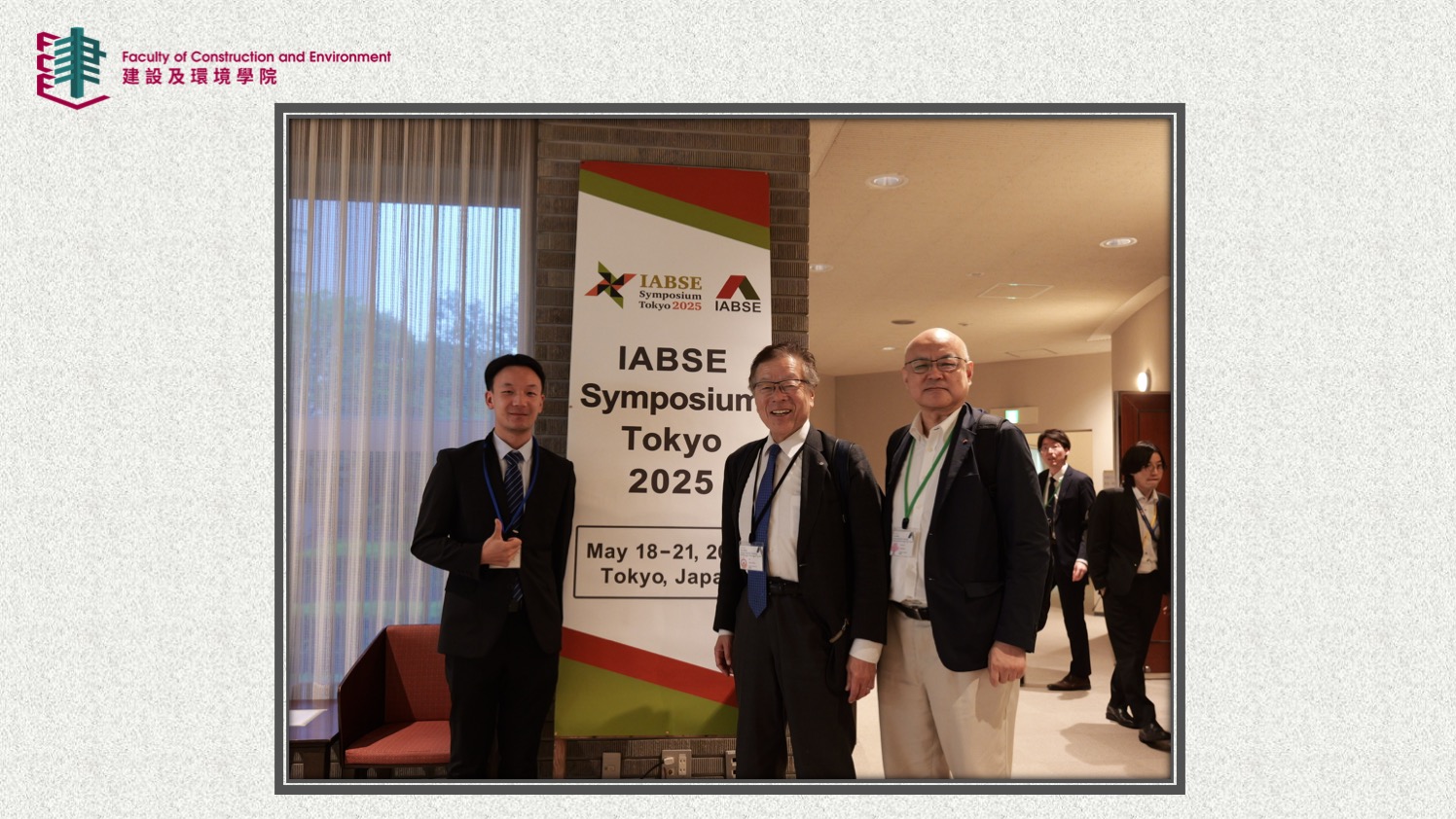
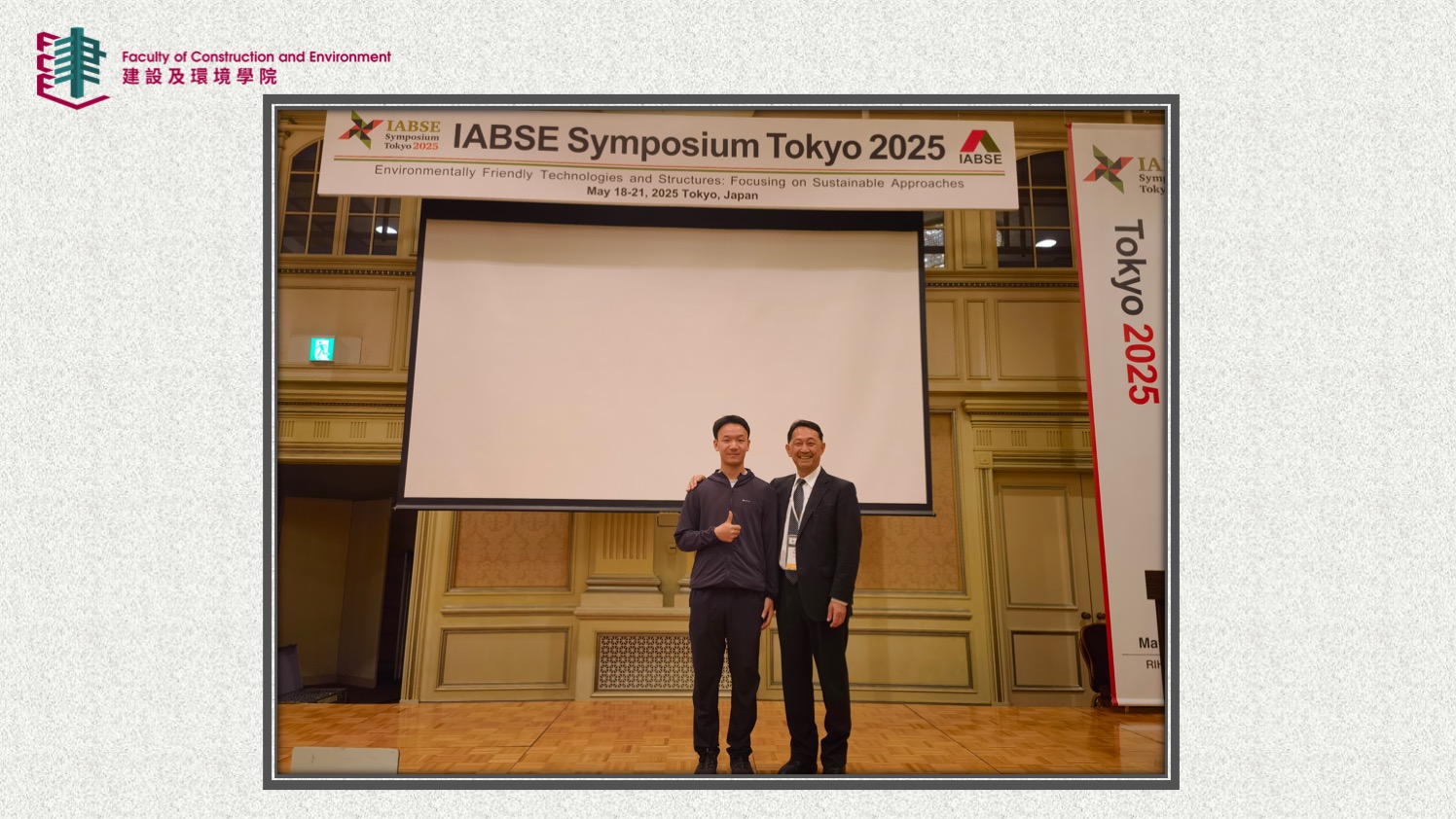
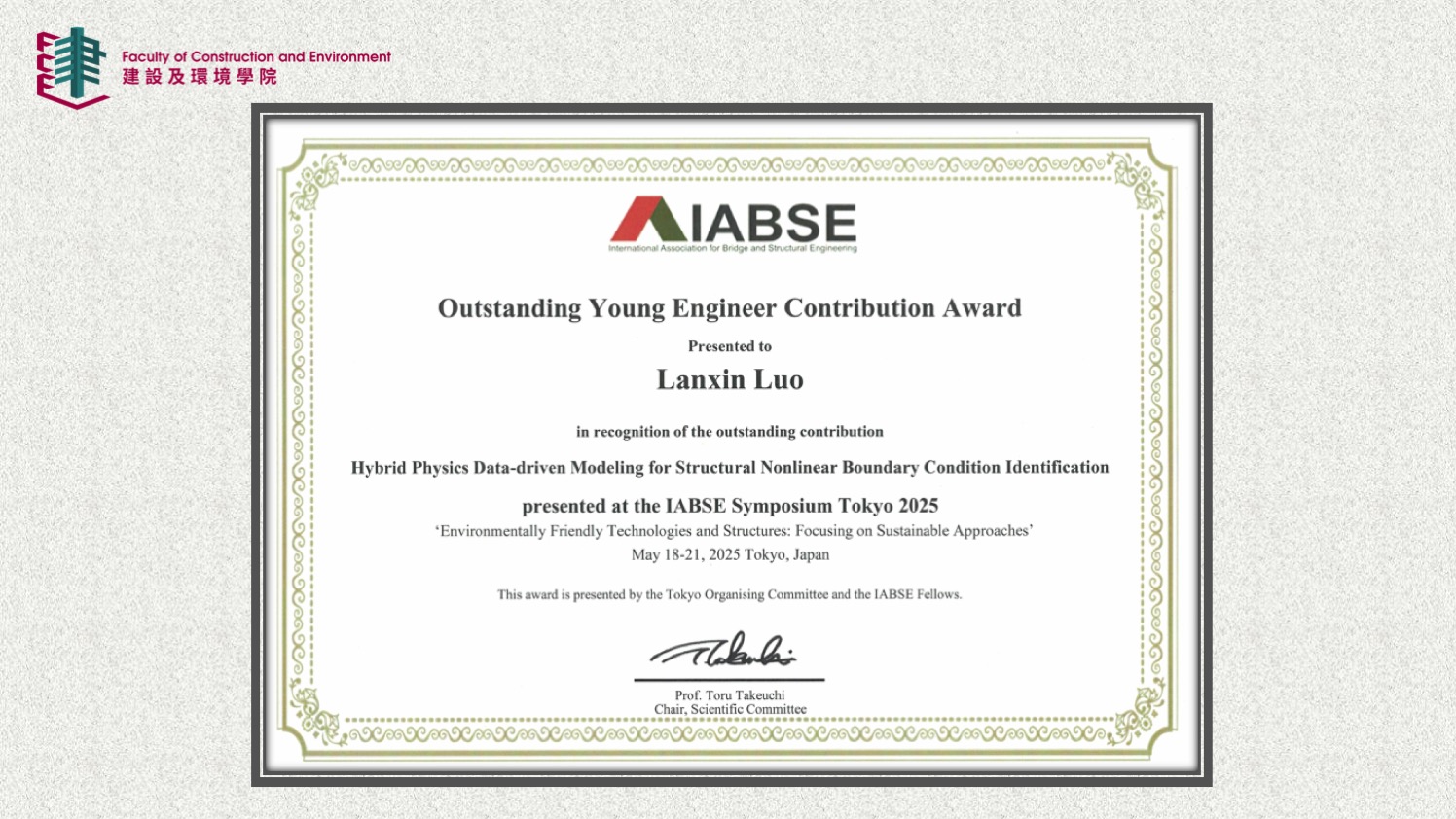
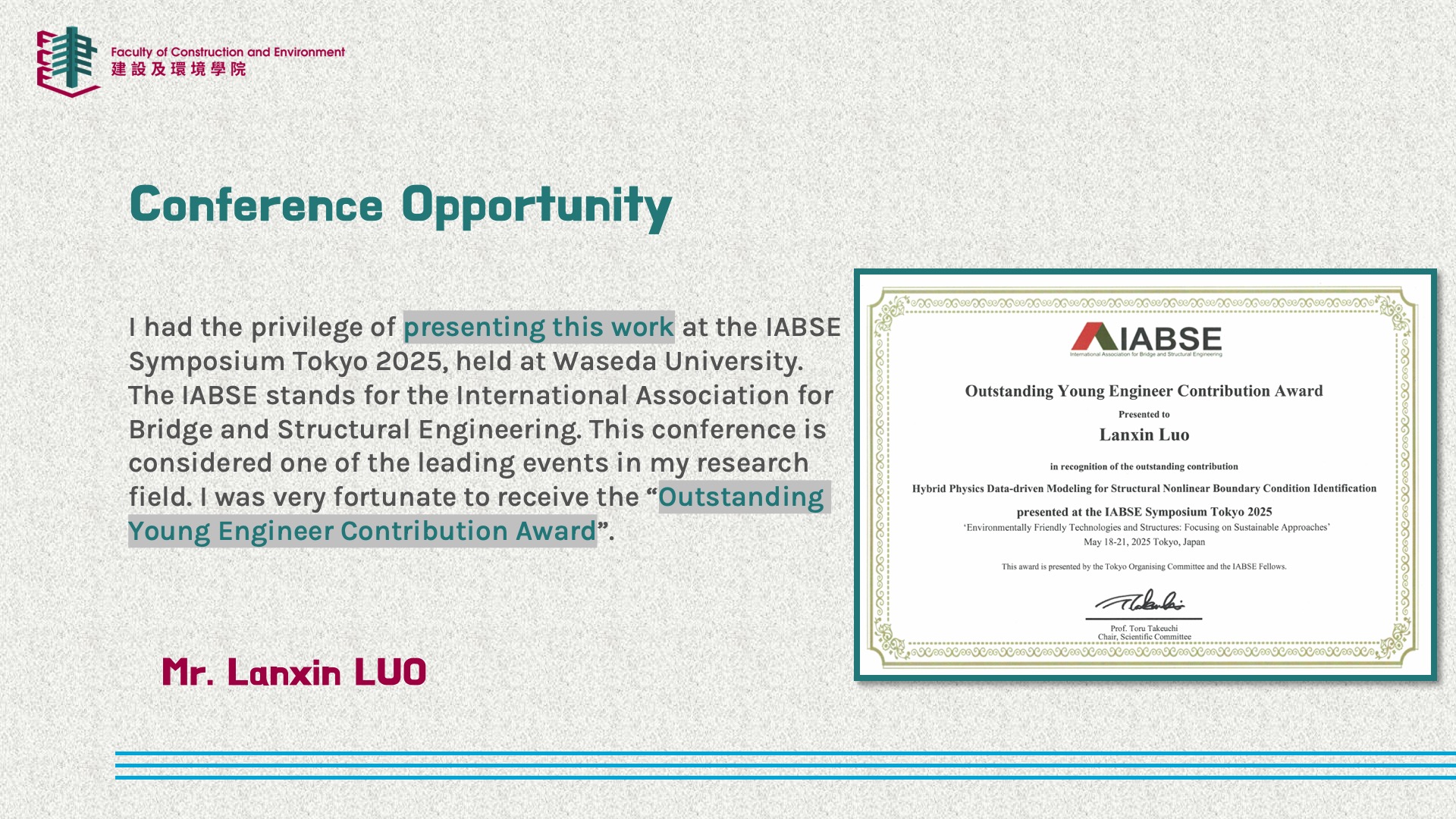
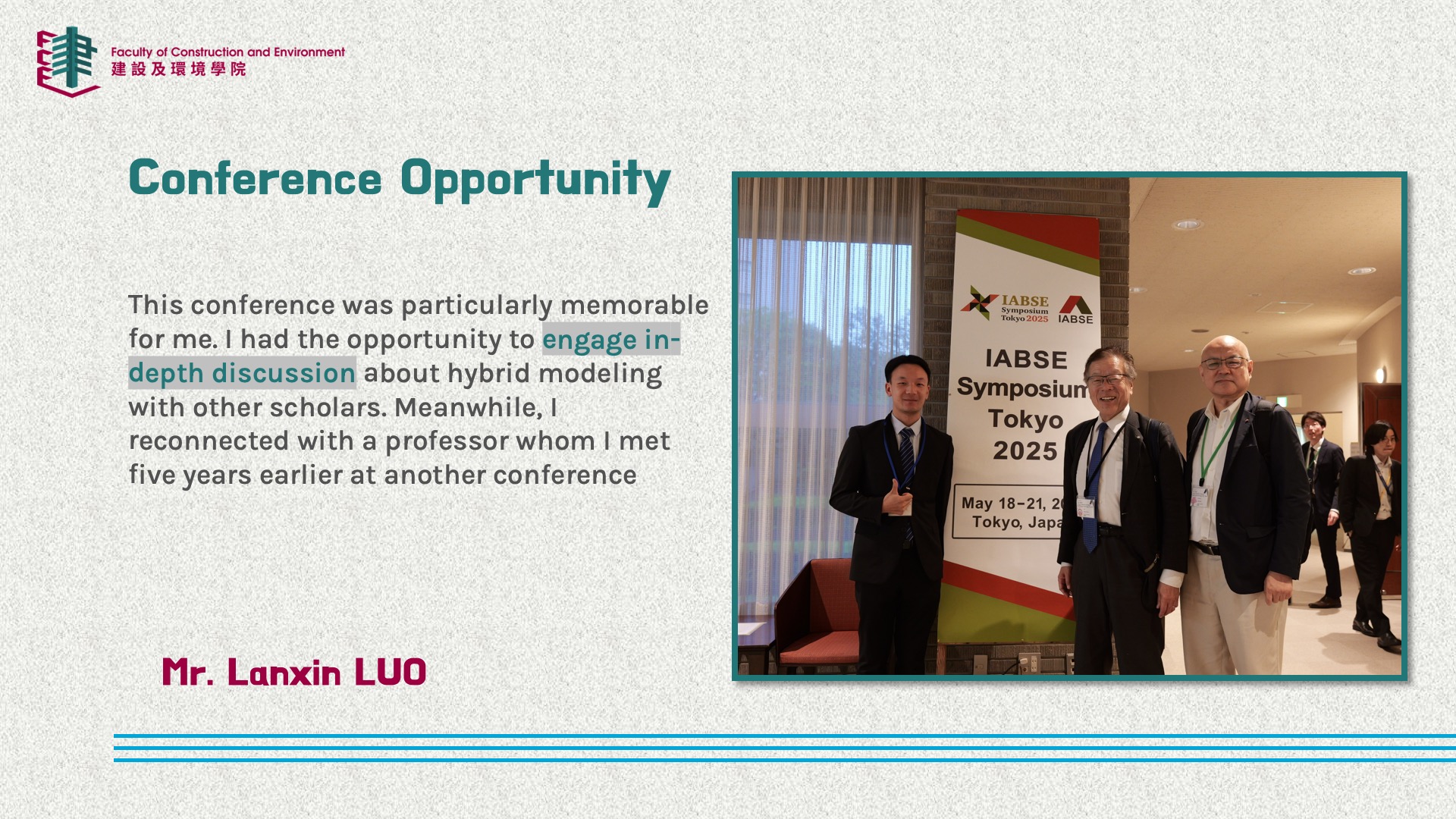
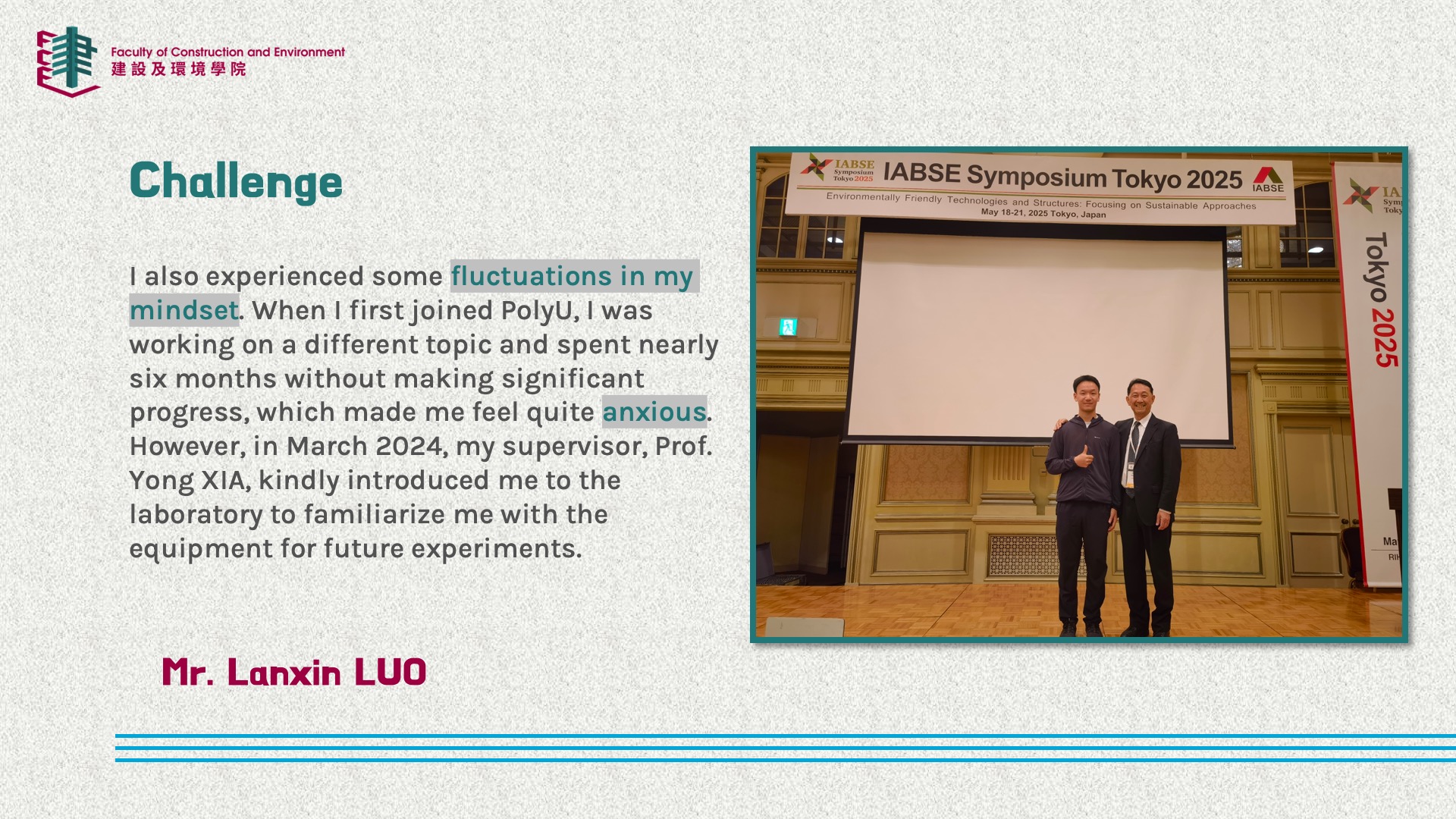
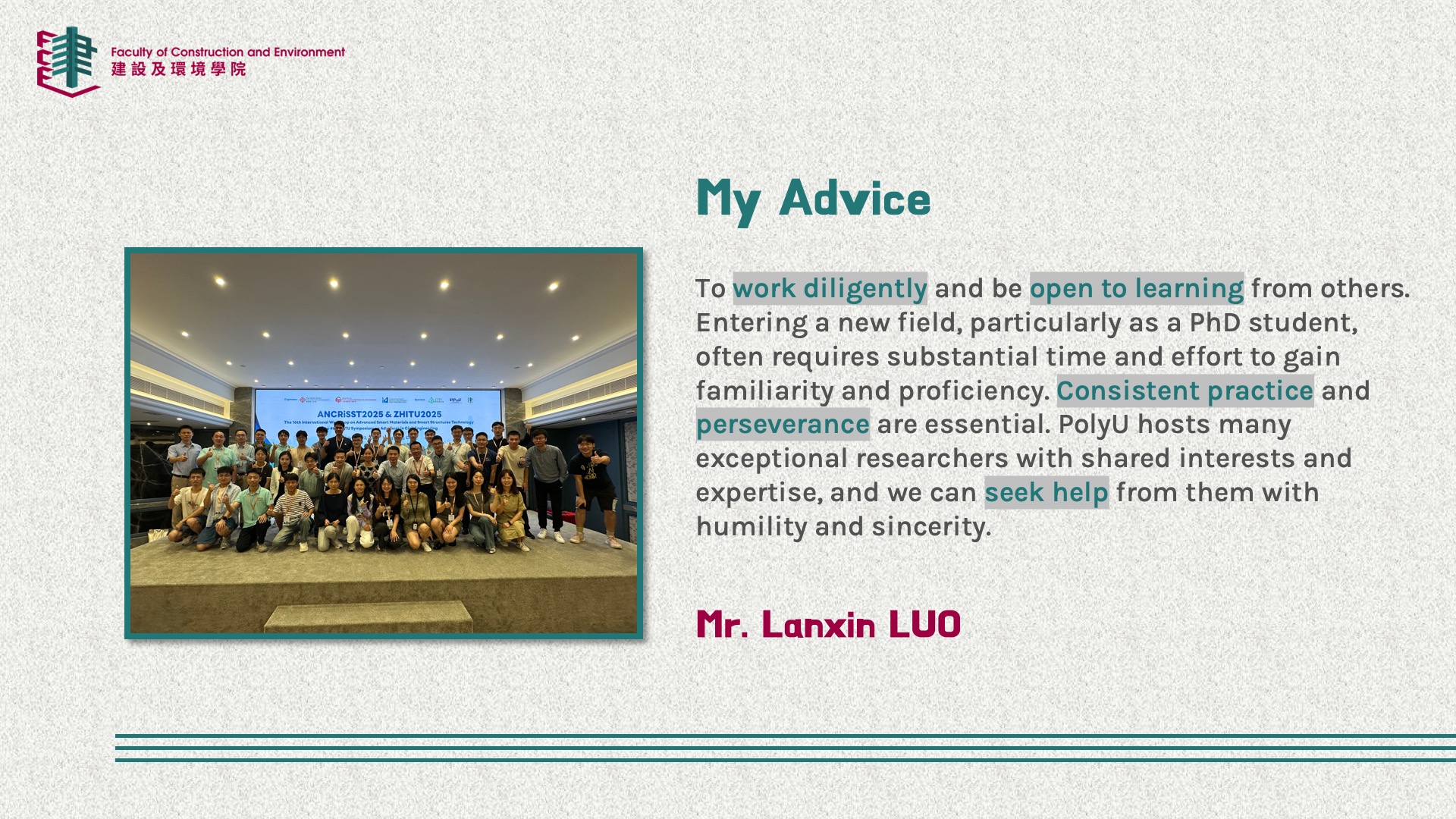
Presenting his work at the IABSE Symposium Tokyo 2025, he received the “Outstanding Young Engineer Contribution Award.” The encouragement from his mentors, peers, and PolyU’s resources, including a presentation course, played a crucial role in his progress. This journey not only enhanced his technical skills but also taught him the value of resilience and collaboration in research.
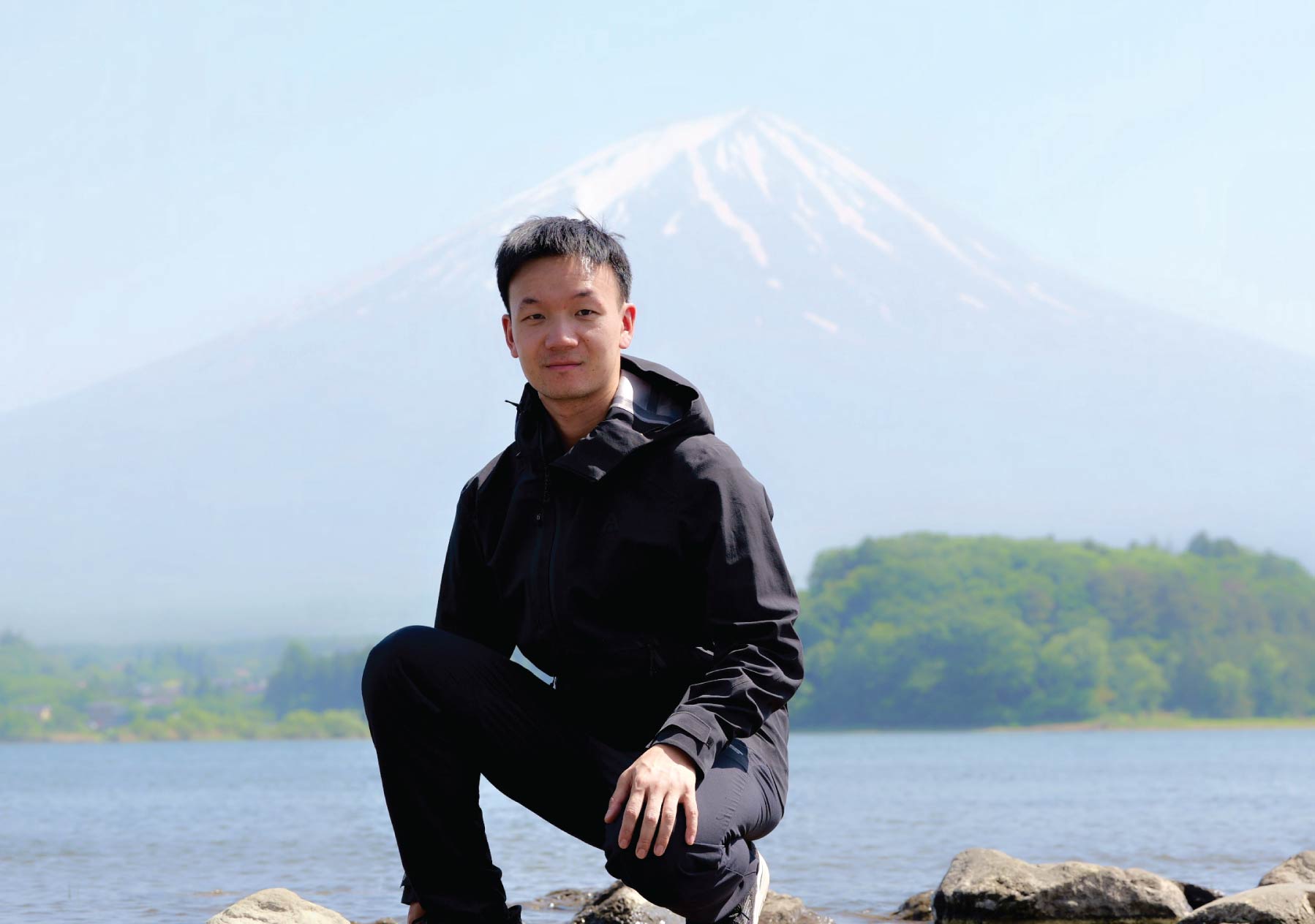
Mr. LUO Lanxin
Faculty of Construction and Environment
Department of Civil and Environmental Engineering
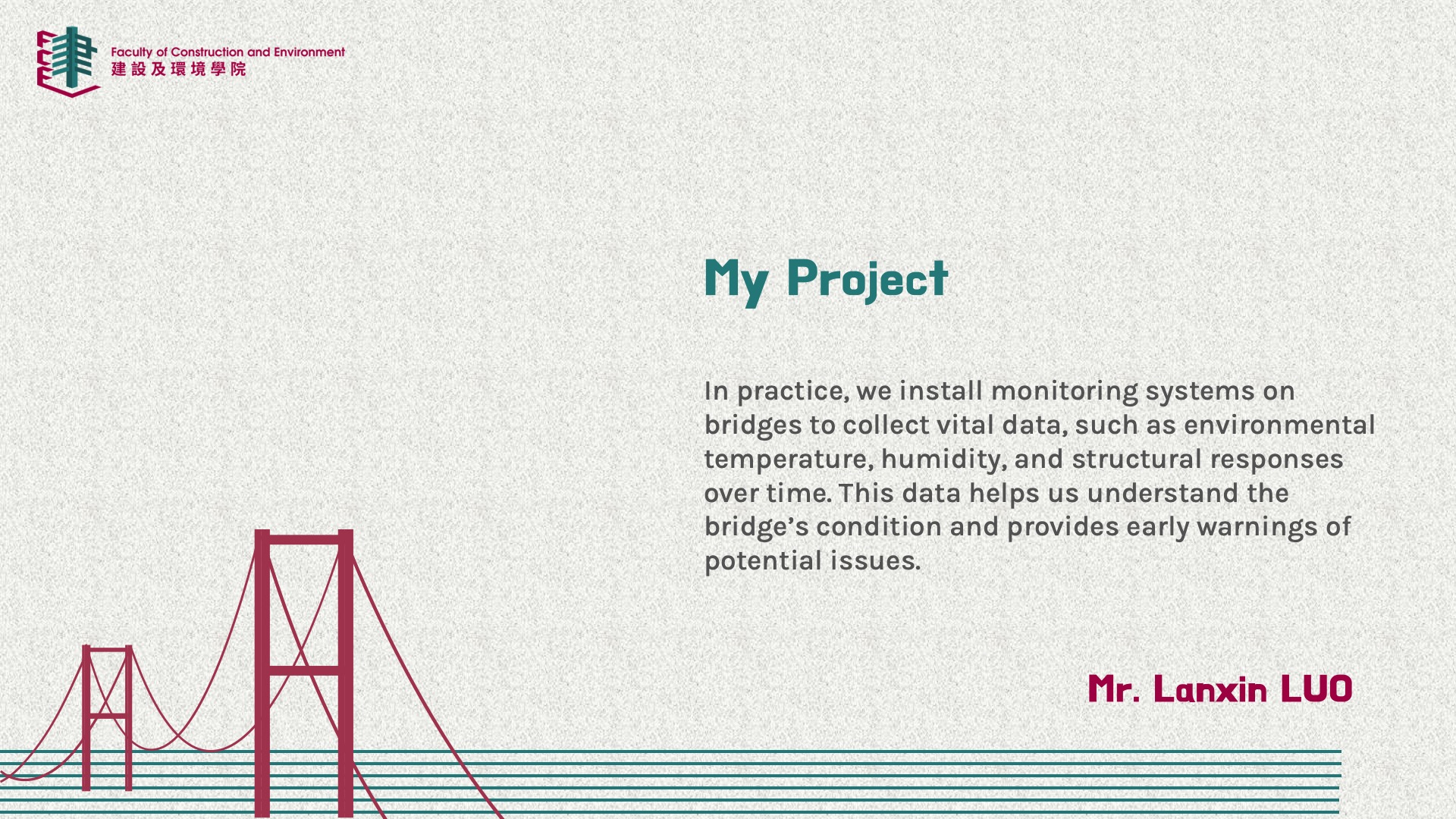
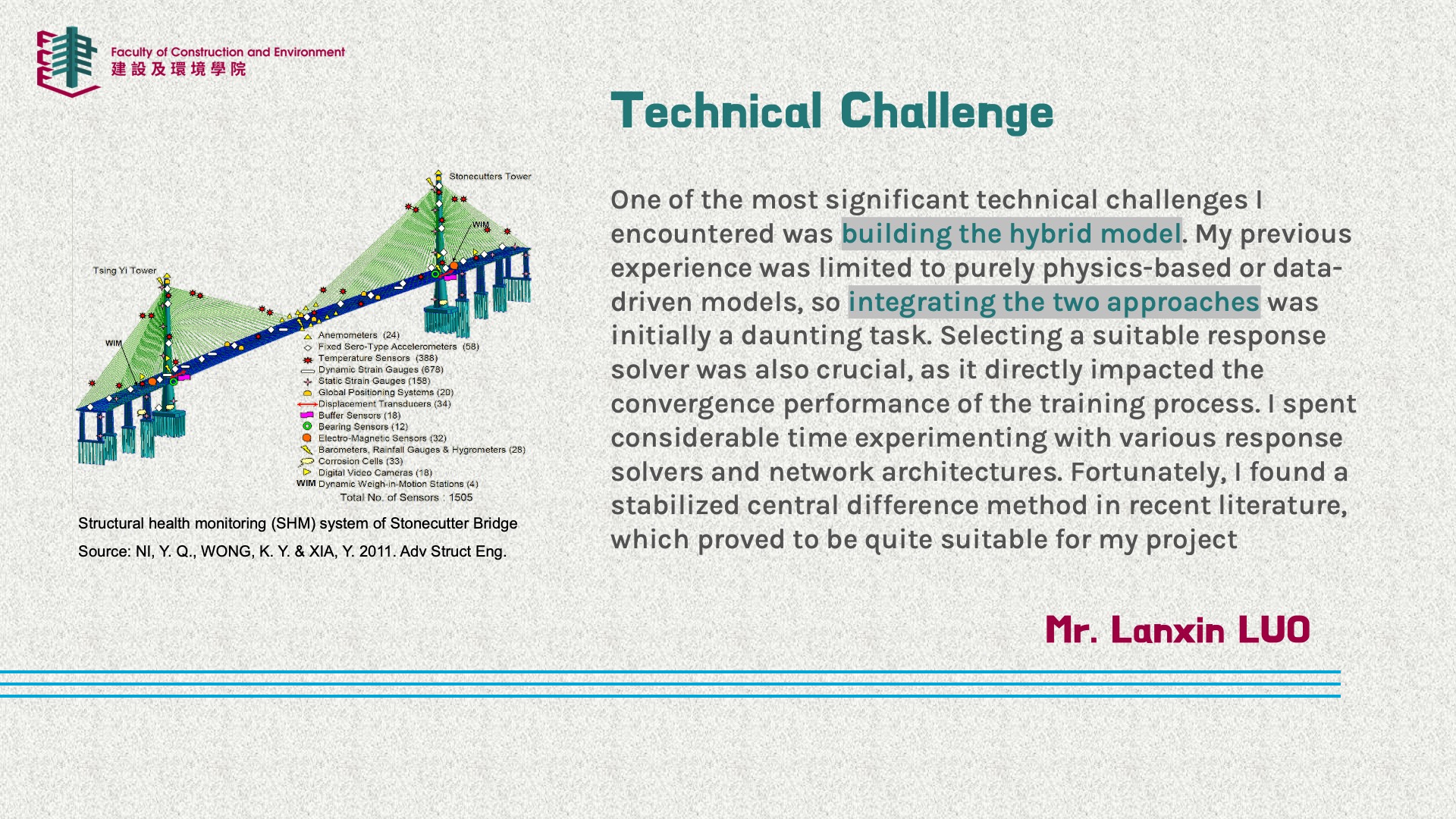
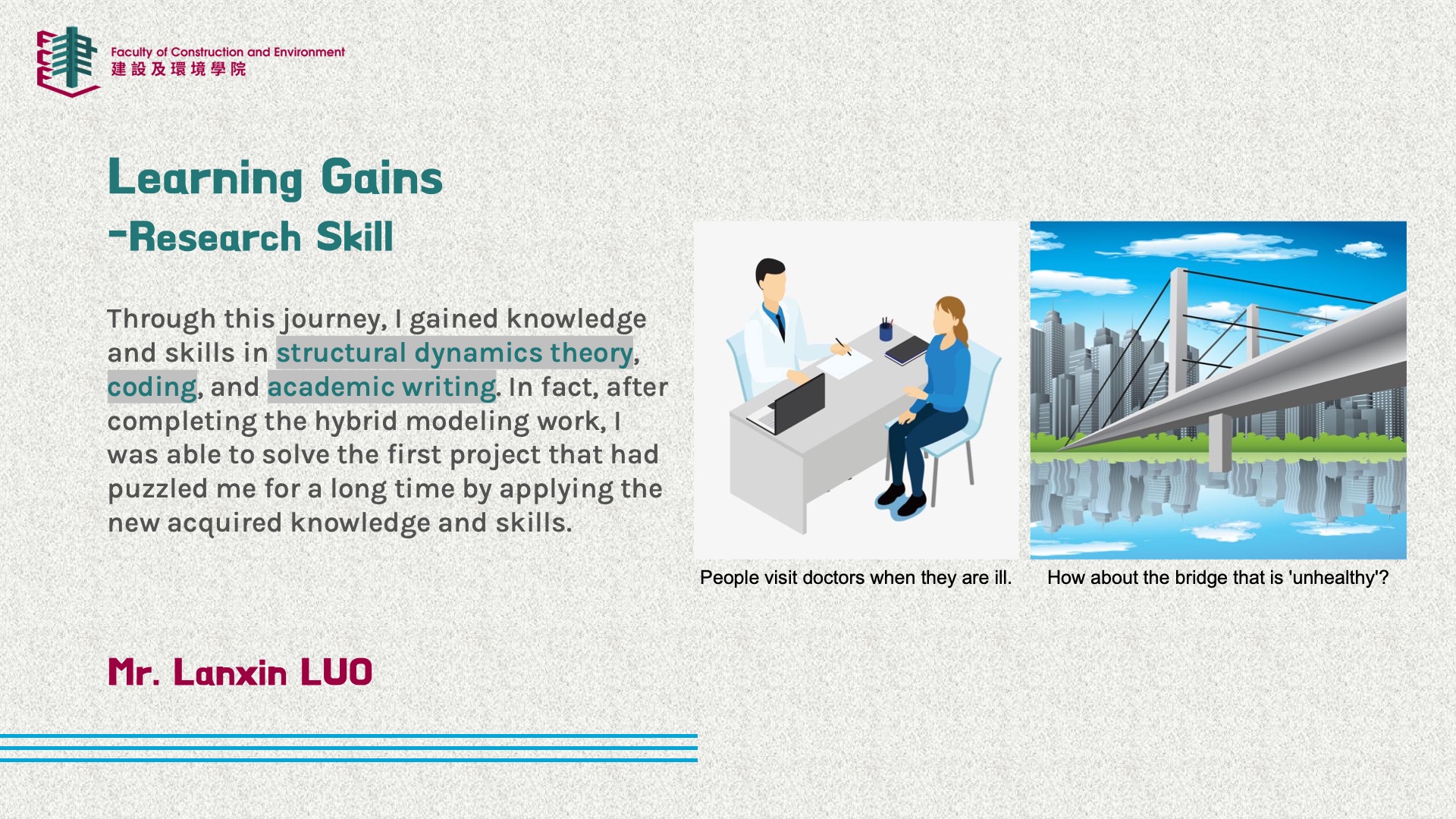
Lanxin learned that accurate mechanical models are fundamental for assessing the condition and safety of structures in construction. SHM involves continuous or periodic monitoring of structures (such as bridges and buildings) to detect damage, assess performance, and ensure longevity. Understanding SHM is crucial for modern construction, as it helps prevent failures and optimize maintenance.
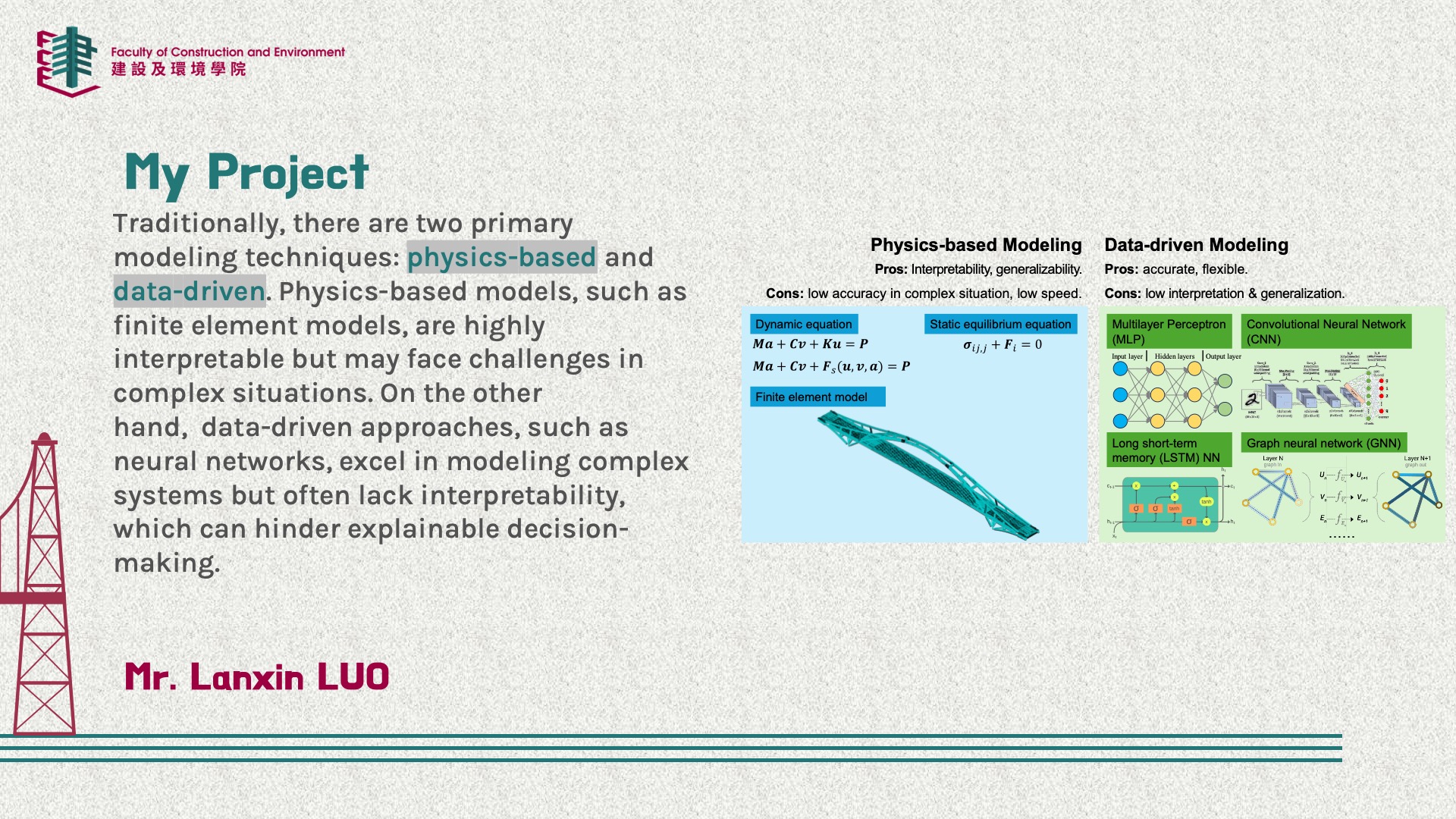
Lanxin gained expertise in physics-based modeling, particularly finite element models (FEM), which are widely used in construction to simulate the behavior of structures under various loads and conditions. FEM provides interpretable results and is essential for designing safe and reliable structures, although it can face limitations in complex or nonlinear scenarios.
Lanxin explored data-driven approaches, such as neural networks, which are increasingly used in construction for modeling complex systems where traditional physics-based models may fall short. Neural networks can learn patterns from large datasets, making them powerful for predicting structural responses, identifying anomalies, and optimizing construction processes, though they often lack interpretability.
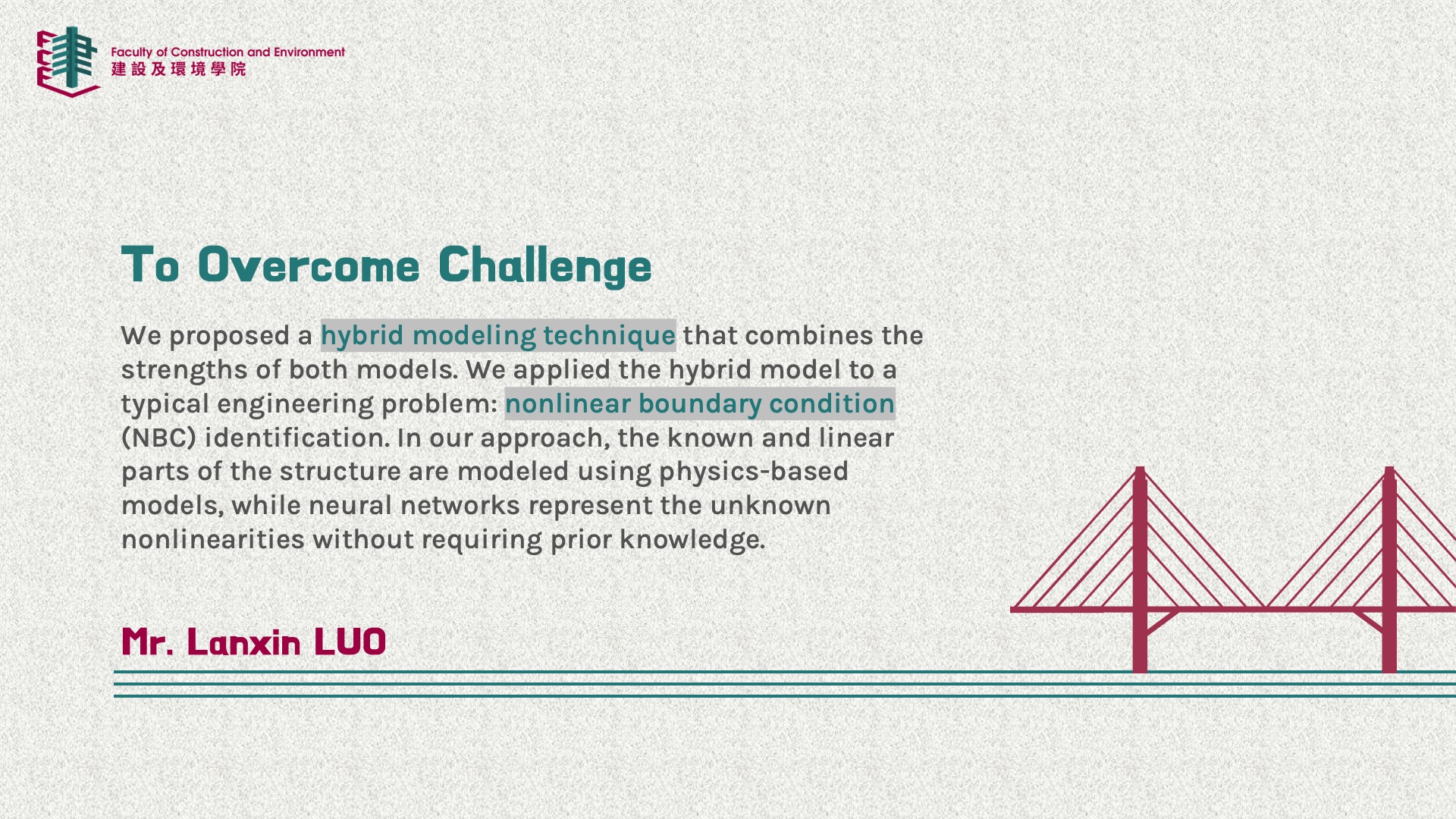
His research focused on hybrid modeling, which combines physics-based and data-driven methods to leverage the strengths of both. In construction, this approach is particularly valuable for identifying nonlinear boundary conditions—situations where the behavior of structural connections or supports is not straightforward. Hybrid modeling enables more accurate assessment and prediction of structural performance in real-world scenarios.
Lanxin developed knowledge in structural dynamics theory and experimented with various response solvers, such as the stabilized central difference method. Understanding structural dynamics is vital in construction for analyzing how structures respond to dynamic loads (e.g., wind, earthquakes, traffic). Selecting appropriate response solvers ensures accurate simulation and safe design of infrastructure.
Lanxin demonstrated adaptability by shifting her research focus when she realized her initial topic was not yielding progress. With encouragement from her supervisor, he embraced the new direction of hybrid modeling, which led to significant advancements. This openness to change and willingness to explore new areas is a vital lifelong skill, enabling individuals to thrive in dynamic environments.
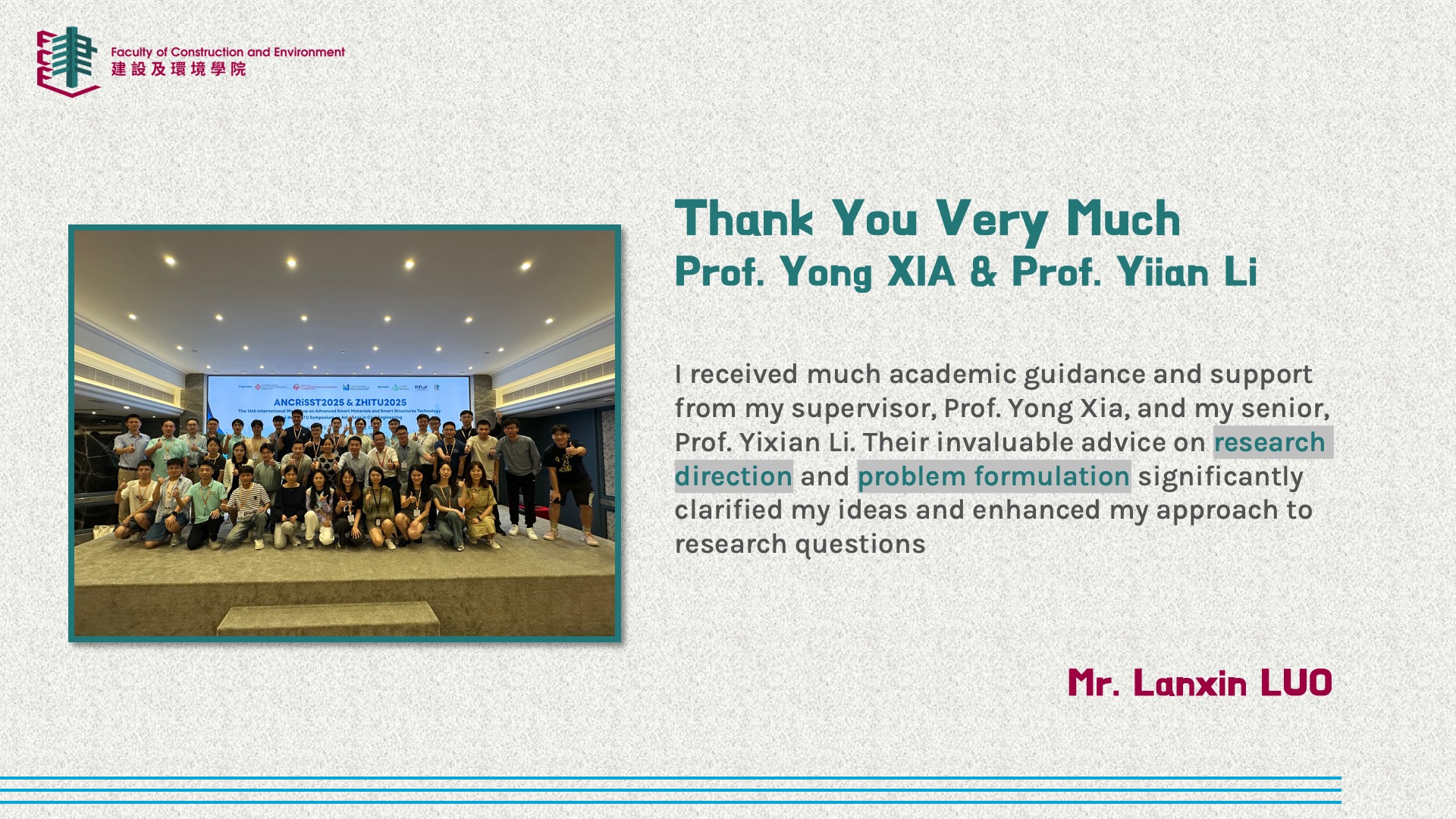
Lanxin actively sought advice and support from supervisors, seniors, and peers. He benefited from their feedback on research direction, problem formulation, and academic writing. Collaboration and the ability to seek and utilize guidance from others are crucial lifelong skills, fostering learning, innovation, and personal development.
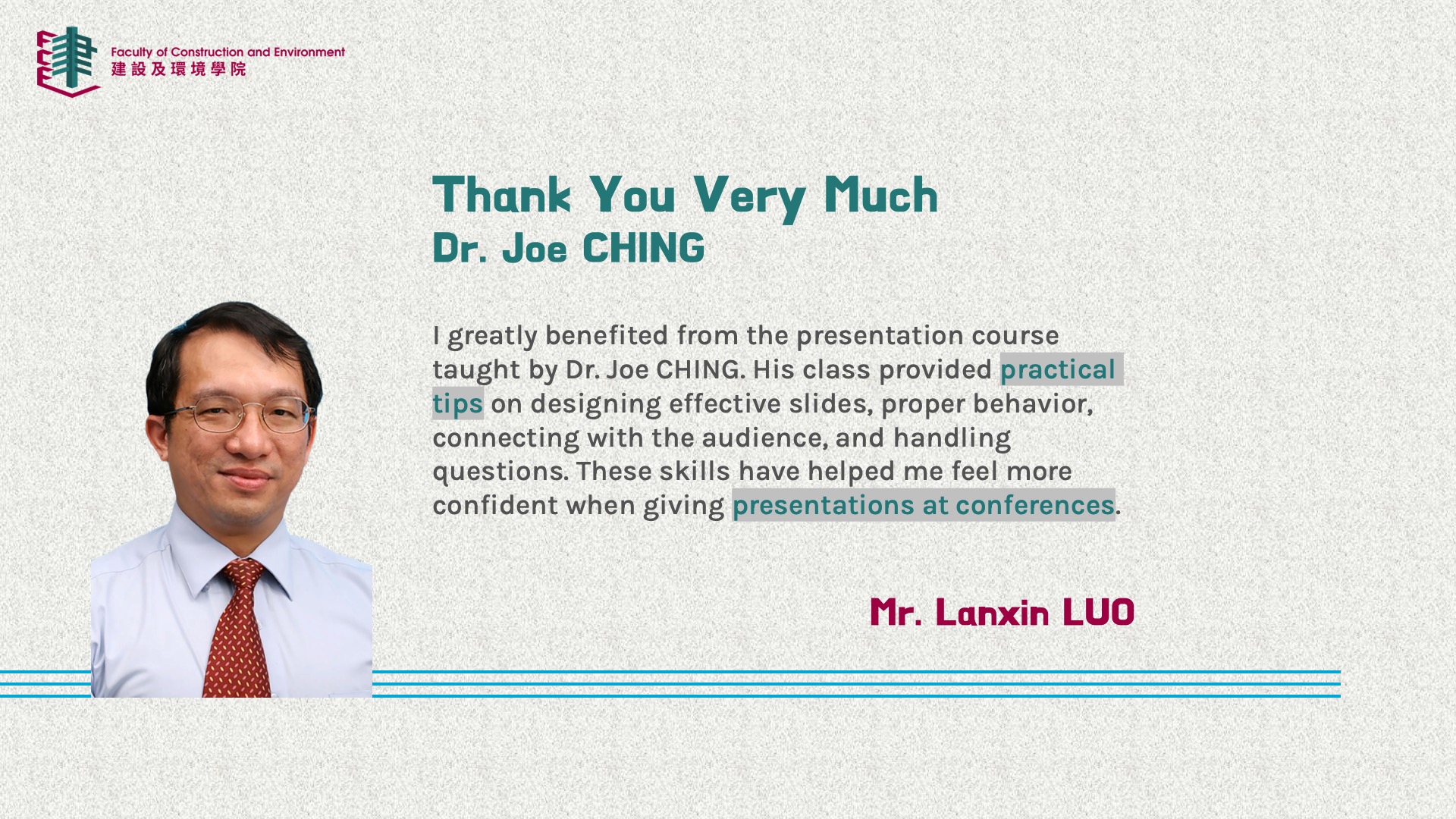
Through academic writing and presentation courses, Lanxin improved her ability to communicate complex ideas clearly and confidently. He learned to design effective slides, connect with audiences, and handle questions during conferences. Strong communication and presentation skills are invaluable for sharing knowledge, influencing others, and advancing professionally.
Lanxin persisted through technical hurdles, such as integrating physics-based and data-driven models and selecting suitable response solvers. He experimented with different approaches, learned from literature, and applied new methods to overcome obstacles. Perseverance and problem-solving are key lifelong skills that drive progress and innovation in any field.
The pursuit of knowledge is a lifelong journey! To further expand your knowledge and continue your personal and professional growth. Click and explore the following learning resources: